 EN
EN

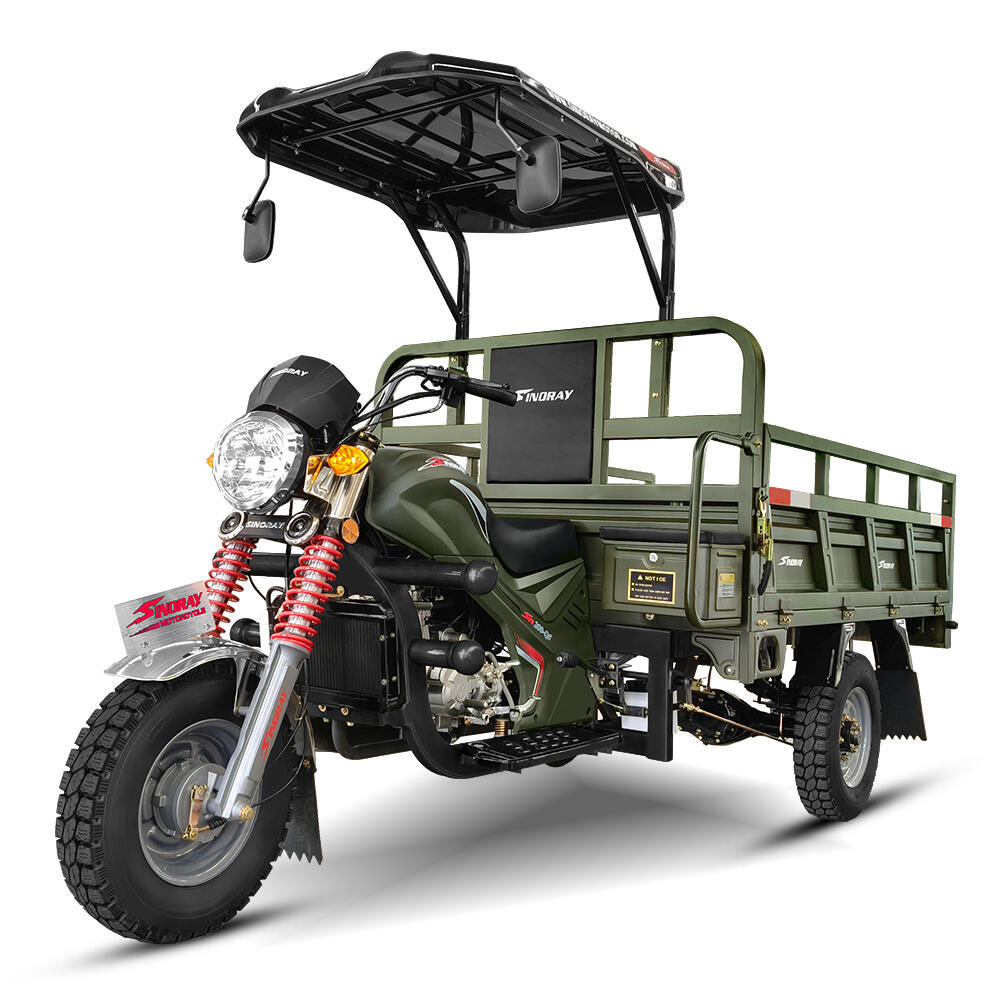
A cargo tricycle with 1000-1500kg payload capacity represents a transformative solution for last-mile delivery challenges that traditional delivery vehicles simply cannot address effectively. This specialized three-wheeled vehicle combines the maneuverability of a bicycle with the carrying capacity needed for serious commercial operations, offering businesses a practical alternative that can navigate crowded urban environments while maintaining substantial cargo capacity. The 200kg payload threshold specifically positions these vehicles as genuine commercial tools rather than lightweight alternatives, enabling delivery businesses to handle multiple orders, bulk items, and diverse package sizes in a single trip.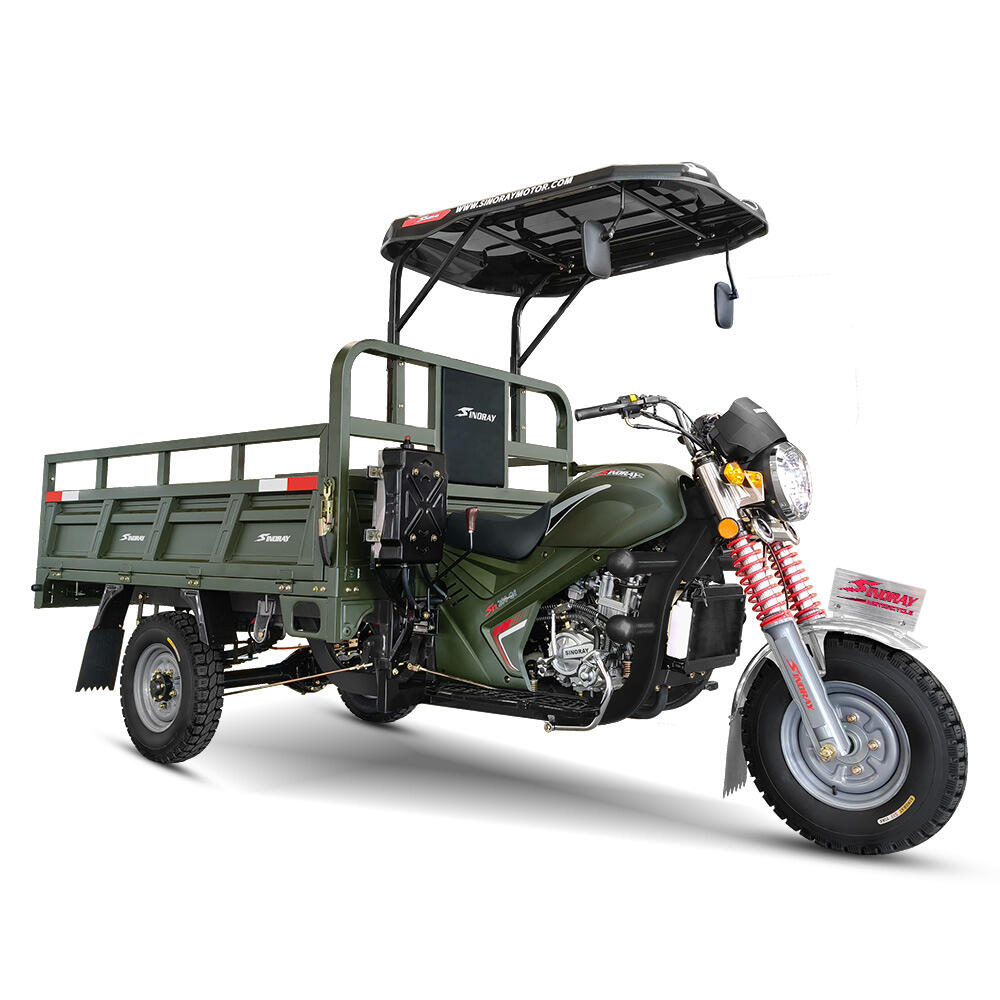
The transformation potential of integrating a cargo tricycle into your delivery operations extends far beyond simple vehicle substitution. These vehicles fundamentally reshape delivery economics by reducing operational costs, expanding delivery territories, and improving customer satisfaction through faster, more flexible service. With rising fuel costs, increasing urban congestion, and growing environmental consciousness among consumers, the cargo tricycle emerges as a strategic business investment that addresses multiple operational challenges simultaneously while positioning your delivery business for sustainable growth in competitive markets.
Operational Cost Revolution Through Cargo Tricycle Implementation
Fuel and Energy Cost Transformation
The most immediate transformation a cargo tricycle brings to your delivery business involves dramatic operational cost reduction, particularly in fuel and energy expenses. Electric cargo tricycles eliminate fuel costs entirely, while pedal-assisted models require minimal energy input compared to traditional delivery vehicles. This cost advantage becomes increasingly significant as fuel prices fluctuate and energy costs continue rising across global markets.
Beyond direct fuel savings, cargo tricycle operations eliminate many hidden costs associated with traditional delivery vehicles. Maintenance requirements are substantially lower due to simpler mechanical systems, fewer moving parts, and reduced wear from stop-and-go urban driving conditions. The 200kg payload capacity ensures that these maintenance savings don't come at the expense of carrying capacity, maintaining commercial viability while reducing operational overhead.
Insurance costs for cargo tricycle operations typically run significantly lower than traditional delivery vehicle coverage. The reduced speed capabilities and enhanced stability of three-wheeled designs result in lower risk profiles from insurance perspectives, translating to substantial annual savings that compound over time to improve business profitability and cash flow management.
Licensing and Regulatory Cost Benefits
Commercial licensing requirements for cargo tricycle operations often prove less stringent and expensive than traditional delivery vehicle permits. Many jurisdictions classify these vehicles under bicycle or light electric vehicle categories, reducing licensing fees, registration costs, and regulatory compliance expenses. This regulatory advantage allows delivery businesses to expand their fleets more affordably while maintaining legal compliance across different operational territories.
The reduced regulatory burden extends to driver qualification requirements, where cargo tricycle operators often need minimal additional training compared to commercial vehicle licenses. This accessibility enables businesses to recruit drivers more easily, reduce training costs, and maintain operational flexibility when scaling delivery operations to meet growing demand.
Urban Accessibility and Market Expansion Opportunities
Navigating Restricted Urban Zones
Cargo tricycle deployment transforms market accessibility by enabling deliveries in areas where traditional vehicles face significant restrictions or prohibitions. Many urban centers implement vehicle restriction zones, congestion charges, or size limitations that effectively exclude larger delivery vehicles during peak hours or in specific neighborhoods. The compact footprint and alternative vehicle classification of cargo tricycles often allow continued operation in these restricted areas, maintaining service continuity where competitors cannot operate.
Pedestrian zones, historic districts, and environmentally sensitive areas frequently welcome cargo tricycle operations while restricting motorized vehicles. This regulatory advantage creates unique market opportunities for delivery businesses, allowing them to serve high-value urban customers who may be underserved by traditional delivery models. The 200kg capacity ensures these opportunities remain commercially viable rather than token gestures toward alternative transportation.
Parking advantages in dense urban environments represent another significant accessibility transformation. Cargo tricycles require minimal parking space and can often utilize bicycle parking areas or compact loading zones unavailable to larger vehicles. This parking efficiency reduces delivery time per stop, increases daily delivery capacity, and eliminates parking fees that erode profitability in expensive urban markets.
Expanding Service Radius and Frequency
The operational flexibility of cargo tricycles enables delivery businesses to expand service territories previously considered uneconomical with traditional vehicles. Routes that involve significant traffic congestion, narrow streets, or frequent stops become profitable when served by maneuverable three-wheeled vehicles that can maintain consistent progress regardless of traffic conditions.
Higher delivery frequency becomes economically viable with cargo tricycle operations, as the lower operational costs allow businesses to offer same-day or multiple daily deliveries without pricing themselves out of competitive markets. This increased service frequency creates competitive advantages and higher customer satisfaction levels that drive business growth and market share expansion.
Customer Experience Enhancement and Service Differentiation
Delivery Speed and Reliability Improvements
Customer experience transformation through cargo tricycle implementation manifests most clearly in improved delivery speed and reliability. These vehicles excel in congested urban environments where traditional delivery trucks become trapped in traffic, enabling consistent delivery windows that build customer confidence and satisfaction. The ability to navigate through narrow spaces and utilize alternative routes ensures delivery schedules remain predictable regardless of traffic conditions.
The reduced noise profile of cargo tricycles, particularly electric models, enables deliveries during extended hours without disturbing residential neighborhoods. This quiet operation expands potential delivery windows, accommodating customers who prefer early morning or evening deliveries while maintaining positive community relations that support long-term business sustainability.
Direct customer interaction improves significantly with cargo tricycle deliveries, as drivers can easily communicate with recipients, provide package handling instructions, and address delivery concerns without the barriers created by large vehicle designs. This enhanced interaction quality builds customer relationships and reduces delivery complications that impact satisfaction scores.
Environmental Positioning and Brand Value
Cargo tricycle adoption positions delivery businesses as environmentally conscious operators, appealing to increasingly eco-aware consumer segments. This environmental differentiation creates marketing advantages and brand value that extend beyond operational benefits, attracting customers who prioritize sustainable business practices in their purchasing decisions.
The visible commitment to alternative transportation solutions through cargo tricycle deployment generates positive community relations and potential partnerships with environmentally focused organizations. These relationships can lead to preferred vendor status, exclusive delivery contracts, and collaborative marketing opportunities that expand business reach beyond traditional commercial relationships.
Scalability and Business Growth Acceleration
Fleet Expansion Economics
The lower capital requirements for cargo tricycle acquisition enable faster fleet expansion compared to traditional delivery vehicles. Businesses can add delivery capacity more readily as demand grows, without the substantial financial commitments associated with truck or van purchases. This scalability advantage allows delivery companies to respond quickly to market opportunities and seasonal demand fluctuations.
Cargo tricycle operations support distributed hub models where multiple smaller vehicles operate from neighborhood-based locations rather than centralized depots. This distributed approach reduces delivery distances, improves response times, and creates opportunities for local partnerships that strengthen market position while reducing operational complexity.
The 200kg payload capacity ensures that fleet scaling maintains commercial viability, allowing businesses to handle increased order volumes without sacrificing efficiency. This capacity threshold supports diverse delivery types, from multiple small packages to single larger items, maintaining operational flexibility as customer demands evolve.
Competitive Positioning and Market Differentiation
Early adoption of cargo tricycle technology creates competitive advantages through service differentiation that larger competitors may struggle to replicate quickly. The agility advantages of three-wheeled delivery vehicles become barriers to competitive entry, particularly in dense urban markets where maneuverability provides substantial operational benefits.
Innovation positioning through cargo tricycle deployment attracts customers seeking cutting-edge delivery solutions and positions businesses as forward-thinking operators. This innovation reputation can lead to pilot programs with major clients, exclusive partnerships, and premium pricing opportunities that accelerate business growth beyond basic operational improvements.
FAQ
What types of businesses benefit most from 200kg cargo tricycle implementation?
Businesses that benefit most include urban food delivery services, pharmaceutical distribution companies, e-commerce last-mile providers, document and small package couriers, and local retail delivery operations. The 200kg capacity particularly suits businesses handling multiple small-to-medium packages per route or single larger items that still fall within the weight threshold, making it ideal for diverse urban delivery scenarios.
How does weather affect cargo tricycle delivery operations and business continuity?
Modern cargo tricycles designed for commercial use typically include weather protection features such as enclosed cargo compartments and driver shelters that maintain operational capability in most weather conditions. While extreme weather may require temporary operational adjustments, the overall impact on business continuity is generally less than might be expected, and many operators find that proper equipment selection and driver preparation enable year-round operations with minimal service disruption.
What maintenance requirements should businesses expect with cargo tricycle fleets?
Cargo tricycle maintenance requirements are generally less complex and expensive than traditional delivery vehicles, focusing primarily on tire replacement, brake system maintenance, battery care for electric models, and basic mechanical adjustments. Most maintenance tasks can be performed by general bicycle mechanics or trained in-house staff, reducing dependency on specialized automotive service providers and lowering long-term operational costs.
How quickly can delivery businesses expect to see ROI from cargo tricycle investments?
ROI timelines typically range from 12 to 24 months depending on operational scale, route density, and local market conditions. Businesses serving high-density urban areas with frequent deliveries often see faster returns due to fuel savings, reduced parking costs, and increased delivery efficiency, while operations in less dense areas may require longer periods to realize full financial benefits but still achieve positive returns within reasonable timeframes.
Table of Contents
- Operational Cost Revolution Through Cargo Tricycle Implementation
- Urban Accessibility and Market Expansion Opportunities
- Customer Experience Enhancement and Service Differentiation
- Scalability and Business Growth Acceleration
-
FAQ
- What types of businesses benefit most from 200kg cargo tricycle implementation?
- How does weather affect cargo tricycle delivery operations and business continuity?
- What maintenance requirements should businesses expect with cargo tricycle fleets?
- How quickly can delivery businesses expect to see ROI from cargo tricycle investments?