 EN
EN

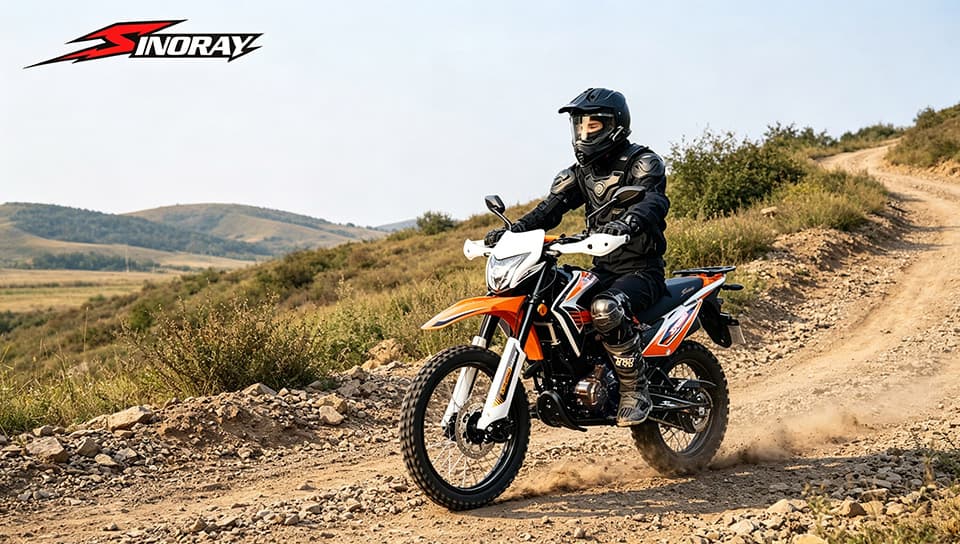
Modern offroad riding demands motorcycles that can navigate challenging terrain with agility and precision. The relationship between weight and performance becomes increasingly critical as riders push their machines through rocky trails, steep climbs, and technical obstacles. A lightweight offroad motorcycle offers distinct advantages that can make the difference between conquering difficult terrain and struggling with cumbersome equipment. Understanding how weight reduction impacts every aspect of offroad performance helps riders make informed decisions when selecting their next adventure machine.
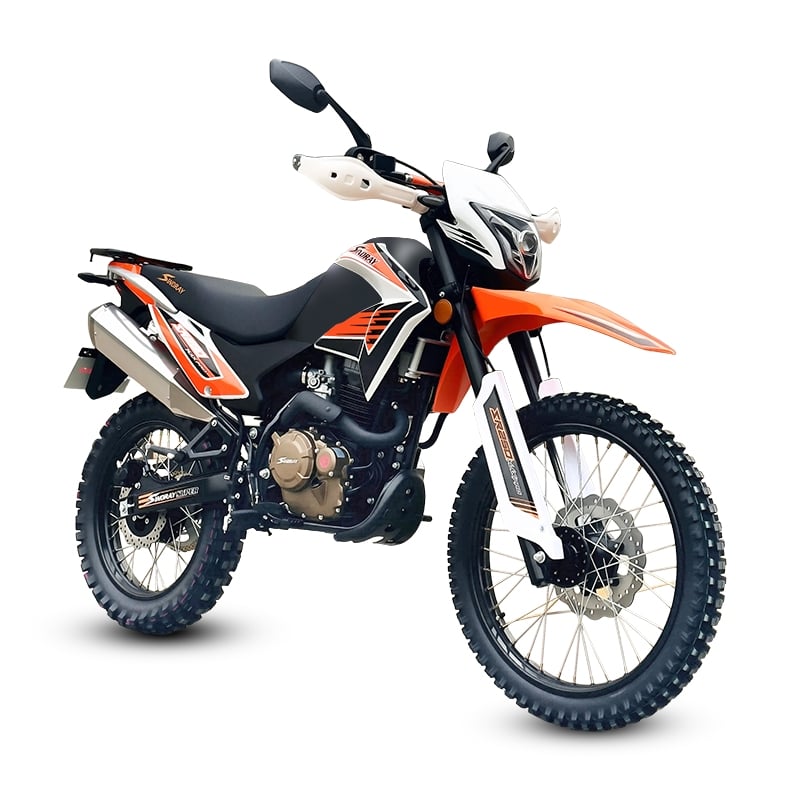
Fundamental Physics of Weight in Offroad Performance
Newton's Laws Applied to Trail Riding
The fundamental physics governing motorcycle performance directly correlates with mass and acceleration principles. When a lightweight offroad motorcycle encounters obstacles, the reduced mass allows for quicker directional changes and improved responsiveness to rider input. Lower overall weight decreases the inertial forces that resist acceleration, enabling faster speed transitions during technical maneuvers. This physical advantage becomes particularly pronounced when navigating tight switchbacks or sudden elevation changes where momentum management is crucial.
Gravitational forces affect heavier motorcycles more severely during climbs and descents. A lightweight design requires less engine power to overcome gravitational pull on steep inclines, allowing riders to maintain momentum through challenging sections. The reduced gravitational impact also improves braking effectiveness on downhill sections, as less kinetic energy needs to be dissipated through the braking system.
Power-to-Weight Ratio Optimization
The power-to-weight ratio serves as a critical performance metric for offroad motorcycles. Even with moderate engine output, a lightweight offroad motorcycle can achieve impressive acceleration and climbing ability through optimized mass distribution. This ratio directly influences the machine's ability to clear obstacles, accelerate out of corners, and maintain speed through loose terrain where traction is limited.
Modern lightweight designs often sacrifice some raw power for overall performance gains through weight reduction. Engineers focus on creating efficient powerplants that deliver adequate performance while minimizing mass additions to the chassis. This approach results in motorcycles that feel more responsive and engaging to ride, even when peak horsepower numbers might appear modest compared to heavier alternatives.
Handling Characteristics and Rider Control
Maneuverability in Technical Terrain
Technical offroad sections require precise bike placement and quick directional adjustments that favor lighter machines. A lightweight offroad motorcycle responds more readily to subtle weight shifts and steering inputs, allowing experienced riders to navigate narrow trail sections with greater confidence. The reduced mass makes it easier to lift the front wheel over obstacles or adjust line choice mid-corner when trail conditions change unexpectedly.
Rock gardens and root sections particularly showcase the advantages of reduced weight in handling characteristics. Lighter motorcycles can be more easily guided between obstacles, and their reduced momentum makes it safer to attempt aggressive line choices. The improved maneuverability also reduces rider fatigue, as less physical effort is required to control the machine through demanding terrain.
Suspension Performance and Weight Distribution
Suspension systems on lightweight motorcycles can focus on optimizing travel and damping characteristics rather than simply supporting excessive mass. Reduced unsprung weight improves suspension responsiveness, allowing the wheels to maintain better ground contact over rough surfaces. This enhanced contact translates to improved traction and more predictable handling characteristics across varying terrain conditions.
The weight distribution of a lightweight offroad motorcycle typically favors better balance between front and rear axles. This balanced approach improves stability during aggressive riding while maintaining the agility needed for technical sections. Proper weight distribution also reduces the likelihood of the rear wheel spinning or the front wheel washing out during acceleration or braking events.
Durability and Maintenance Considerations
Reduced Stress on Components
Lower overall weight reduces stress on critical components throughout the motorcycle's systems. Drive components, including chains, sprockets, and transmission elements, experience less loading during acceleration and deceleration cycles. This reduced stress typically translates to extended component life and lower maintenance requirements over the motorcycle's service life. Frame and suspension components also benefit from reduced loading, potentially extending their durability in demanding offroad conditions.
Brake systems on lightweight motorcycles can utilize smaller, lighter components while maintaining adequate stopping power. The reduced kinetic energy during braking events means that brake pads and rotors experience less thermal stress, potentially extending their service intervals. This weight-related advantage compounds over time, reducing both maintenance costs and the frequency of component replacements.
Material Engineering and Construction Methods
Modern lightweight offroad motorcycle construction employs advanced materials and manufacturing techniques to achieve weight reduction without compromising strength. Aluminum frames, carbon fiber components, and high-strength steel alloys enable engineers to remove mass while maintaining structural integrity. These material choices often result in components that are both lighter and more durable than traditional alternatives.
The manufacturing precision required for lightweight construction often results in tighter tolerances and improved quality control. Components designed for weight optimization typically receive enhanced engineering attention, leading to more reliable performance over extended periods. This attention to detail in lightweight design often produces motorcycles that require less frequent maintenance and demonstrate improved long-term reliability.
Fuel Efficiency and Range Benefits
Consumption Patterns in Offroad Riding
A lightweight offroad motorcycle demonstrates improved fuel efficiency across various riding conditions compared to heavier alternatives. The reduced mass requires less energy to accelerate and maintain speed, directly translating to lower fuel consumption during extended trail rides. This efficiency advantage becomes particularly valuable during long-distance adventures where fuel availability may be limited.
Engine loading patterns differ significantly between lightweight and heavy motorcycles during offroad riding. Lighter machines typically operate at lower engine loads during cruising, allowing the powerplant to operate in more efficient RPM ranges. This operational advantage extends riding range while reducing the frequency of fuel stops during multi-day adventures.
Carrying Capacity and Payload Management
The weight savings achieved through lightweight design can be allocated to carrying additional fuel, tools, or camping equipment without exceeding optimal total weight limits. This flexibility allows riders to extend their range and self-sufficiency while maintaining the performance advantages of a lighter base machine. Strategic payload management becomes easier when starting with a fundamentally lighter platform.
Lightweight motorcycles typically maintain better handling characteristics when loaded with gear compared to heavier base machines. The improved power-to-weight ratio helps offset the performance impact of additional cargo, maintaining acceptable acceleration and climbing ability even when fully loaded for extended adventures.
Rider Fatigue and Ergonomic Advantages
Physical Demands of Offroad Riding
Extended offroad riding places significant physical demands on riders, particularly during technical sections requiring active bike control. A lightweight offroad motorcycle reduces the physical effort needed to maneuver through challenging terrain, allowing riders to maintain peak performance for longer periods. The reduced mass makes it easier to shift body weight and maintain proper riding position during demanding trail sections.
Picking up a dropped motorcycle becomes significantly easier with lightweight designs, reducing the physical strain and potential injury risk associated with offroad riding mishaps. This practical advantage can be crucial during solo rides in remote areas where assistance might not be readily available. The confidence gained from knowing the machine is manageable in emergency situations often translates to more aggressive and enjoyable riding.
Long-Distance Comfort and Endurance
Multi-day adventure riding benefits substantially from lightweight motorcycle design through reduced rider fatigue accumulation. The decreased physical effort required for bike control allows riders to maintain concentration and decision-making ability throughout long riding days. This endurance advantage often proves decisive during challenging multi-day events or self-supported adventure tours.
The ergonomic advantages of lightweight design extend beyond simple mass reduction to include improved balance and control precision. Riders report feeling more connected to lightweight motorcycles, enabling better feedback interpretation and more confident decision-making in challenging conditions. This enhanced connection often results in improved riding technique development and greater overall enjoyment of the offroad experience.
Competitive Performance Applications
Racing Advantages and Track Performance
Competitive offroad racing heavily favors lightweight motorcycle designs across multiple disciplines. Motocross, enduro, and hare scrambles events all demonstrate clear advantages for lighter machines in terms of lap times and overall performance. The ability to accelerate quickly out of corners and maintain higher average speeds through technical sections provides measurable competitive advantages.
Professional riders consistently choose lightweight platforms for competitive applications, understanding that weight reduction often provides more significant performance gains than raw power increases. The improved agility and responsiveness of a lightweight offroad motorcycle enable more aggressive riding techniques and faster line choices through challenging course sections.
Training and Skill Development Benefits
Learning proper offroad riding techniques becomes easier on lightweight motorcycles due to their more forgiving handling characteristics and reduced consequences of mistakes. New riders can develop confidence more quickly when they can easily control and recover their machine during the learning process. The reduced physical demands also allow novice riders to focus on technique development rather than simply fighting to control a heavy machine.
Advanced riders benefit from lightweight designs when practicing new techniques or pushing performance boundaries. The enhanced feedback and control precision enable more accurate assessment of riding limits and technique effectiveness. This advantage accelerates skill development and allows experienced riders to explore more advanced riding techniques with reduced risk.
FAQ
What weight range defines a lightweight offroad motorcycle
A lightweight offroad motorcycle typically weighs between 220-280 pounds when fully fueled and ready to ride. This range provides optimal balance between structural integrity and performance advantages while remaining manageable for most riders across various skill levels and physical capabilities.
How does lightweight design affect motorcycle durability in harsh conditions
Modern lightweight offroad motorcycles use advanced materials and engineering techniques that often improve durability compared to heavier alternatives. The reduced stress on components from lower mass typically extends service life, while high-strength materials provide adequate protection against impact and environmental damage.
Can lightweight motorcycles carry adequate gear for long adventures
Yes, lightweight motorcycles can carry sufficient gear for extended adventures when properly equipped with quality luggage systems. The weight savings from the base machine allows for additional cargo capacity while maintaining acceptable total weight limits and preserving handling characteristics essential for offroad performance.
Do lightweight motorcycles require different maintenance approaches
Lightweight offroad motorcycles typically require similar maintenance intervals to heavier machines but often experience reduced component wear due to lower operating stresses. Some lightweight-specific components may require specialized tools or techniques, but overall maintenance complexity remains comparable to traditional offroad motorcycles.