 EN
EN

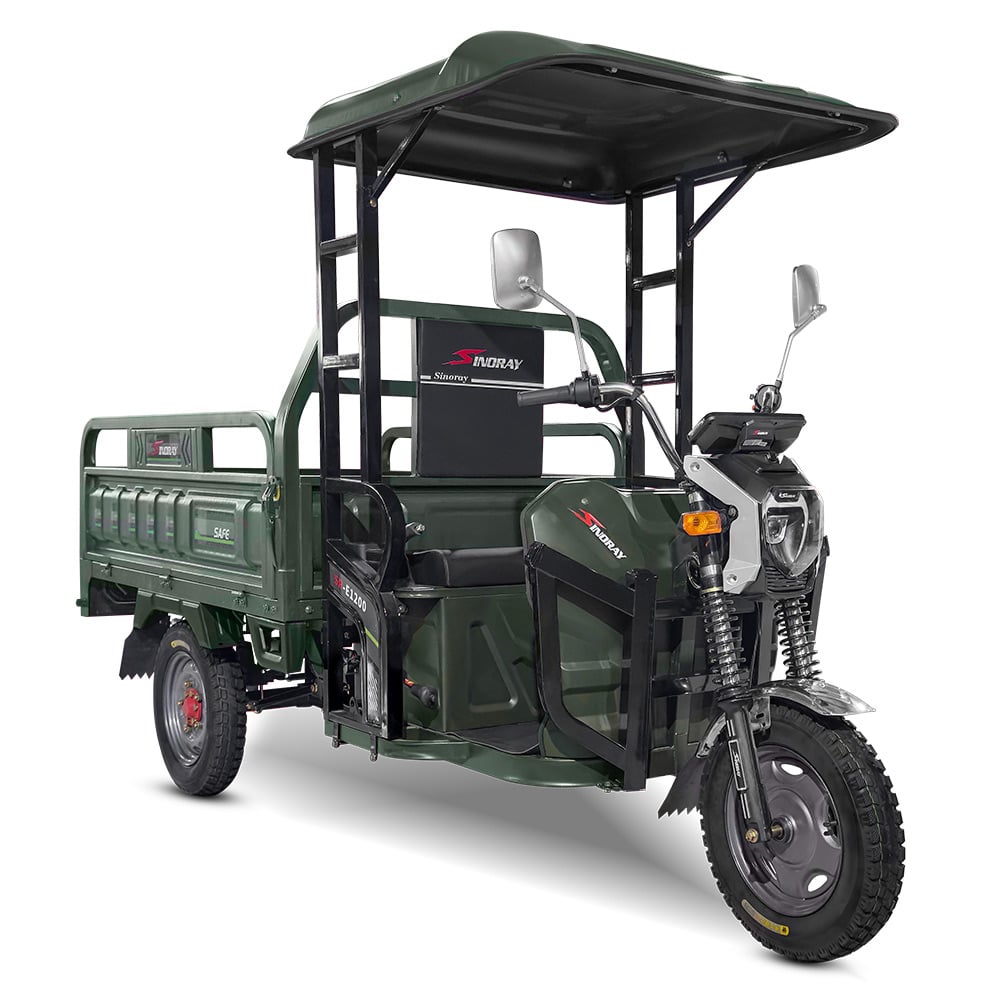
Electric motorcycles represent the future of sustainable transportation, offering riders an eco-friendly alternative to traditional gasoline-powered bikes. As the popularity of electric motorcycles continues to surge worldwide, understanding proper maintenance becomes crucial for maximizing performance, extending battery life, and ensuring rider safety. Unlike conventional motorcycles that rely on complex internal combustion engines, electric motorcycle maintenance focuses primarily on electrical components, battery care, and mechanical systems that support the electric drivetrain.
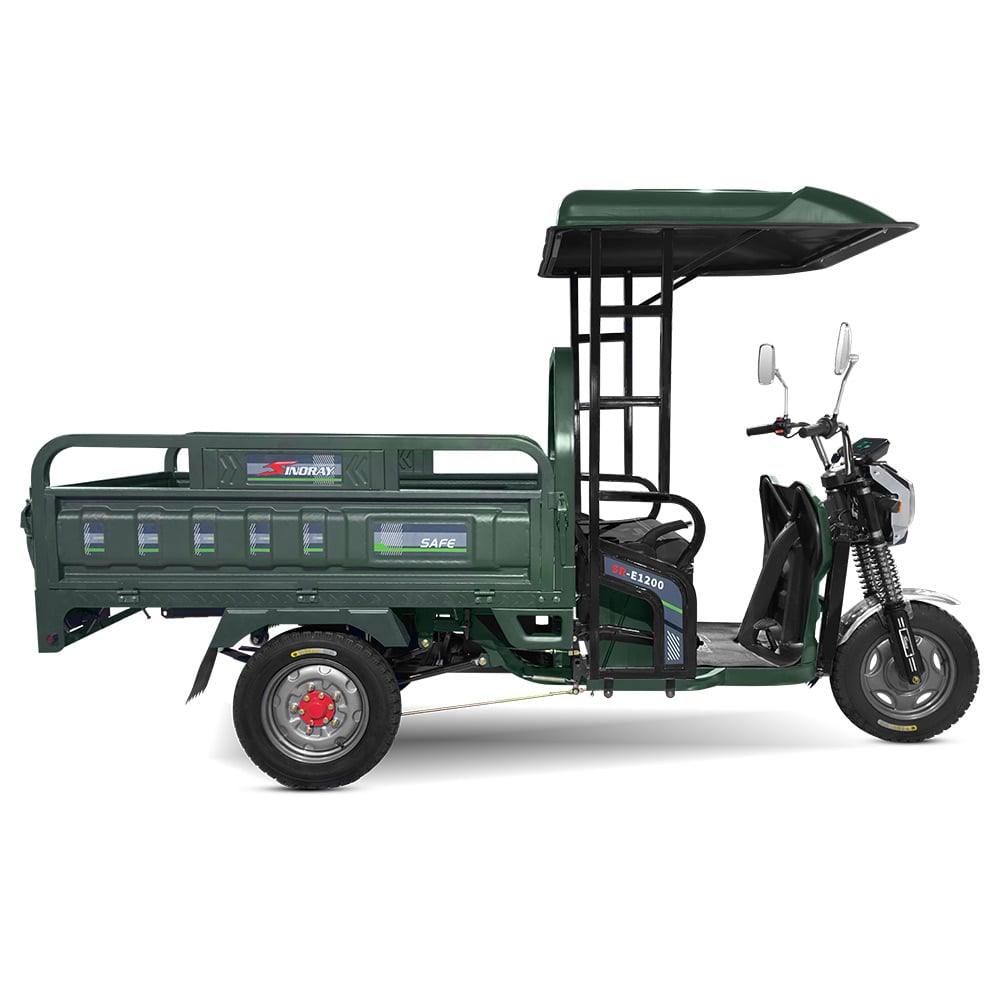
The maintenance requirements for an electric motorcycle differ significantly from traditional motorcycles, primarily because electric vehicles have fewer moving parts and no combustion engine components. However, this doesn't mean maintenance is optional. Regular care and attention to specific components will ensure your electric motorcycle delivers optimal performance throughout its lifespan. Understanding these maintenance principles empowers riders to enjoy reliable, efficient transportation while minimizing unexpected breakdowns and costly repairs.
Battery Care and Management
Proper Charging Practices
The battery system represents the heart of any electric motorcycle, and proper charging practices directly impact both performance and longevity. Most modern electric motorcycles utilize lithium-ion batteries that require specific charging protocols to maintain optimal capacity. Always use the manufacturer-recommended charger and avoid cheap aftermarket alternatives that may deliver inconsistent voltage or current. Charging your electric motorcycle battery between 20% and 80% capacity helps extend overall battery life by reducing stress on individual cells.
Temperature plays a critical role in battery charging efficiency and safety. Avoid charging your electric motorcycle in extreme temperatures, whether hot or cold, as this can damage battery cells and reduce charging efficiency. Ideally, charge your battery in moderate temperatures between 32°F and 86°F. If you've been riding in cold weather, allow the battery to warm up to room temperature before initiating the charging process. Similarly, after riding in hot conditions, let the battery cool down before connecting to the charger.
Storage and Seasonal Maintenance
Long-term storage requires special attention for electric motorcycle batteries to prevent degradation and capacity loss. If storing your electric motorcycle for extended periods, maintain the battery charge between 40% and 60% rather than fully charging or completely depleting it. This storage charge level minimizes chemical aging within the battery cells. Check the battery charge monthly during storage and top up if necessary to maintain the recommended range.
During winter storage, consider removing the battery and storing it indoors in a climate-controlled environment. Cold temperatures can significantly impact battery performance and may cause permanent damage if the battery freezes. Use a battery tender or smart charger designed for lithium-ion batteries to maintain optimal charge levels during extended storage periods. Before returning your electric motorcycle to service after storage, inspect all battery connections for corrosion and ensure proper torque specifications.
Electrical System Inspection and Care
Wiring and Connection Maintenance
The electrical system of an electric motorcycle encompasses numerous components beyond the main battery, including controllers, motors, sensors, and wiring harnesses. Regular inspection of electrical connections prevents corrosion, loose connections, and potential electrical faults that could compromise performance or safety. Examine all visible wiring for signs of damage, including cuts, abrasions, or exposure to the elements. Pay particular attention to areas where wires pass through the frame or near moving components.
Clean electrical connections using appropriate contact cleaners and apply dielectric grease to prevent corrosion. Ensure all connections are tight and properly seated, as loose connections can create resistance that generates heat and reduces efficiency. The high-voltage system in an electric motorcycle requires special attention, and any work on these systems should be performed by qualified technicians to avoid electrical shock hazards.
Motor and Controller Maintenance
Electric motorcycle motors typically require minimal maintenance compared to internal combustion engines, but regular inspection ensures optimal performance and early detection of potential issues. Keep the motor housing clean and free from debris that could obstruct cooling airflow. Many electric motorcycle motors are sealed units that don't require lubrication, but check manufacturer specifications for any recommended maintenance intervals.
The motor controller regulates power delivery from the battery to the motor and generates significant heat during operation. Ensure cooling fins and heat sinks remain clean and unobstructed. Inspect controller mounting bolts and connections regularly, as vibration can loosen these critical components over time. Monitor for any unusual sounds, vibrations, or performance changes that might indicate controller or motor problems requiring professional attention.
Mechanical Components and Safety Systems
Brake System Maintenance
Brake system maintenance remains crucial for electric motorcycle safety, even though regenerative braking systems reduce wear on traditional brake components. Inspect brake pads regularly for thickness and replace them before they reach minimum specifications. Electric motorcycles often feature regenerative braking that extends brake pad life, but mechanical brakes still serve as the primary safety system during emergency stops or when regenerative braking capacity is reduced.
Check brake fluid levels monthly and replace brake fluid according to manufacturer recommendations, typically every two years regardless of mileage. Moisture absorption in brake fluid reduces braking effectiveness and can cause system corrosion. Inspect brake lines for damage, leaks, or swelling that could indicate internal deterioration. Test brake lever and pedal feel regularly, addressing any sponginess or excessive travel that might indicate air in the system or component wear.
Tire and Suspension Care
Tire maintenance directly impacts electric motorcycle performance, safety, and energy efficiency. Check tire pressure weekly, as proper inflation reduces rolling resistance and maximizes battery range. Under-inflated tires increase energy consumption and reduce handling performance, while over-inflation compromises traction and ride comfort. Inspect tires for wear patterns that might indicate alignment issues, suspension problems, or improper pressure maintenance.
Suspension components require regular inspection and maintenance to ensure optimal handling and rider comfort. Check fork seals for leakage and inspect shock absorber mounts for proper torque and condition. Lubricate suspension pivot points according to manufacturer specifications, typically using marine-grade grease that resists moisture and corrosion. Adjust suspension settings based on rider weight and riding conditions to optimize performance and component longevity.
Cooling System and Thermal Management
Battery Cooling Maintenance
Advanced electric motorcycles incorporate sophisticated cooling systems to manage battery and motor temperatures during operation. Liquid-cooled systems require regular coolant level checks and periodic coolant replacement according to manufacturer schedules. Use only specified coolant types, as different formulations may be incompatible and could damage system components. Inspect cooling lines for leaks, proper routing, and secure connections that prevent air ingress.
Air-cooled electric motorcycle systems rely on proper airflow to maintain operating temperatures within safe ranges. Keep cooling vents and passages clean and unobstructed to ensure adequate air circulation. Remove debris, leaves, or other materials that could block cooling airflow and cause overheating. Monitor operating temperatures through dashboard indicators and investigate any unusual temperature increases that might indicate cooling system problems.
Thermal Management Best Practices
Effective thermal management extends beyond cooling systems to include riding practices that minimize heat generation. Avoid sustained high-power operation that can stress electrical components and generate excessive heat. Allow cooling periods during long rides or challenging terrain that demands continuous high power output from your electric motorcycle systems. Understanding thermal limitations helps prevent component damage and maintains consistent performance.
Park your electric motorcycle in shaded areas when possible to reduce heat absorption from direct sunlight. Extreme ambient temperatures affect battery performance and component longevity, so consider environmental factors when planning rides and storage. Use thermal protection covers during hot weather storage to minimize temperature extremes that could impact sensitive electronic components.
Software Updates and Diagnostic Monitoring
Firmware and Software Maintenance
Modern electric motorcycles incorporate sophisticated electronic control systems that benefit from regular software updates. These updates often include performance improvements, bug fixes, and enhanced safety features that optimize your electric motorcycle operation. Check with manufacturers regularly for available updates and follow proper installation procedures to avoid system conflicts or data corruption.
Diagnostic monitoring systems provide valuable insights into electric motorcycle health and performance trends. Learn to interpret diagnostic codes and warning messages that indicate potential issues requiring attention. Many systems log performance data that can help identify developing problems before they cause failures or safety concerns. Regular diagnostic scans help maintain optimal performance and prevent unexpected breakdowns.
Performance Optimization
Software-controlled parameters affect electric motorcycle performance characteristics, including power delivery, regenerative braking strength, and energy management strategies. Understand available settings and adjust them based on riding conditions and personal preferences. Some electric motorcycles offer multiple riding modes that optimize performance for different scenarios, from maximum range to sport performance settings.
Monitor energy consumption patterns to identify efficiency improvements and maintenance needs. Sudden changes in energy consumption may indicate developing problems with motors, batteries, or other electrical components. Establishing baseline performance metrics helps detect gradual degradation that might otherwise go unnoticed until significant problems develop.
Preventive Maintenance Scheduling
Regular Inspection Intervals
Establishing a regular maintenance schedule ensures consistent electric motorcycle performance and helps prevent unexpected failures. Weekly inspections should include tire pressure, brake function, lights, and general visual inspection for damage or unusual conditions. Monthly checks should cover battery connections, fluid levels, and more detailed inspection of electrical and mechanical components.
Annual maintenance should include comprehensive inspection of all systems, software updates, and replacement of wear items according to manufacturer recommendations. Some components may require attention based on mileage rather than time intervals, so track both parameters to ensure complete maintenance coverage. Professional service at recommended intervals helps maintain warranty coverage and ensures safety-critical systems receive proper attention.
Maintenance Record Keeping
Detailed maintenance records help track electric motorcycle condition over time and identify patterns that might indicate developing problems. Record all maintenance activities, including inspections, parts replacement, and software updates. Note any unusual observations or performance changes that might guide future maintenance decisions or help technicians diagnose problems.
Maintain records of battery performance, including charging times, range, and any capacity measurements available through diagnostic systems. This information helps track battery aging and plan for eventual replacement. Comprehensive records also support warranty claims and help maintain resale value by demonstrating proper care and maintenance throughout ownership.
FAQ
How often should I charge my electric motorcycle battery
Charge your electric motorcycle battery when it reaches 20-30% capacity rather than waiting for complete depletion. Daily charging for regular commuting is perfectly acceptable with lithium-ion batteries, and maintaining charge levels between 20-80% helps maximize battery lifespan. Avoid leaving the battery at very low charge levels for extended periods, as this can cause permanent capacity loss.
Can I perform electric motorcycle maintenance myself
Many basic electric motorcycle maintenance tasks can be performed by owners, including tire pressure checks, brake inspections, and general cleaning. However, high-voltage electrical systems require specialized knowledge and safety equipment, so leave motor, controller, and battery system work to qualified technicians. Always consult your owner's manual for specific guidance on which maintenance tasks are appropriate for owner performance.
What are the signs that my electric motorcycle needs professional service
Warning signs requiring professional attention include unusual sounds from the motor or drivetrain, significant reduction in range or performance, charging problems, error codes on the dashboard, or any electrical system malfunctions. Additionally, if you notice loose connections, damaged wiring, or fluid leaks, have these issues addressed by qualified technicians to prevent safety hazards or further damage.
How do weather conditions affect electric motorcycle maintenance needs
Extreme weather conditions require additional maintenance attention for electric motorcycles. Cold weather reduces battery capacity and may require more frequent charging, while hot weather can stress cooling systems and electrical components. After riding in rain or wet conditions, dry electrical connections and inspect for water intrusion. Store your electric motorcycle in climate-controlled environments when possible to minimize weather-related stress on components.