 EN
EN

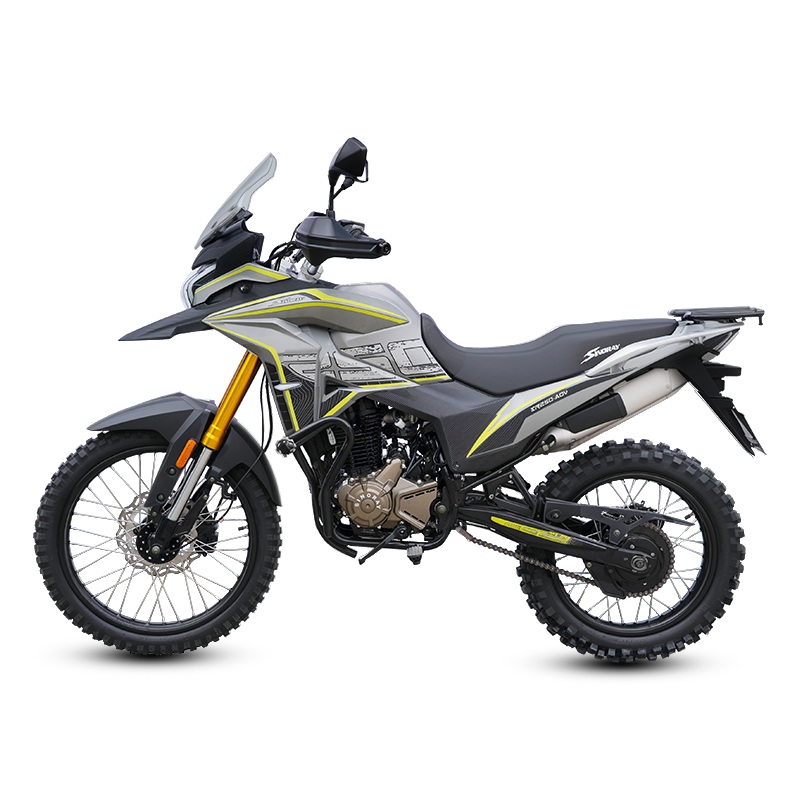
Maintaining an offroad motorcycle requires specialized attention to components that endure extreme conditions, from muddy trails to rocky terrain. Unlike street bikes, offroad motorcycles face unique challenges that demand consistent maintenance protocols to ensure peak performance and rider safety. Proper maintenance extends beyond basic servicing, encompassing critical systems that directly impact your machine's reliability in demanding environments. Understanding these maintenance essentials transforms recreational riders into confident trail explorers who can tackle any terrain with confidence.
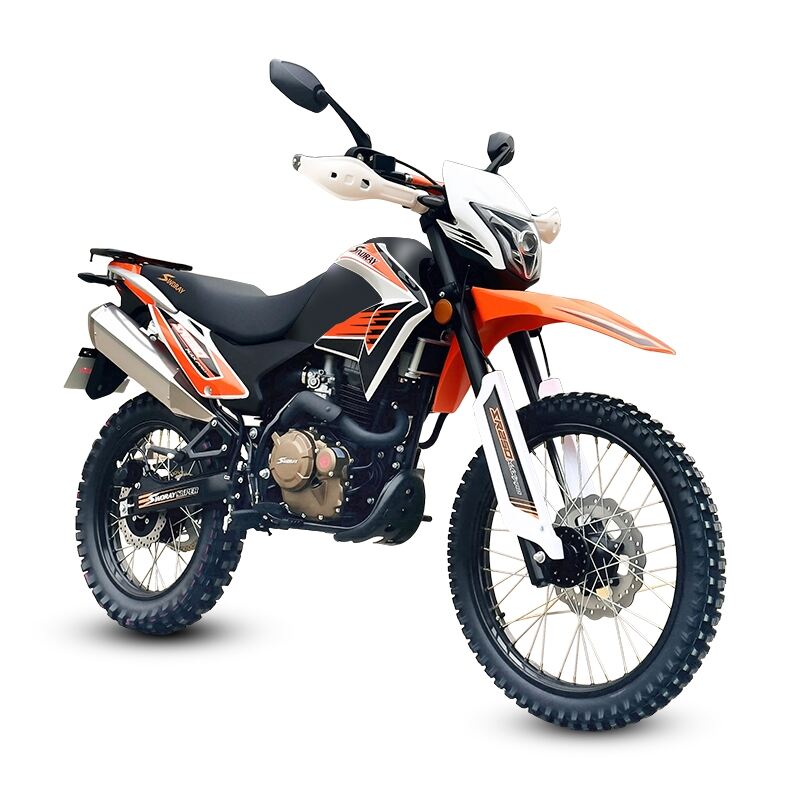
Engine and Powertrain Maintenance Fundamentals
Air Filter System Management
The air filter serves as your offroad motorcycle's primary defense against dust, dirt, and debris infiltration. Trail conditions expose engines to significantly higher contamination levels compared to street riding environments. Regular inspection and cleaning of foam and paper filter elements prevents premature engine wear and maintains optimal air-fuel mixture ratios. Professional mechanics recommend cleaning foam filters after every three to five rides in dusty conditions, while paper elements require replacement when visual inspection reveals excessive contamination.
Advanced filtration systems incorporate pre-filters and secondary elements that provide additional protection during extended backcountry adventures. These multi-stage systems require sequential maintenance procedures that ensure comprehensive debris removal without compromising airflow characteristics. Proper filter maintenance directly correlates with engine longevity and performance consistency across varying trail conditions.
Oil Change Intervals and Specifications
Engine oil degradation accelerates dramatically under offroad conditions due to increased thermal stress and contamination exposure. Standard street maintenance intervals prove inadequate for offroad motorcycle applications, requiring more frequent oil changes to maintain lubrication effectiveness. Quality synthetic oils formulated specifically for high-performance applications provide superior protection against breakdown under extreme operating temperatures and extended high-RPM operation.
Transmission and clutch components benefit from specialized oil formulations that address the unique requirements of offroad riding scenarios. Wet clutch systems demand oils with specific friction characteristics that prevent slippage while maintaining smooth engagement throughout the power band. Regular oil analysis can identify potential issues before they result in catastrophic component failure, providing valuable insights into engine health and maintenance effectiveness.
Suspension System Care and Adjustment
Fork Maintenance Procedures
Front fork systems endure tremendous stress during offroad operation, requiring regular maintenance to preserve performance and prevent premature seal failure. Dust seals and bushings face constant contamination from trail debris, necessitating frequent inspection and replacement to maintain proper function. Professional-grade fork oils provide consistent damping characteristics across temperature ranges, ensuring predictable handling characteristics in varying environmental conditions.
Compression and rebound settings require periodic adjustment based on rider weight, riding style, and terrain preferences. Proper setup optimizes traction and control while minimizing rider fatigue during extended trail sessions. Advanced suspension components incorporate adjustable features that allow fine-tuning for specific trail conditions, from technical rock gardens to high-speed desert runs.
Rear Shock Servicing
Rear shock absorbers face unique challenges in offroad environments, including extreme compression cycles and thermal stress from repeated impacts. Nitrogen pressure levels require regular monitoring to maintain proper spring rates and prevent cavitation during aggressive riding scenarios. Shock servicing intervals should align with manufacturer specifications while accounting for increased wear rates associated with demanding trail conditions.
Linkage bearings and pivot points accumulate debris and moisture that accelerate wear patterns and compromise suspension geometry. Regular greasing and inspection procedures prevent costly repairs while maintaining optimal rear wheel tracking and stability. Quality aftermarket bearings and seals often provide superior longevity compared to original equipment components in harsh operating environments.
Drivetrain and Chain Maintenance
Chain Lubrication Strategies
Chain maintenance assumes critical importance for offroad motorcycle applications due to increased contamination exposure and power transmission demands. Premium chain lubricants formulated for extreme conditions provide superior adhesion properties that resist wash-off from water crossings and muddy terrain. Application techniques must ensure complete penetration into roller and side plate interfaces while avoiding excess accumulation that attracts additional debris.
Chain tension specifications require careful attention as suspension travel variations affect chain length throughout the suspension cycle. Improper tension leads to accelerated sprocket wear, chain stretch, and potential failure during high-load scenarios. Regular adjustment procedures should account for settling of new chains and gradual elongation over the service life.
Sprocket Inspection and Replacement
Drive sprockets experience accelerated wear patterns under offroad conditions due to increased torque loads and contamination exposure. Visual inspection techniques identify wear patterns that indicate alignment issues, improper chain tension, or lubrication deficiencies. Quality steel sprockets provide superior durability compared to aluminum alternatives, particularly for aggressive riding applications that demand maximum component longevity.
Gearing modifications allow optimization for specific terrain types and riding preferences, from technical trail work to high-speed desert racing. Understanding gear ratio impacts on engine RPM, fuel consumption, and power delivery characteristics enables riders to customize their offroad motorcycle for specific applications while maintaining reliability and performance standards.
Brake System Maintenance
Brake Pad Inspection and Replacement
Brake pad wear rates increase significantly under offroad conditions due to contamination from dust, mud, and debris that creates abrasive wear patterns. Sintered metal pads provide superior durability and heat dissipation compared to organic compounds, particularly in demanding trail environments with frequent heavy braking scenarios. Regular inspection procedures should evaluate pad thickness, glazing, and contamination levels that compromise braking effectiveness.
Brake fluid maintenance assumes critical importance as moisture absorption degrades braking performance and promotes internal corrosion of hydraulic components. DOT 4 brake fluids provide higher boiling points that resist vapor formation under extreme heat conditions common during aggressive trail riding. Annual fluid replacement prevents contamination buildup and maintains consistent brake feel throughout the operating range.
Disc Rotor Care
Brake rotors face unique challenges in offroad environments, including thermal stress from repeated heavy braking and contamination from abrasive trail debris. Regular cleaning procedures remove embedded particles that cause premature pad wear and reduced braking effectiveness. Rotor warpage inspection techniques identify heat-related distortion that compromises braking consistency and rider confidence.
Floating rotor designs accommodate thermal expansion while maintaining optimal pad contact patterns across the braking surface. These advanced systems require specific maintenance procedures that preserve floating mechanisms and prevent binding that reduces braking performance. Quality aftermarket rotors often provide improved heat dissipation and durability compared to original equipment components.
Electrical System Maintenance
Ignition Component Care
Electrical systems face harsh environmental conditions during offroad operation, requiring protective measures that prevent moisture infiltration and contamination damage. Spark plug maintenance intervals should reflect increased operating demands and potential fouling from varying air-fuel mixtures encountered during trail riding. Quality spark plugs designed for high-performance applications provide consistent ignition characteristics across RPM ranges and load conditions.
Ignition coil and CDI unit protection requires attention to mounting security and environmental sealing that prevents vibration damage and moisture ingress. Regular inspection of electrical connections identifies corrosion and loose terminals that compromise ignition reliability. Dielectric grease application on critical connections provides long-term protection against environmental contamination.
Lighting and Safety Systems
Lighting systems endure significant vibration and impact loads during offroad operation, requiring robust mounting solutions and quality LED conversion upgrades that provide superior durability compared to traditional incandescent bulbs. Waterproof connectors and sealed housings prevent moisture infiltration that causes premature failure and intermittent operation issues.
Battery maintenance procedures must account for increased electrical loads from auxiliary lighting and navigation equipment commonly used during extended trail adventures. AGM battery technology provides superior vibration resistance and deep discharge recovery compared to conventional lead-acid designs. Regular voltage testing identifies charging system issues before they result in trail-side failures.
Preventive Maintenance Scheduling
Daily Pre-Ride Inspections
Comprehensive pre-ride inspection procedures identify potential issues before they escalate into catastrophic failures during trail operation. Visual inspection techniques evaluate critical components including chain tension, brake pad thickness, suspension seal condition, and fluid levels that directly impact offroad motorcycle safety and performance. Systematic inspection checklists ensure consistent evaluation of all critical systems.
Tire pressure verification assumes critical importance for offroad applications as proper inflation pressures optimize traction characteristics while preventing rim damage from impacts with rocks and obstacles. Tread depth evaluation identifies wear patterns that indicate alignment issues or improper pressure maintenance. Quality tire pressure gauges provide accurate readings essential for optimal performance tuning.
Seasonal Maintenance Protocols
Seasonal maintenance intervals address component degradation from extended storage periods and environmental exposure during off-season storage. Fuel system preparation prevents carburetor varnishing and fuel injector contamination that compromises starting reliability and performance consistency. Proper storage procedures protect offroad motorcycle components from corrosion and deterioration during inactive periods.
Comprehensive annual inspections evaluate wear patterns and component condition that guide replacement scheduling and upgrade planning. Professional diagnostic equipment identifies internal engine condition and transmission health that prevents unexpected failures during critical riding scenarios. Documentation of maintenance activities provides valuable service history for warranty claims and resale value preservation.
FAQ
How often should I change the air filter on my offroad motorcycle
Air filter maintenance frequency depends on riding conditions and environmental factors. In dusty or sandy conditions, inspect and clean foam filters after every 3-5 rides, while paper elements may require replacement every 2-3 outings. Clean conditions allow extended intervals up to 10-15 hours of operation. Always carry spare filters for extended backcountry adventures where maintenance opportunities are limited.
What type of oil is best for offroad motorcycle applications
Full synthetic oils formulated specifically for high-performance motorcycles provide optimal protection under extreme offroad conditions. Look for oils meeting JASO MA2 specifications for wet clutch compatibility and API SL or higher ratings for engine protection. Viscosity selection should match manufacturer recommendations while considering operating temperature ranges and riding intensity levels typical for your terrain preferences.
How do I know when suspension components need servicing
Suspension service indicators include oil leakage around seals, excessive stiction during compression cycles, inconsistent damping characteristics, and unusual noises during operation. Fork seals typically require replacement every 40-60 hours of aggressive riding, while shock servicing intervals range from 50-100 hours depending on conditions. Professional suspension shops can evaluate internal component condition and recommend appropriate service intervals.
What tools are essential for trail-side maintenance
Essential trail tools include combination wrenches for common bolt sizes, tire levers and patch kit, chain master link, basic cable ties, electrical tape, and multi-tool with screwdriver bits. Advanced riders should carry spare brake pads, chain lubricant, and basic electrical supplies for extended adventures. Tool selection should balance functionality with weight considerations for specific riding distances and terrain difficulty levels.