 EN
EN

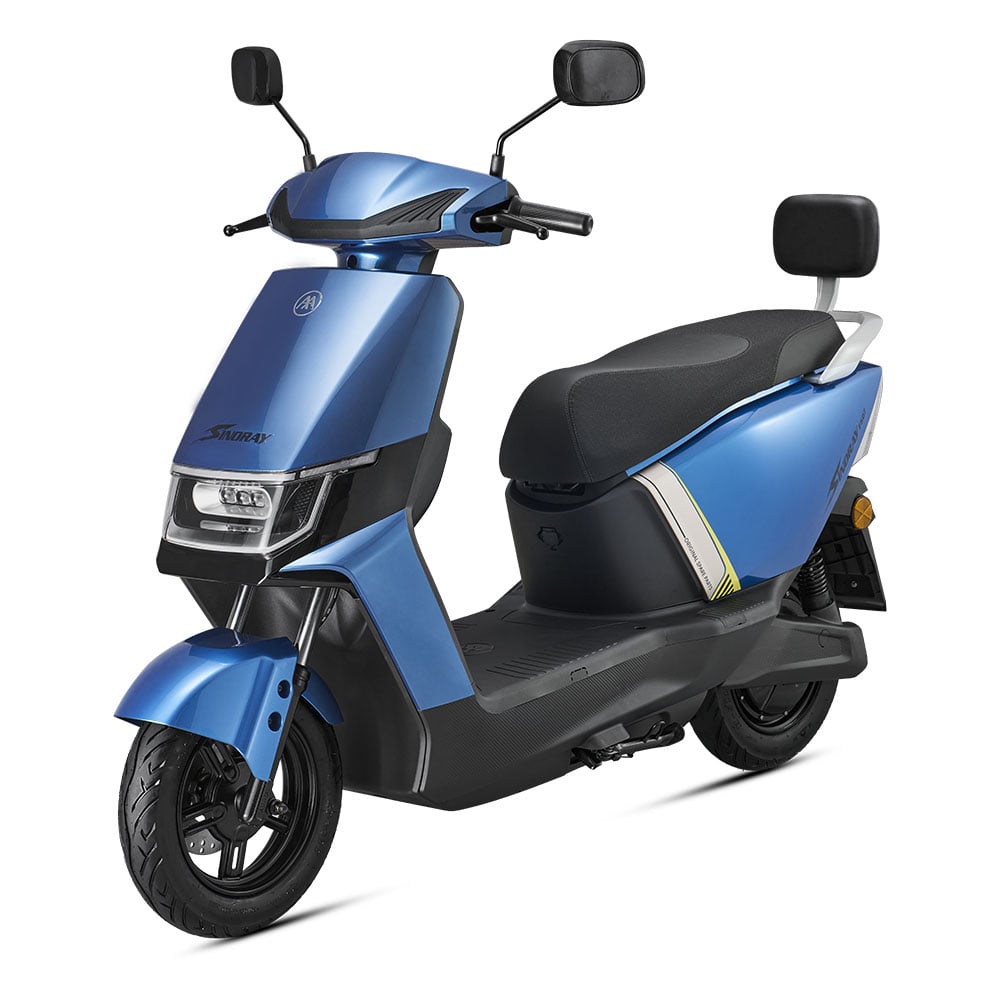
Urban transportation is undergoing a revolutionary transformation as cities worldwide grapple with increasing traffic congestion, rising fuel costs, and mounting environmental concerns. Electric motorcycles have emerged as a compelling solution that addresses these challenges while offering riders an efficient, sustainable, and cost-effective mode of transportation. These innovative vehicles combine the agility and convenience of traditional motorcycles with advanced electric propulsion technology, creating an entirely new category of urban mobility that promises to reshape how we navigate city streets.
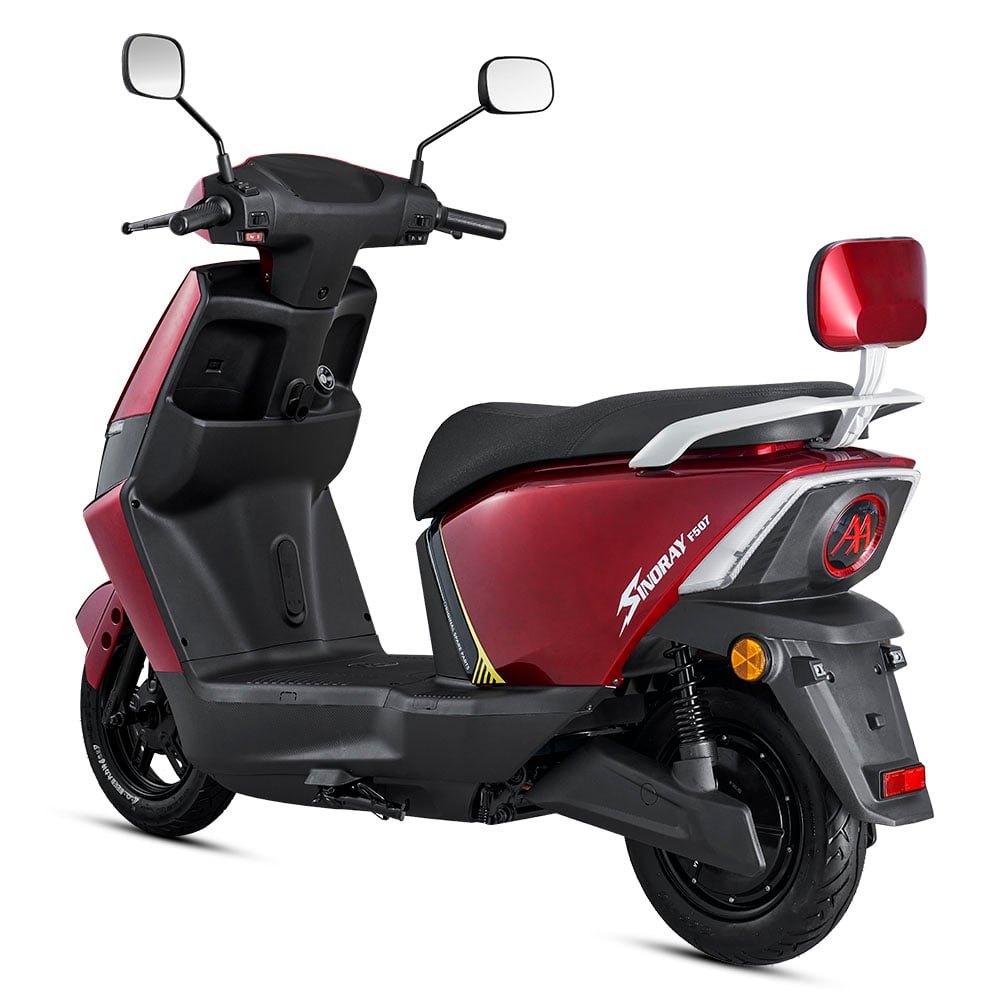
The growing adoption of electric motorcycles reflects a broader shift toward sustainable transportation solutions that prioritize environmental responsibility without compromising performance or convenience. As battery technology continues to advance and charging infrastructure expands, these vehicles are becoming increasingly practical for daily commuting, recreational riding, and commercial applications. The convergence of technological innovation, environmental awareness, and economic incentives has created the perfect conditions for electric motorcycles to flourish in urban environments worldwide.
Revolutionary Technology Driving Electric Motorcycle Innovation
Advanced Battery Systems and Energy Management
Modern electric motorcycles utilize cutting-edge lithium-ion battery technology that delivers impressive range and performance characteristics. These sophisticated energy storage systems feature advanced battery management systems that optimize charging cycles, monitor cell health, and ensure safe operation under various conditions. The latest battery technologies offer energy densities that rival traditional fuel systems while providing instant torque delivery that enhances the riding experience significantly.
Energy regeneration systems integrated into electric motorcycles capture kinetic energy during braking and deceleration, converting it back into stored electrical energy. This innovative technology extends the vehicle's range while reducing wear on traditional braking components, resulting in lower maintenance costs and improved overall efficiency. The seamless integration of regenerative braking creates a more engaging riding experience while maximizing the utilization of available energy resources.
Motor Efficiency and Performance Optimization
Electric motorcycles employ high-efficiency electric motors that deliver power directly to the wheels with minimal energy loss. These advanced propulsion systems achieve efficiency ratings exceeding 95%, compared to internal combustion engines that typically operate at 25-30% efficiency. The direct power delivery eliminates the need for complex transmission systems, reducing mechanical complexity while improving reliability and reducing maintenance requirements.
Variable speed control systems in electric motorcycles provide precise power modulation that enhances both performance and energy efficiency. These intelligent systems continuously adjust motor output based on riding conditions, terrain, and rider input, optimizing power delivery for maximum efficiency and performance. The result is a smooth, responsive riding experience that adapts seamlessly to various urban driving conditions.
Environmental Impact and Sustainability Benefits
Zero Emissions and Air Quality Improvement
Electric motorcycles produce zero direct emissions during operation, making them instrumental in reducing urban air pollution and improving public health outcomes. Cities around the world are recognizing the significant impact that transportation electrification can have on air quality, particularly in densely populated urban areas where vehicle emissions contribute substantially to smog and respiratory health issues. The widespread adoption of electric motorcycles could dramatically reduce harmful pollutants including nitrogen oxides, particulate matter, and carbon monoxide in urban environments.
The environmental benefits of electric motorcycles extend beyond local air quality improvements to encompass broader climate change mitigation efforts. As electricity grids increasingly incorporate renewable energy sources, the carbon footprint of electric motorcycle operation continues to decrease, creating a virtuous cycle of environmental improvement. This transition toward clean transportation aligns with global climate commitments and urban sustainability initiatives that prioritize reduced greenhouse gas emissions.
Resource Efficiency and Circular Economy Principles
Electric motorcycles demonstrate superior resource efficiency compared to conventional vehicles through reduced material requirements and extended component lifecycles. The simplified mechanical design of electric motorcycles requires fewer moving parts, reducing the consumption of metals, lubricants, and other materials throughout the vehicle's operational lifetime. This efficiency extends to maintenance requirements, where electric motorcycles typically require significantly less servicing than their gasoline-powered counterparts.
Battery recycling programs and second-life applications for electric motorcycle batteries support circular economy principles by maximizing the value extracted from battery materials. As battery technology advances, older battery packs can be repurposed for stationary energy storage applications, extending their useful life and reducing waste. These sustainable practices position electric motorcycles as environmentally responsible transportation solutions that minimize resource consumption and waste generation.
Economic Advantages and Cost Savings
Lower Operating Costs and Fuel Savings
Electric motorcycles offer substantial cost savings compared to gasoline-powered alternatives through dramatically reduced fuel costs and simplified maintenance requirements. The cost per mile for electric motorcycles is typically 70-80% lower than comparable gasoline motorcycles, creating significant long-term savings for commuters and commercial operators. These savings compound over time, making electric motorcycles increasingly attractive from a total cost of ownership perspective.
Electricity rates remain relatively stable compared to volatile gasoline prices, providing predictable operating costs that facilitate better budget planning for both individual and fleet operators. Many utility companies offer special rates for electric vehicle charging, further reducing the cost of operation. The ability to charge electric motorcycles at home or work eliminates the need for frequent visits to gas stations, saving both time and money while providing greater convenience for daily commuting.
Reduced Maintenance and Service Requirements
The simplified mechanical design of electric motorcycles eliminates many maintenance-intensive components found in traditional motorcycles, including oil changes, air filter replacements, spark plug servicing, and complex transmission maintenance. This reduction in maintenance requirements translates directly into lower ongoing costs and increased vehicle availability. Electric motorcycles typically require only basic inspections, brake maintenance, and tire replacements as primary service items.
The reliability of electric propulsion systems reduces the likelihood of unexpected breakdowns and costly repairs that commonly affect internal combustion engine motorcycles. Electric motors have fewer moving parts and operate under less stress than combustion engines, resulting in extended service intervals and improved overall reliability. This enhanced reliability is particularly valuable for commercial applications where vehicle downtime directly impacts business operations and profitability.
Urban Infrastructure and Charging Solutions
Expanding Charging Network Coverage
Cities worldwide are rapidly expanding their electric vehicle charging infrastructure to support the growing adoption of electric motorcycles and other electric transportation solutions. Public charging stations are becoming increasingly common in shopping centers, workplace parking areas, and residential complexes, making it easier for electric motorcycle owners to maintain their vehicles' charge levels throughout the day. Fast-charging technologies are reducing charging times to levels that support practical urban commuting patterns.
Smart charging systems integrated into urban infrastructure optimize charging schedules based on grid demand and electricity rates, helping to reduce charging costs while supporting grid stability. These intelligent systems can automatically schedule charging during off-peak hours when electricity rates are lowest and grid capacity is most available. The integration of renewable energy sources into charging infrastructure further enhances the environmental benefits of electric motorcycles by ensuring that the electricity used for charging comes from clean sources.
Home and Workplace Charging Solutions
The convenience of charging electric motorcycles at home or work provides significant advantages over traditional refueling methods that require visits to gas stations. Standard electrical outlets can accommodate many electric motorcycles for overnight charging, while dedicated charging stations can provide faster charging for users with higher daily mileage requirements. This charging flexibility allows electric motorcycle owners to start each day with a full charge, eliminating range anxiety and supporting predictable daily commuting patterns.
Workplace charging programs are becoming increasingly popular as employers recognize the benefits of supporting employee adoption of electric motorcycles. These programs can include dedicated parking spaces with charging facilities, preferred parking locations, and even subsidized electricity rates for employee charging. Such initiatives demonstrate corporate environmental responsibility while providing tangible benefits that can help attract and retain environmentally conscious employees.
Performance Characteristics and Riding Experience
Instant Torque and Acceleration Performance
Electric motorcycles deliver instant torque from zero RPM, providing exceptional acceleration performance that surpasses many gasoline-powered motorcycles in urban riding conditions. This immediate power delivery eliminates the lag associated with internal combustion engines and provides confident acceleration for merging into traffic, navigating intersections, and overtaking slower vehicles. The smooth, linear power delivery of electric motorcycles creates a more predictable and controllable riding experience.
The quiet operation of electric motorcycles contributes to a more pleasant riding experience while reducing noise pollution in urban environments. This characteristic is particularly valuable for early morning or late evening commuting when noise considerations are important for maintaining good community relations. The reduced noise levels also allow riders to better hear ambient traffic sounds, potentially improving safety awareness during urban riding.
Handling and Maneuverability Advantages
The low center of gravity achieved through battery placement in electric motorcycles enhances handling characteristics and stability, particularly in low-speed urban riding conditions. The weight distribution of electric motorcycles can be optimized more easily than traditional motorcycles due to the flexibility in battery and motor placement. This optimization results in improved cornering performance and enhanced rider confidence in various riding conditions.
Advanced traction control and stability systems integrated into modern electric motorcycles provide additional safety benefits while maintaining the engaging riding experience that motorcycle enthusiasts expect. These electronic systems can modulate power delivery instantaneously to prevent wheel slip and maintain optimal traction under various road conditions. The integration of such systems is more seamless in electric motorcycles due to the precise control possible with electric motors.
Market Growth and Future Trends
Global Market Expansion and Adoption Rates
The global market for electric motorcycles is experiencing rapid expansion driven by increasing environmental awareness, supportive government policies, and improving technology. Market analysts project continued strong growth in electric motorcycle adoption, particularly in urban markets where the benefits of electric propulsion are most pronounced. This growth is supported by expanding model availability, improving performance characteristics, and declining battery costs that make electric motorcycles increasingly competitive with traditional alternatives.
Government incentives and regulations supporting electric vehicle adoption are accelerating market growth in many regions. These policies include purchase incentives, tax credits, preferential parking arrangements, and access to restricted traffic zones that provide tangible benefits for electric motorcycle owners. As cities implement stricter emissions regulations and low-emission zones, electric motorcycles gain additional competitive advantages that support continued market expansion.
Technological Advancement and Innovation Pipeline
Ongoing research and development efforts in battery technology, electric motor design, and vehicle integration continue to improve the performance and capabilities of electric motorcycles. Emerging technologies including solid-state batteries, wireless charging systems, and advanced materials promise further improvements in range, charging convenience, and overall performance. These technological advances will address remaining barriers to adoption while opening new applications and market opportunities.
Connectivity and smart features are becoming standard in modern electric motorcycles, providing riders with real-time information about battery status, charging locations, route optimization, and maintenance requirements. These digital capabilities enhance the ownership experience while providing valuable data that can be used to optimize vehicle performance and predict maintenance needs. The integration of artificial intelligence and machine learning technologies promises even more sophisticated features that will further differentiate electric motorcycles from traditional alternatives.
FAQ
How far can electric motorcycles travel on a single charge?
Modern electric motorcycles typically offer ranges between 60 to 200 miles on a single charge, depending on the model, battery capacity, and riding conditions. Urban commuting applications generally require less range than highway touring, making current electric motorcycles well-suited for most daily transportation needs. Factors such as riding speed, terrain, weather conditions, and rider weight can affect actual range performance.
How long does it take to charge an electric motorcycle?
Charging times for electric motorcycles vary depending on the charging method and battery capacity. Standard home charging typically requires 4-8 hours for a full charge, while fast-charging stations can reduce this time to 1-3 hours. Many electric motorcycle owners charge their vehicles overnight at home, ensuring a full charge for the next day's commuting needs. Partial charging throughout the day can extend range for longer trips or multiple daily journeys.
Are electric motorcycles suitable for highway riding?
Many modern electric motorcycles are capable of highway speeds and sustained highway riding, though performance varies by model and application. Higher-end electric motorcycles can achieve speeds exceeding 100 mph and maintain highway speeds for extended periods. However, highway riding typically reduces range compared to urban riding due to higher energy consumption at sustained high speeds. Riders should consider their specific riding requirements when selecting an electric motorcycle model.
What maintenance is required for electric motorcycles?
Electric motorcycles require significantly less maintenance than traditional motorcycles due to their simplified mechanical design. Typical maintenance includes brake inspection and service, tire replacement, chain maintenance (if equipped), and basic electrical system checks. Electric motorcycles do not require oil changes, air filter replacements, spark plug service, or many other maintenance items associated with internal combustion engines. Battery maintenance primarily involves following proper charging practices and periodic capacity assessments.