 EN
EN

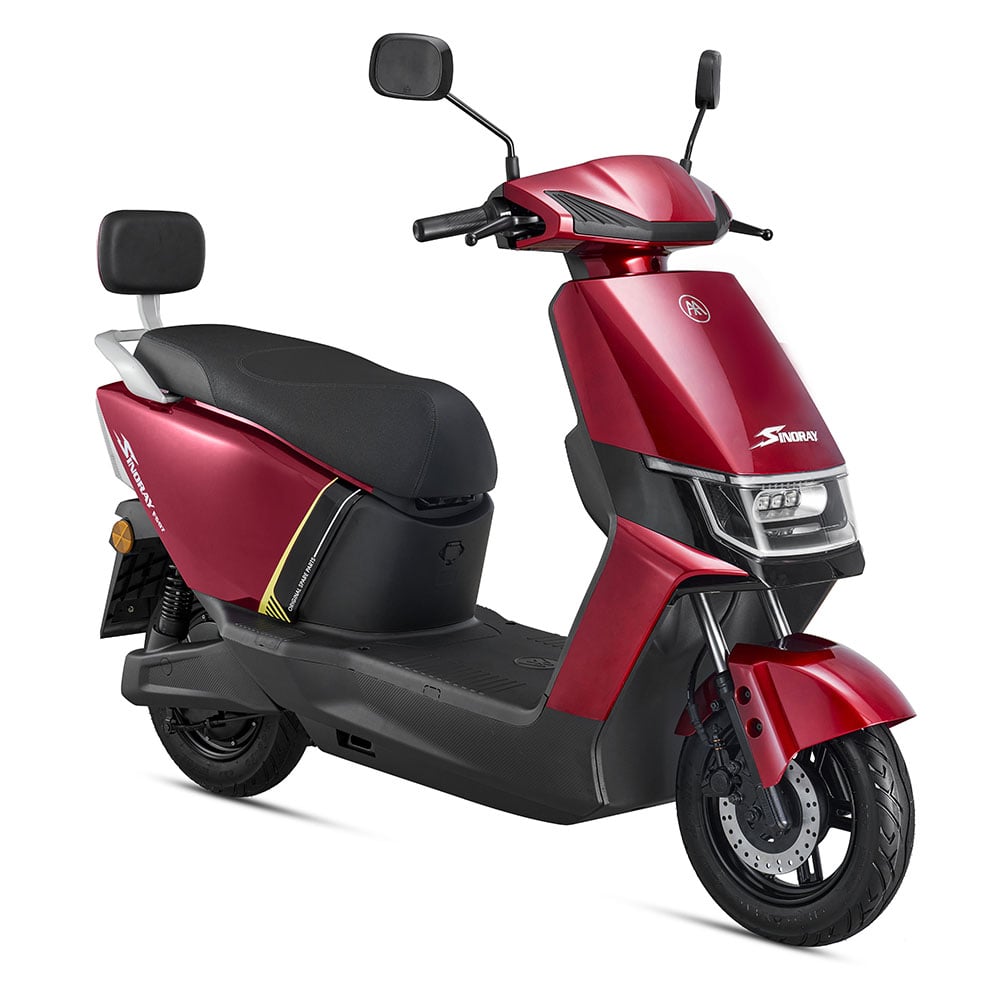
The world of electric motorcycles represents a revolutionary shift in personal transportation, offering riders an eco-friendly alternative to traditional gasoline-powered bikes. As battery technology continues advancing and infrastructure improves, more enthusiasts are making the transition to electric power. However, purchasing your first electric motorcycle requires careful consideration of numerous factors that differ significantly from conventional motorcycle buying decisions. Understanding these unique aspects will help ensure you select the perfect electric motorcycle that meets your specific needs, budget, and riding expectations.
Battery Technology and Range Considerations
Understanding Battery Types and Performance
Modern electric motorcycles utilize various battery technologies, with lithium-ion batteries being the most common due to their superior energy density and longevity. When evaluating an electric motorcycle, examine the battery capacity measured in kilowatt-hours (kWh), which directly impacts your riding range. Higher capacity batteries provide extended range but typically increase the vehicle's weight and cost. Consider how battery degradation over time might affect your electric motorcycle's performance, as most lithium-ion batteries retain approximately 80% capacity after 1000 charge cycles.
Battery management systems play a crucial role in protecting your investment and ensuring optimal performance. Advanced systems monitor individual cell voltages, temperature, and charging rates to prevent damage and extend battery life. Some electric motorcycles feature removable batteries, allowing convenient charging indoors or swapping for extended rides. The thermal management system is equally important, as extreme temperatures can significantly impact battery performance and longevity in your electric motorcycle.
Range Planning and Real-World Performance
Manufacturer-stated range figures for electric motorcycles often reflect ideal conditions that may not match real-world riding scenarios. Factors such as rider weight, weather conditions, terrain, riding style, and accessory usage significantly affect actual range. Urban stop-and-go traffic typically provides better efficiency due to regenerative braking, while highway speeds can dramatically reduce range. Plan for approximately 20-30% less range than manufacturer claims when calculating your daily commuting needs.
Consider your typical riding patterns and ensure your chosen electric motorcycle provides adequate range with a comfortable buffer. Range anxiety remains a legitimate concern for many riders, so having sufficient battery capacity for your longest regular trips plus emergency reserves is essential. Some manufacturers offer range-extending accessories or fast-charging capabilities that can alleviate range concerns for longer journeys.
Charging Infrastructure and Requirements
Home Charging Setup and Costs
Establishing proper home charging infrastructure is fundamental to electric motorcycle ownership success. Most electric motorcycles can charge using standard household outlets, though Level 2 charging stations significantly reduce charging time. Installing a dedicated 240V charging station may require electrical upgrades and professional installation, adding to your initial investment. Calculate the electrical load requirements and ensure your home's electrical system can handle the additional demand from your electric motorcycle.
Consider charging time requirements based on your daily usage patterns. Overnight charging typically provides sufficient time for full battery replenishment, but riders with longer daily commutes may need faster charging solutions. Some electric motorcycles support DC fast charging, dramatically reducing charging time but requiring compatible charging stations. Factor in electricity costs for charging your electric motorcycle, which typically cost significantly less than gasoline but vary based on local utility rates and charging times.
Public Charging Network Availability
Research the public charging infrastructure in your area and along frequently traveled routes to ensure adequate charging opportunities for longer rides. While electric vehicle charging networks continue expanding, motorcycle-specific charging stations remain limited in many regions. Many electric motorcycles can utilize standard EV charging stations, though adapter cables or specific connector types may be required for compatibility.
Plan charging stops for longer journeys and identify backup charging locations in case primary stations are occupied or non-functional. Mobile charging apps help locate nearby stations and provide real-time availability information. Consider joining electric vehicle communities or forums to stay updated on charging network expansion and share experiences with other electric motorcycle riders in your area.
Performance Characteristics and Riding Experience
Motor Power and Torque Delivery
Electric motorcycles deliver instant torque from zero RPM, providing exhilarating acceleration that often surpasses comparable gasoline motorcycles. However, top speed may be limited compared to traditional bikes due to motor characteristics and battery management constraints. Evaluate motor power ratings carefully, as some manufacturers list peak power while others specify continuous power output. Understanding this difference helps set realistic performance expectations for your electric motorcycle.
Consider how different power modes affect performance and range. Many electric motorcycles offer multiple riding modes that adjust power delivery, throttle response, and regenerative braking levels. Sport modes provide maximum performance but reduce range, while eco modes extend battery life at the expense of acceleration. Some models include customizable power settings, allowing riders to tailor their electric motorcycle's behavior to specific preferences or riding conditions.
Handling and Weight Distribution
Electric motorcycles typically have different weight distribution compared to conventional bikes due to battery placement and motor positioning. Lower center of gravity from floor-mounted batteries can improve handling and stability, while total vehicle weight may be higher than comparable gasoline motorcycles. Test ride different electric motorcycle models to experience how weight distribution affects handling characteristics, especially during low-speed maneuvering and parking.
Suspension tuning may differ from traditional motorcycles to accommodate the unique weight distribution and instant torque delivery of electric powertrains. Some manufacturers optimize suspension settings specifically for electric motorcycle applications, while others adapt existing conventional motorcycle platforms. Consider how suspension setup affects ride comfort, handling precision, and overall riding enjoyment when evaluating different models.
Maintenance and Ownership Costs
Reduced Maintenance Requirements
One significant advantage of electric motorcycle ownership is dramatically reduced maintenance requirements compared to internal combustion engines. Electric motors have fewer moving parts, eliminating the need for oil changes, air filter replacements, spark plug maintenance, and valve adjustments. This translates to lower ongoing maintenance costs and fewer service intervals, making electric motorcycles particularly appealing for daily commuters.
However, electric motorcycles still require regular maintenance for components such as brakes, tires, suspension, and electrical systems. Battery maintenance becomes crucial for long-term ownership costs, though modern battery management systems minimize user intervention requirements. Some manufacturers offer extended warranty coverage specifically for battery systems, providing peace of mind regarding expensive component replacement costs.
Total Cost of Ownership Analysis
Calculate total ownership costs beyond the initial purchase price of your electric motorcycle. Factor in electricity costs for charging, reduced maintenance expenses, potential tax incentives or rebates, and insurance rates. Many regions offer financial incentives for electric vehicle purchases, including tax credits, rebates, or reduced registration fees that can offset higher initial costs.
Consider depreciation rates and resale value for electric motorcycles, which may differ from traditional motorcycles due to rapidly evolving technology and limited market history. Battery degradation can significantly impact resale value, though newer battery technologies show improved longevity. Insurance costs may vary for electric motorcycles, with some insurers offering discounts for eco-friendly vehicles while others may charge premiums due to higher replacement costs or limited repair facility availability.
Safety and Regulatory Considerations
Licensing and Legal Requirements
Verify licensing requirements for your chosen electric motorcycle, as regulations vary by jurisdiction and power output. Some lower-powered electric motorcycles may qualify for different license categories or age restrictions compared to traditional motorcycles. High-performance electric motorcycles typically require standard motorcycle licenses and registration, while some jurisdictions offer simplified processes for electric vehicles.
Research local regulations regarding electric motorcycle operation, including lane usage, parking privileges, and access restrictions. Some areas provide benefits such as HOV lane access or free parking for electric vehicles. Understanding applicable regulations ensures legal compliance and helps maximize the benefits of electric motorcycle ownership in your area.
Safety Features and Technology
Modern electric motorcycles often incorporate advanced safety technologies such as traction control, anti-lock braking systems, and stability management. These electronic systems can provide enhanced safety compared to traditional motorcycles, particularly in adverse weather conditions or emergency situations. Evaluate available safety features when selecting your electric motorcycle, considering your experience level and typical riding conditions.
Silent operation of electric motorcycles presents unique safety considerations, as other road users may not hear your approach. Some electric motorcycles include artificial sound generators or warning systems to alert pedestrians and drivers. Consider adding additional lighting or reflective elements to increase visibility, and practice defensive riding techniques to compensate for reduced audible presence on the road.
Brand Reputation and Support Network
Manufacturer Track Record and Warranty
Research manufacturer reputation and track record in the electric motorcycle industry, as this emerging market includes both established motorcycle companies and new electric-focused startups. Established manufacturers may offer better dealer networks and parts availability, while newer companies might provide more innovative technology or specialized electric motorcycle expertise. Evaluate warranty coverage carefully, particularly for battery systems and electric components that represent significant replacement costs.
Consider the manufacturer's commitment to ongoing support and software updates for your electric motorcycle. Many modern electric motorcycles include connected features and over-the-air update capabilities that can improve performance and add features throughout ownership. Verify that the manufacturer has adequate funding and business stability to provide long-term support and parts availability for your investment.
Dealer Network and Service Availability
Locate authorized dealers and service centers in your area before purchasing an electric motorcycle. Limited dealer networks can complicate warranty service, routine maintenance, and parts availability. Some manufacturers offer mobile service programs or direct-to-consumer support models that can supplement traditional dealer networks. Evaluate service capabilities for electric motorcycle systems, as traditional motorcycle mechanics may require additional training for electric powertrain components.
Consider parts availability and costs for common wear items and potential repairs. While electric motorcycles require less frequent maintenance, certain components may be more expensive or harder to source than traditional motorcycle parts. Establish relationships with local service providers who understand electric motorcycle technology and can provide competent maintenance and repair services.
FAQ
How long does it take to charge an electric motorcycle
Charging time for an electric motorcycle varies significantly based on battery capacity, charger type, and remaining charge level. Using standard household outlets (Level 1 charging) typically requires 6-12 hours for a full charge, while Level 2 charging stations can reduce this to 2-4 hours. DC fast charging, where available, can charge most electric motorcycle batteries to 80% capacity in 30-60 minutes, making it practical for longer trips with charging stops.
What is the typical lifespan of an electric motorcycle battery
Modern lithium-ion batteries in electric motorcycles typically last 8-15 years or 100,000-200,000 miles, depending on usage patterns, charging habits, and environmental conditions. Most manufacturers warranty electric motorcycle batteries for 5-8 years or specific mileage limits. Battery degradation is gradual, with most systems retaining 70-80% of original capacity at the end of their useful life, though the electric motorcycle may still be functional with reduced range.
Can electric motorcycles be ridden in rain or adverse weather
Most electric motorcycles are designed with appropriate weatherproofing for normal riding conditions, including rain and wet weather. Battery systems and electrical components typically have IP65 or higher ratings, providing protection against water ingress. However, avoid riding through deep water or flooding, as this can damage electrical systems. Cold weather can reduce battery performance and range, so plan accordingly during winter months when choosing your electric motorcycle.
Are there government incentives for purchasing electric motorcycles
Many governments offer financial incentives for electric motorcycle purchases, including federal tax credits, state rebates, and local incentives. In the United States, electric motorcycles may qualify for federal tax credits up to $2,500, depending on battery capacity. Additional state and local programs may provide rebates, reduced registration fees, or other benefits. Research available incentives in your area before purchasing, as these programs can significantly reduce the effective cost of your electric motorcycle.