 EN
EN

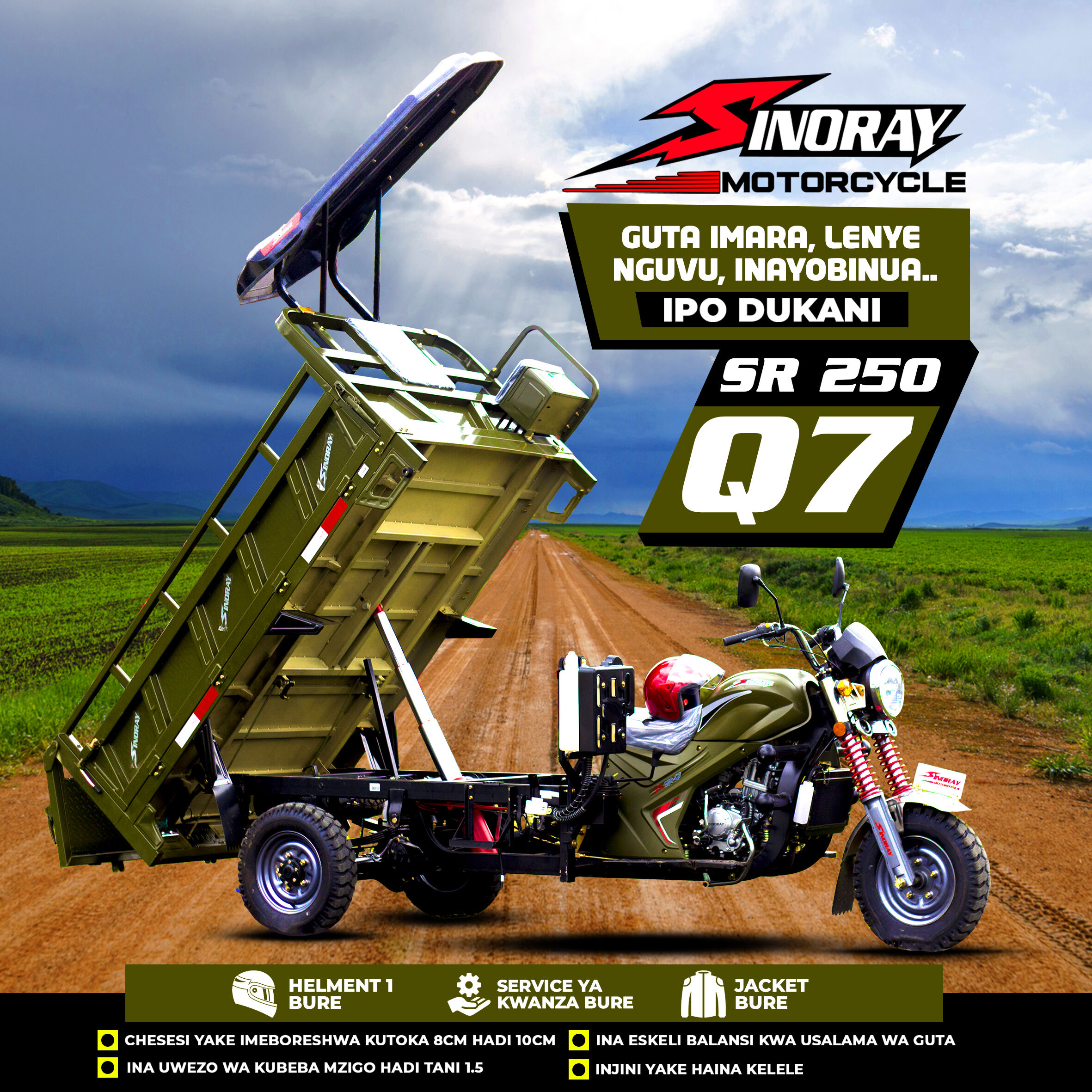
Urban logistics operations face mounting pressure to deliver goods efficiently while managing escalating operational costs, environmental regulations, and congested city streets. Traditional delivery vehicles often struggle with fuel expenses, parking limitations, and restricted access to narrow urban areas, creating significant challenges for businesses seeking sustainable logistics solutions. Heavy-duty cargo tricycles have emerged as a transformative alternative that addresses these critical pain points while delivering exceptional cost-effectiveness for urban delivery operations.
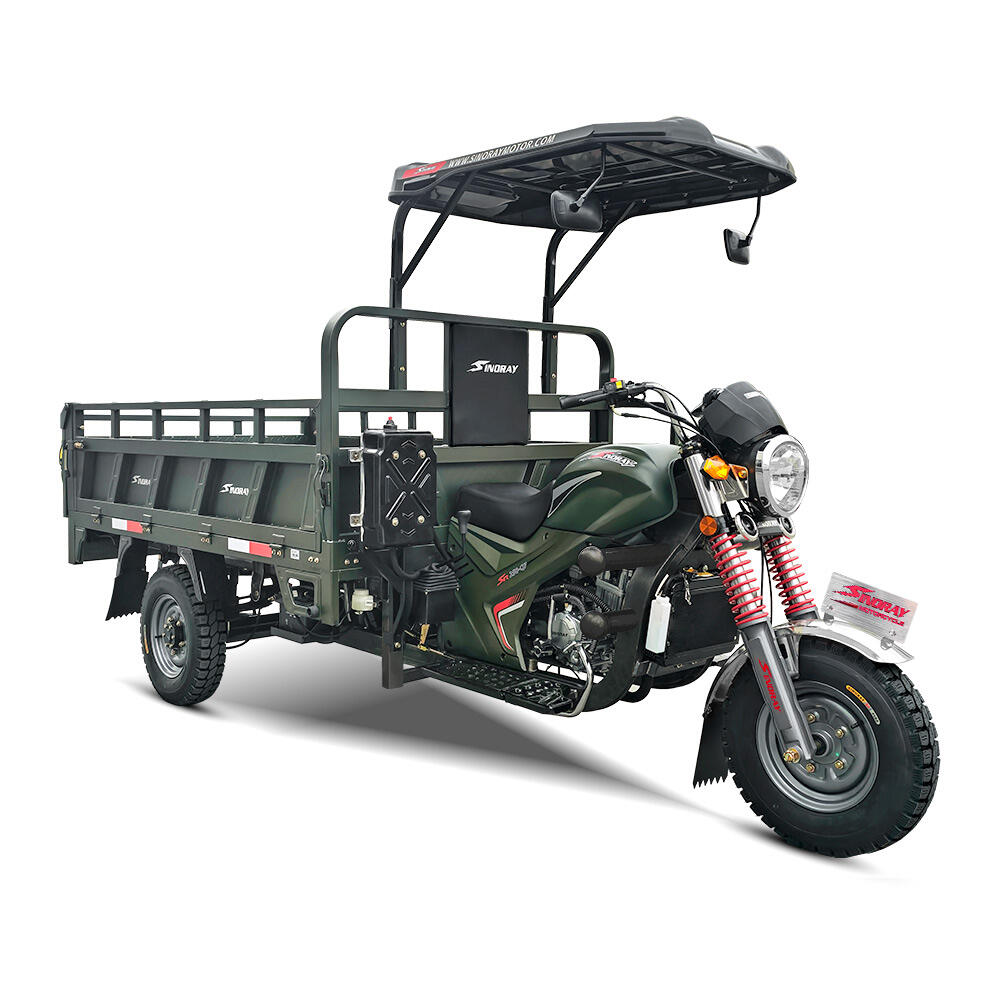
The cost-effectiveness of heavy-duty cargo tricycles stems from their unique combination of low acquisition costs, minimal operational expenses, and exceptional versatility in urban environments. These vehicles typically require significantly lower initial investment compared to traditional delivery trucks, while their fuel-efficient engines and reduced maintenance requirements create substantial long-term savings. Understanding the specific factors that make heavy-duty cargo tricycles the most economical choice for urban logistics requires examining their operational advantages, financial benefits, and practical applications across various delivery scenarios.
Operational Cost Advantages of Heavy-Duty Cargo Tricycles
Fuel Efficiency and Energy Consumption Benefits
Heavy-duty cargo tricycles deliver exceptional fuel efficiency compared to conventional delivery vehicles, often achieving 40-60 miles per gallon depending on engine specifications and load conditions. This remarkable fuel economy translates directly into reduced operational costs, particularly important as fuel prices continue fluctuating in urban markets. The lightweight design and optimized engine performance of heavy-duty cargo tricycles ensure maximum energy utilization, making them ideal for businesses operating multiple daily delivery routes.
The compact engine systems in heavy-duty cargo tricycles require less fuel to generate adequate power for urban delivery tasks, while their aerodynamic profiles reduce wind resistance during city driving. Many modern heavy-duty cargo tricycles incorporate advanced fuel injection systems and efficient combustion technologies that further enhance their cost-effectiveness. Businesses utilizing these vehicles typically report 40-60% reduction in fuel costs compared to traditional delivery trucks, creating substantial monthly savings that accumulate into significant annual operational benefits.
Maintenance and Service Cost Reductions
The simplified mechanical design of heavy-duty cargo tricycles results in dramatically lower maintenance costs compared to complex four-wheel delivery vehicles. These vehicles feature fewer moving parts, simpler transmission systems, and accessible engine compartments that facilitate routine maintenance procedures. Regular service requirements for heavy-duty cargo tricycles typically include basic oil changes, tire rotations, and periodic inspections that cost significantly less than comprehensive truck maintenance programs.
Parts availability and replacement costs for heavy-duty cargo tricycles remain consistently affordable, as their standardized components are widely manufactured and readily accessible through established supply chains. The robust construction of quality heavy-duty cargo tricycles ensures extended service life with minimal major repairs, while their modular design allows for cost-effective component replacements when necessary. Businesses often discover that annual maintenance expenses for heavy-duty cargo tricycles amount to 30-50% less than equivalent truck maintenance costs, further enhancing their overall cost-effectiveness.
Initial Investment and Acquisition Economics
Purchase Price Comparisons and Financing Options
The acquisition cost of heavy-duty cargo tricycles represents a fraction of traditional delivery vehicle prices, making them accessible to businesses with limited capital budgets. Quality heavy-duty cargo tricycles typically cost 60-80% less than comparable cargo capacity trucks, allowing companies to expand their delivery fleets without substantial financial strain. This lower entry barrier enables small and medium-sized businesses to establish professional logistics operations that would otherwise require prohibitive initial investments.
Financing options for heavy-duty cargo tricycles often include flexible payment terms, reduced down payment requirements, and favorable interest rates that reflect their lower risk profile for lenders. Many suppliers offer lease programs and rent-to-own arrangements that further reduce upfront costs while providing immediate access to delivery capabilities. The rapid depreciation typical of larger commercial vehicles affects heavy-duty cargo tricycles less severely, helping preserve their resale value and total cost of ownership advantages.
Insurance and Registration Cost Benefits
Insurance premiums for heavy-duty cargo tricycles remain significantly lower than those required for larger commercial delivery vehicles, reflecting their reduced accident severity potential and lower repair costs. Most insurance providers classify heavy-duty cargo tricycles as lower-risk vehicles due to their stability features, slower operating speeds, and enhanced maneuverability in urban environments. This classification translates into substantial annual savings on commercial vehicle insurance policies.
Registration fees and licensing requirements for heavy-duty cargo tricycles often fall into more affordable categories compared to commercial trucks, depending on local regulations and weight classifications. Many jurisdictions recognize the environmental and traffic benefits of heavy-duty cargo tricycles and offer reduced registration costs or expedited processing procedures. The simplified documentation requirements for operating heavy-duty cargo tricycles also reduce administrative costs and compliance complexities for businesses.
Urban Accessibility and Operational Flexibility
Navigation Advantages in Congested Areas
Heavy-duty cargo tricycles excel in navigating narrow streets, crowded marketplaces, and restricted urban zones where larger delivery vehicles cannot operate efficiently or legally. Their compact dimensions allow access to residential areas, pedestrian zones, and loading areas with size restrictions, expanding potential delivery routes and customer reach. This enhanced accessibility translates into cost savings by eliminating the need for alternative delivery arrangements or last-mile transfer operations.
The superior maneuverability of heavy-duty cargo tricycles enables drivers to optimize delivery routes, reduce travel distances, and minimize fuel consumption through efficient navigation of urban traffic patterns. These vehicles can utilize shortcuts, alternative routes, and parking opportunities unavailable to larger commercial vehicles, resulting in faster delivery times and reduced operational costs. The ability to operate in areas with vehicle restrictions also eliminates potential fines and regulatory compliance issues that affect larger delivery fleets.
Parking and Storage Efficiency
The compact footprint of heavy-duty cargo tricycles significantly reduces parking costs and storage requirements compared to traditional delivery vehicles. These vehicles can utilize smaller parking spaces, residential driveways, and compact storage facilities that would be inadequate for larger commercial trucks. This space efficiency translates into reduced facility costs, lower parking fees, and greater flexibility in establishing distribution points throughout urban areas.
Many businesses discover that heavy-duty cargo tricycles can be stored in existing warehouse spaces, garages, or covered areas without requiring expensive commercial vehicle storage facilities. The reduced space requirements also enable companies to maintain larger fleets within existing facilities, supporting business expansion without additional real estate investments. This storage flexibility contributes significantly to the overall cost-effectiveness of heavy-duty cargo tricycles in urban logistics operations.
Labor and Operational Efficiency Benefits
Driver Training and Licensing Requirements
Operating heavy-duty cargo tricycles typically requires standard driver's licenses rather than commercial driving licenses, reducing training costs and expanding the available driver pool for businesses. This simplified licensing requirement eliminates expensive commercial driver training programs and ongoing certification maintenance costs associated with operating larger commercial vehicles. The intuitive operation of heavy-duty cargo tricycles also reduces training time for new drivers, minimizing labor costs during employee onboarding.
The stability and user-friendly controls of quality heavy-duty cargo tricycles make them suitable for drivers with varying experience levels, reducing the premium wages often required for specialized commercial vehicle operators. This broader driver availability helps businesses maintain consistent delivery operations while controlling labor costs. The reduced physical demands of operating heavy-duty cargo tricycles also contribute to lower driver fatigue, improved safety records, and reduced insurance claims.
Loading and Unloading Efficiency
The ergonomic design of heavy-duty cargo tricycles facilitates efficient loading and unloading operations, reducing labor time and physical strain on delivery personnel. Most heavy-duty cargo tricycles feature low cargo bed heights, easy-access tailgates, and optimized cargo space configurations that streamline package handling procedures. This efficiency translates into faster delivery cycles, reduced labor costs per delivery, and improved driver productivity throughout daily operations.
The versatile cargo space design of heavy-duty cargo tricycles accommodates various package sizes and delivery requirements without requiring specialized loading equipment or additional personnel. This flexibility eliminates costs associated with mechanical lifts, loading docks, or multiple handling steps common with larger delivery vehicles. The time savings achieved through efficient loading procedures enable drivers to complete more deliveries per shift, directly improving the cost-effectiveness of delivery operations.
Environmental Compliance and Incentive Opportunities
Emission Standards and Regulatory Benefits
Modern heavy-duty cargo tricycles meet stringent emission standards while producing significantly lower environmental impact compared to traditional delivery trucks, helping businesses comply with increasingly strict urban environmental regulations. Many cities offer preferential treatment, reduced fees, or extended operating permits for low-emission delivery vehicles like heavy-duty cargo tricycles. These regulatory advantages translate into direct cost savings and operational flexibility that enhance overall business profitability.
The environmental performance of heavy-duty cargo tricycles positions businesses favorably for future regulatory changes and emission zone restrictions that may affect larger commercial vehicles. This forward-thinking approach helps companies avoid potential restrictions, fines, or operational limitations while maintaining cost-effective delivery capabilities. The proactive adoption of environmentally friendly heavy-duty cargo tricycles also supports corporate sustainability initiatives that may attract environmentally conscious customers and business partners.
Government Incentives and Tax Benefits
Many governments offer financial incentives, tax credits, or depreciation benefits for businesses adopting environmentally friendly commercial vehicles like heavy-duty cargo tricycles. These programs recognize the social and environmental benefits of reducing urban traffic congestion and air pollution through sustainable logistics solutions. The available incentives can substantially reduce the effective acquisition cost of heavy-duty cargo tricycles, further enhancing their cost-effectiveness proposition.
Tax advantages associated with heavy-duty cargo tricycles may include accelerated depreciation schedules, reduced vehicle taxes, or operational expense deductions that improve overall business financial performance. Some jurisdictions provide grants or subsidized financing programs specifically designed to encourage adoption of efficient urban delivery solutions. These financial benefits compound the inherent cost advantages of heavy-duty cargo tricycles, creating compelling economic incentives for businesses considering fleet investments.
FAQ
How much can businesses save annually by switching to heavy-duty cargo tricycles?
Businesses typically save 40-70% on annual operational costs when switching from traditional delivery trucks to heavy-duty cargo tricycles, depending on usage patterns and local operating conditions. These savings come from reduced fuel consumption, lower maintenance requirements, decreased insurance premiums, and eliminated parking fees. Most companies report complete cost recovery within 12-18 months of implementation, followed by sustained annual savings that significantly improve profitability.
What payload capacity do heavy-duty cargo tricycles offer compared to delivery trucks?
Quality heavy-duty cargo tricycles typically offer payload capacities ranging from 300-800 kilograms, making them suitable for most urban delivery applications including package delivery, food distribution, and retail logistics. While this capacity is lower than large delivery trucks, the efficiency and accessibility advantages of heavy-duty cargo tricycles often result in higher delivery productivity per dollar invested, especially for high-frequency, small-to-medium load urban routes.
Are heavy-duty cargo tricycles suitable for year-round operation in various weather conditions?
Modern heavy-duty cargo tricycles feature weather-resistant construction, enclosed cargo areas, and climate-appropriate design elements that enable reliable year-round operation in most urban environments. Many models include optional weather protection accessories, heating systems, and enhanced traction features for challenging conditions. The robust engineering of quality heavy-duty cargo tricycles ensures consistent performance across seasons while maintaining their cost-effectiveness advantages throughout the year.
What maintenance schedule is recommended for heavy-duty cargo tricycles?
Heavy-duty cargo tricycles typically require basic maintenance every 1,000-2,000 miles including oil changes, filter replacements, and routine inspections, with major service intervals occurring every 5,000-10,000 miles depending on usage intensity. The simplified maintenance requirements contribute significantly to their cost-effectiveness, as most routine procedures can be performed quickly and affordably at standard automotive service centers rather than specialized commercial vehicle facilities.
Table of Contents
- Operational Cost Advantages of Heavy-Duty Cargo Tricycles
- Initial Investment and Acquisition Economics
- Urban Accessibility and Operational Flexibility
- Labor and Operational Efficiency Benefits
- Environmental Compliance and Incentive Opportunities
-
FAQ
- How much can businesses save annually by switching to heavy-duty cargo tricycles?
- What payload capacity do heavy-duty cargo tricycles offer compared to delivery trucks?
- Are heavy-duty cargo tricycles suitable for year-round operation in various weather conditions?
- What maintenance schedule is recommended for heavy-duty cargo tricycles?