 EN
EN

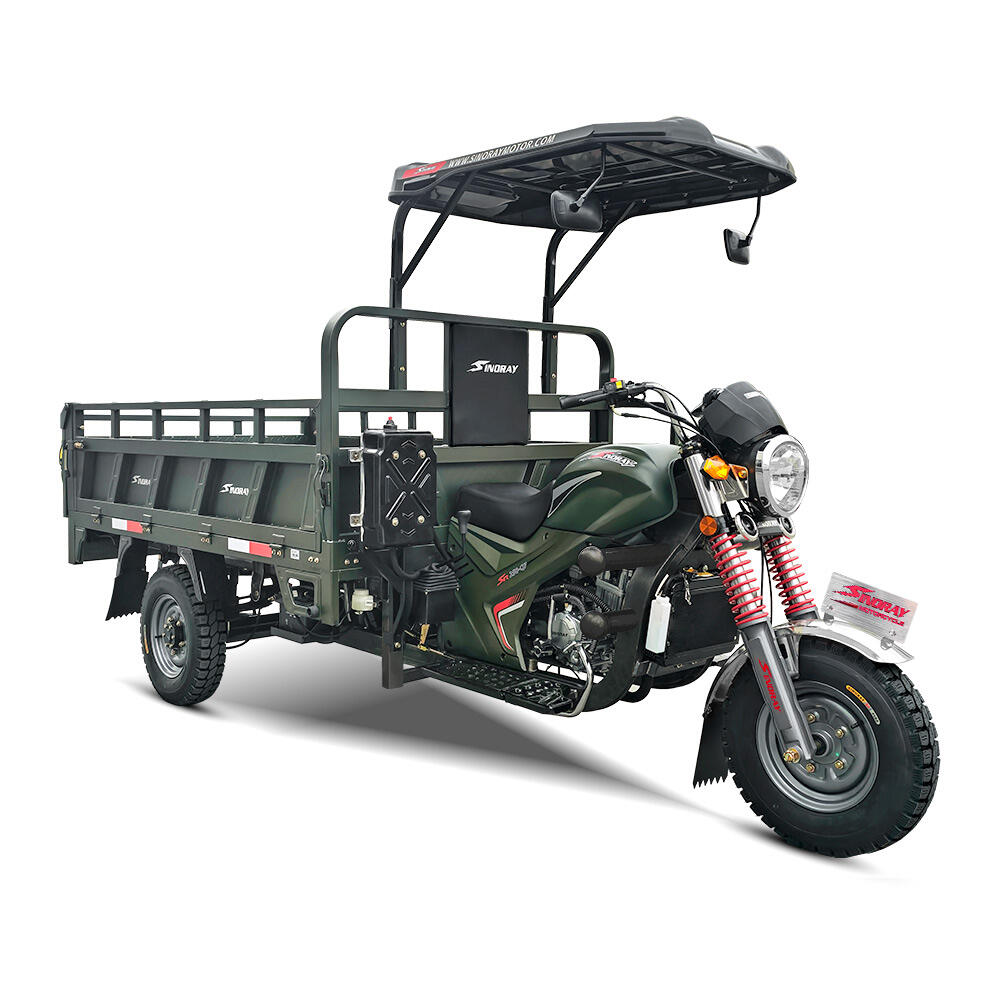
Urban logistics face unprecedented challenges as cities become increasingly crowded and environmental regulations tighten. Traditional delivery vehicles struggle to navigate narrow streets, face parking restrictions, and contribute significantly to urban pollution. In this context, a cargo tricycle emerges as an innovative solution that addresses multiple urban delivery challenges simultaneously. These three-wheeled vehicles combine the stability of four-wheeled vehicles with the maneuverability of two-wheeled alternatives, creating an optimal balance for urban goods transportation. The growing adoption of cargo tricycle solutions across major metropolitan areas demonstrates their effectiveness in modern logistics operations.
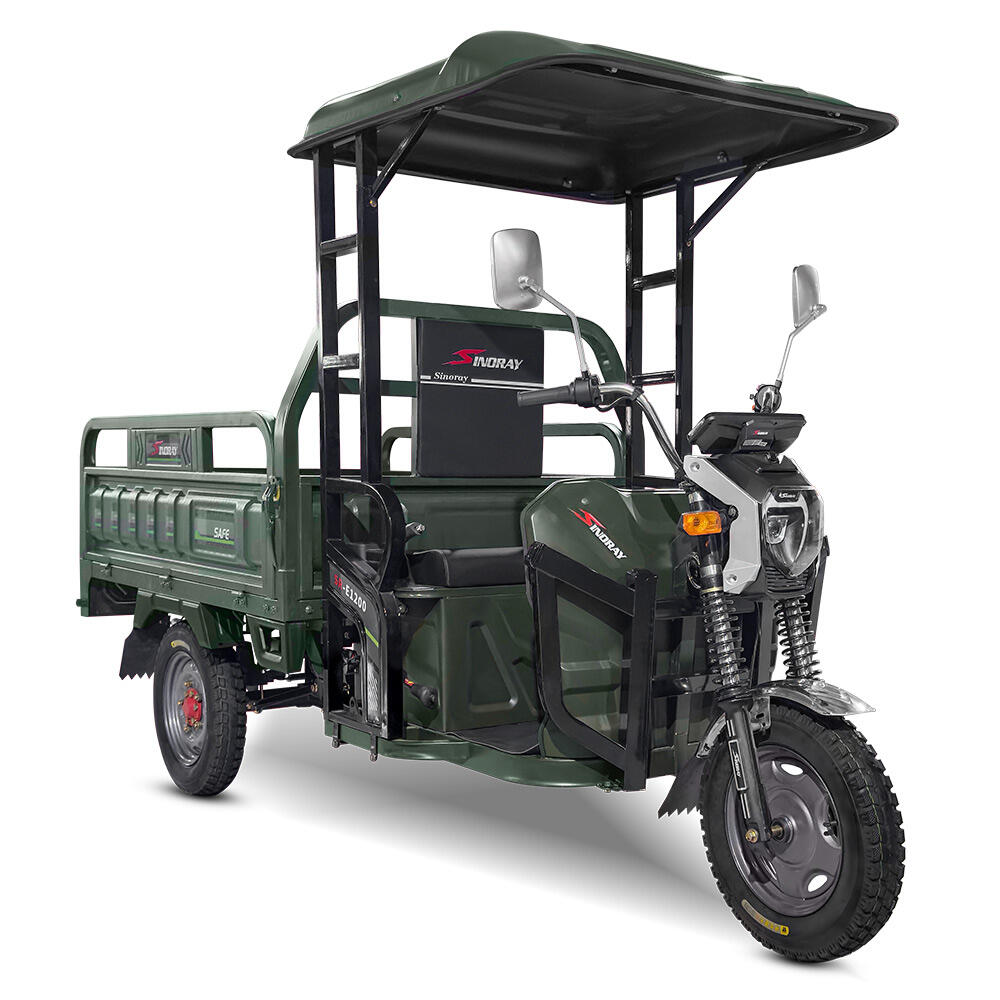
Urban Mobility Advantages of Three-Wheeled Cargo Solutions
Enhanced Maneuverability in Dense Traffic Conditions
The compact design of a cargo tricycle provides exceptional maneuverability compared to traditional delivery trucks. These vehicles can navigate through congested urban streets where larger vehicles face significant challenges. The narrow profile allows operators to utilize bike lanes and alternative routes that are inaccessible to conventional delivery vehicles. This enhanced mobility translates directly into reduced delivery times and improved operational efficiency. Urban planners increasingly recognize cargo tricycle systems as essential components of sustainable city logistics frameworks.
Traffic congestion costs urban economies billions of dollars annually through delayed deliveries and increased fuel consumption. A cargo tricycle can bypass traditional traffic bottlenecks by utilizing dedicated cycling infrastructure and accessing areas with vehicle restrictions. This capability becomes particularly valuable during peak traffic hours when conventional delivery vehicles experience significant delays. The ability to maintain consistent delivery schedules regardless of traffic conditions provides businesses with reliable logistics solutions that enhance customer satisfaction and operational predictability.
Parking and Loading Zone Accessibility
Urban parking restrictions pose significant challenges for traditional delivery vehicles, often requiring drivers to park illegally or walk considerable distances with packages. A cargo tricycle eliminates these challenges by requiring minimal parking space and accessing areas where larger vehicles cannot operate. The compact footprint allows operators to park directly adjacent to delivery locations, reducing handling time and physical strain on workers. This proximity advantage becomes particularly important for businesses operating in historic city centers or densely developed commercial districts.
Loading zones in urban areas are increasingly limited and expensive, creating operational challenges for businesses relying on traditional delivery methods. Cargo tricycle operations can utilize alternative loading strategies that do not depend on dedicated commercial loading zones. The flexibility to load and unload in various locations provides businesses with operational advantages that translate into cost savings and improved service reliability. This adaptability makes cargo tricycle solutions particularly attractive for businesses operating in areas with limited infrastructure or restrictive parking regulations.
Load Capacity and Cargo Configuration Benefits
Optimized Weight Distribution for Heavy Goods Transport
The three-wheel configuration of a cargo tricycle provides superior stability for carrying heavy loads compared to two-wheeled alternatives. The weight distribution across three contact points creates a stable platform that can handle substantial cargo without compromising safety or handling characteristics. This stability advantage becomes particularly important when transporting fragile or valuable goods that require careful handling during transport. The low center of gravity inherent in cargo tricycle design further enhances stability during loading, unloading, and transportation operations.
Professional cargo tricycle models can typically handle loads ranging from 200 to 1000 kilograms, depending on specific design specifications and intended applications. This capacity range covers the majority of urban delivery requirements while maintaining the maneuverability advantages that make these vehicles attractive for city operations. The ability to carry substantial loads while navigating congested urban environments makes cargo tricycle solutions competitive with larger delivery vehicles for many applications. Businesses can optimize their logistics operations by matching cargo tricycle capacity with specific delivery requirements.
Versatile Cargo Compartment Designs
Modern cargo tricycle designs offer various cargo compartment configurations to accommodate different types of goods and business requirements. Enclosed cargo boxes protect weather-sensitive items while providing security for valuable merchandise. Open platform designs maximize load capacity for bulky items that do not require protection from environmental conditions. Refrigerated compartments enable temperature-controlled transportation for food and pharmaceutical products, expanding the range of applications for cargo tricycle operations.
Customizable cargo compartments allow businesses to optimize their cargo tricycle for specific operational requirements. Modular designs enable operators to reconfigure cargo spaces based on daily delivery needs, maximizing vehicle utilization across different types of loads. This flexibility reduces the need for multiple specialized vehicles and improves overall fleet efficiency. The ability to adapt cargo configurations for different applications makes cargo tricycle solutions particularly attractive for small businesses and startups with diverse delivery requirements.
Environmental Impact and Sustainability Considerations
Reduced Carbon Footprint in Urban Logistics
Electric cargo tricycle models produce zero direct emissions, contributing to improved urban air quality and reduced greenhouse gas emissions from logistics operations. The environmental benefits become particularly significant when considering the cumulative impact of multiple delivery vehicles operating in dense urban areas. Cities worldwide are implementing low-emission zones and environmental regulations that favor clean transportation solutions like electric cargo tricycle systems. These regulatory trends create long-term advantages for businesses adopting sustainable delivery methods.
The energy efficiency of cargo tricycle operations significantly exceeds traditional delivery vehicles when measured on a per-kilogram-delivered basis. Electric motors provide high efficiency and instant torque characteristics that are ideal for stop-and-go urban delivery operations. Regenerative braking systems in advanced cargo tricycle models recover energy during deceleration, further improving overall efficiency. The combination of reduced energy consumption and zero emissions makes cargo tricycle solutions attractive for businesses committed to environmental sustainability.
Noise Pollution Reduction Benefits
Urban noise pollution significantly impacts quality of life and public health in dense metropolitan areas. Electric cargo tricycle operations produce minimal noise compared to diesel delivery trucks, contributing to quieter urban environments. This characteristic enables early morning and late evening deliveries without disturbing residents, extending operational windows and improving logistics flexibility. The reduced noise footprint makes cargo tricycle operations welcome in residential areas and noise-sensitive commercial districts.
Sound pollution from commercial vehicles creates stress for urban residents and contributes to various health issues associated with chronic noise exposure. A cargo tricycle operating on electric power produces sound levels comparable to ambient urban background noise, effectively eliminating transportation-related noise pollution. This benefit becomes particularly important for businesses operating in tourist areas, residential neighborhoods, or near hospitals and schools where noise reduction is essential for community relations and regulatory compliance.
Economic Advantages for Business Operations
Reduced Operating Costs and Maintenance Requirements
The operating costs of cargo tricycle systems are significantly lower than traditional delivery vehicles across multiple expense categories. Fuel or electricity costs per kilometer are substantially reduced due to the improved efficiency of electric motors and reduced vehicle weight. Insurance costs are typically lower for cargo tricycle operations due to reduced accident severity and lower vehicle values. Registration and licensing fees are often reduced for three-wheeled vehicles compared to commercial trucks, providing ongoing cost advantages.
Maintenance requirements for cargo tricycle systems are generally less complex and expensive than traditional delivery vehicles. Electric drivetrains have fewer moving parts than internal combustion engines, reducing the frequency and cost of routine maintenance. The simplified mechanical systems in cargo tricycle designs enable businesses to perform basic maintenance with standard tools and minimal specialized training. This maintenance advantage reduces vehicle downtime and enables businesses to maintain higher fleet availability rates without requiring extensive maintenance infrastructure.
Initial Investment and Return on Investment Considerations
The initial purchase price of a cargo tricycle is typically significantly lower than conventional delivery trucks, reducing the capital investment required to establish or expand delivery operations. This lower barrier to entry enables small businesses and startups to access professional delivery capabilities without substantial capital requirements. Financing options for cargo tricycle purchases are often more accessible than commercial truck financing, further reducing barriers to adoption for small and medium-sized enterprises.
The return on investment for cargo tricycle operations can be achieved more quickly than traditional delivery vehicles due to the combination of lower initial costs and reduced operating expenses. Businesses typically recover their cargo tricycle investment within two to three years through operational savings and improved delivery efficiency. The rapid payback period makes cargo tricycle solutions attractive for businesses seeking to improve their logistics capabilities without long-term financial commitments. Government incentives for clean transportation solutions can further improve the financial attractiveness of cargo tricycle investments.
Technology Integration and Smart Features
GPS Tracking and Route Optimization Systems
Modern cargo tricycle systems integrate advanced GPS tracking and route optimization technologies that enhance operational efficiency and customer service. Real-time location tracking enables businesses to provide accurate delivery windows and respond quickly to customer inquiries. Route optimization software calculates the most efficient delivery sequences, reducing travel time and energy consumption while maximizing the number of deliveries per operational shift. These technological capabilities transform cargo tricycle operations into sophisticated logistics solutions.
Fleet management systems designed for cargo tricycle operations provide detailed analytics on vehicle performance, driver behavior, and delivery efficiency. This data enables businesses to optimize their operations continuously and identify opportunities for improvement. Predictive maintenance alerts help prevent breakdowns and reduce unexpected repair costs. The integration of technology in cargo tricycle systems enables small businesses to access enterprise-level logistics capabilities that were previously available only to large corporations with substantial technology investments.
Battery Management and Charging Infrastructure
Advanced battery management systems in electric cargo tricycle models optimize energy utilization and extend battery life through intelligent charging and discharge cycles. These systems monitor battery health and provide predictive information about replacement requirements, enabling businesses to plan maintenance schedules effectively. Smart charging capabilities allow operators to schedule charging during off-peak electricity hours, reducing energy costs and minimizing grid impact. The sophistication of modern battery technology makes electric cargo tricycle operations practical for demanding commercial applications.
Charging infrastructure for cargo tricycle operations is less complex and expensive than larger electric vehicles, enabling businesses to establish charging capabilities without substantial infrastructure investments. Standard electrical outlets can often accommodate cargo tricycle charging requirements, eliminating the need for specialized high-power charging installations. Mobile charging solutions and battery swapping systems provide operational flexibility for businesses with high-utilization requirements. The accessibility of charging infrastructure reduces barriers to adoption and enables businesses to implement cargo tricycle solutions without extensive facility modifications.
FAQ
What is the typical payload capacity of a cargo tricycle for urban deliveries
Most commercial cargo tricycle models can handle payloads between 200 to 1000 kilograms, depending on the specific design and intended application. Electric models typically offer payload capacities in the 300-600 kilogram range while maintaining good maneuverability and battery life. The actual usable capacity depends on cargo density, distribution, and local regulations governing three-wheeled commercial vehicles.
How does the operating range of electric cargo tricycle systems compare to traditional delivery vehicles
Electric cargo tricycle systems typically provide operating ranges between 60 to 150 kilometers per charge, which covers most urban delivery requirements within a single operational shift. The actual range depends on payload weight, terrain, weather conditions, and driving patterns. This range capability is generally sufficient for urban logistics operations where delivery routes are concentrated within metropolitan areas and charging can occur overnight.
What maintenance requirements should businesses expect with cargo tricycle operations
Cargo tricycle maintenance requirements are generally less complex than traditional delivery vehicles, focusing primarily on tire maintenance, brake adjustments, and battery care for electric models. Routine maintenance includes checking tire pressure, lubricating moving parts, and monitoring battery health. Most maintenance tasks can be performed with standard tools and basic mechanical knowledge, reducing the need for specialized service facilities and enabling businesses to minimize vehicle downtime.
Are there specific licensing or regulatory requirements for operating cargo tricycle vehicles commercially
Licensing requirements for cargo tricycle operations vary by jurisdiction, but many locations classify these vehicles similarly to motorcycles or light commercial vehicles. Operators typically need appropriate driving licenses and commercial vehicle registration where applicable. Some cities offer simplified permitting processes for low-emission delivery vehicles, including cargo tricycle systems. Businesses should verify local regulations and obtain necessary permits before implementing cargo tricycle operations to ensure compliance with applicable laws and insurance requirements.
Table of Contents
- Urban Mobility Advantages of Three-Wheeled Cargo Solutions
- Load Capacity and Cargo Configuration Benefits
- Environmental Impact and Sustainability Considerations
- Economic Advantages for Business Operations
- Technology Integration and Smart Features
-
FAQ
- What is the typical payload capacity of a cargo tricycle for urban deliveries
- How does the operating range of electric cargo tricycle systems compare to traditional delivery vehicles
- What maintenance requirements should businesses expect with cargo tricycle operations
- Are there specific licensing or regulatory requirements for operating cargo tricycle vehicles commercially