 EN
EN

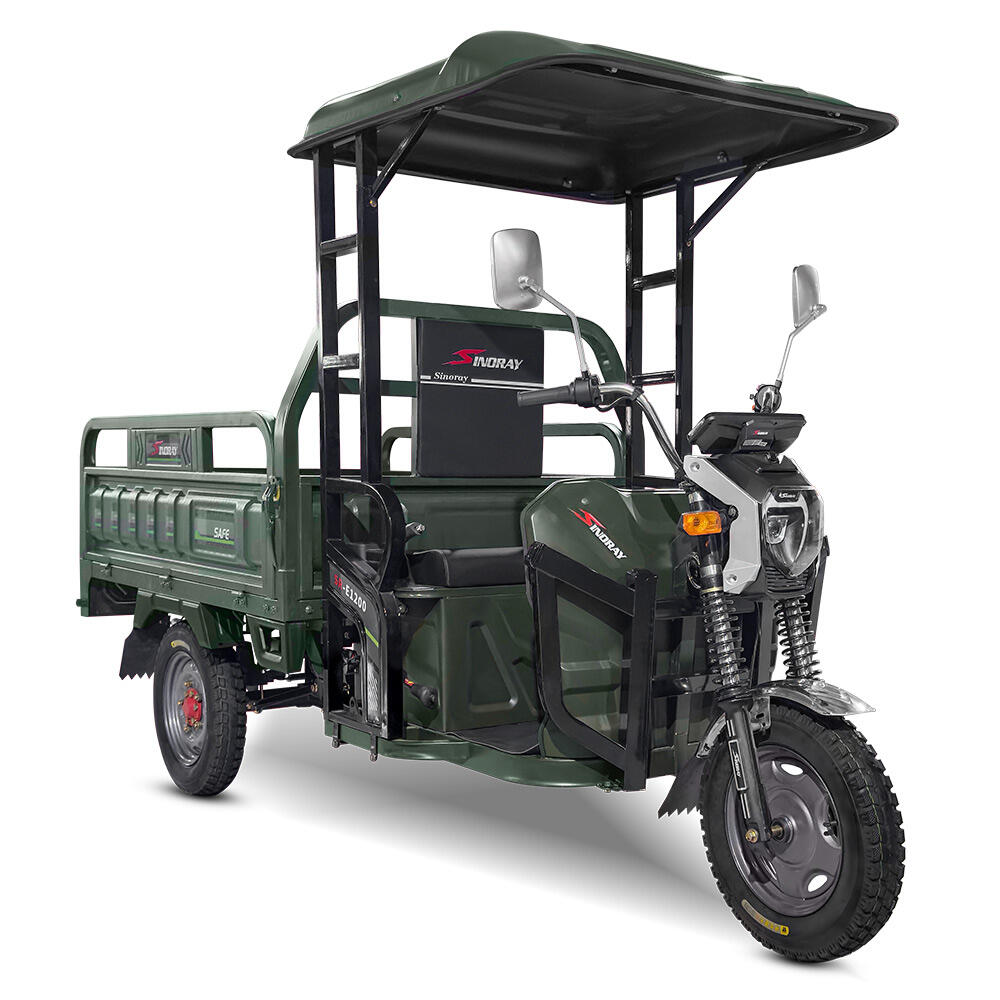
The modern business landscape demands versatile transportation solutions that can adapt to diverse needs while maintaining cost-effectiveness and environmental responsibility. A cargo tricycle emerges as an innovative solution that bridges the gap between traditional delivery methods and contemporary logistics requirements. These three-wheeled vehicles offer exceptional maneuverability in urban environments while providing substantial cargo capacity for small businesses and families alike. The growing popularity of cargo tricycle options reflects their ability to address multiple transportation challenges with a single, efficient vehicle design.
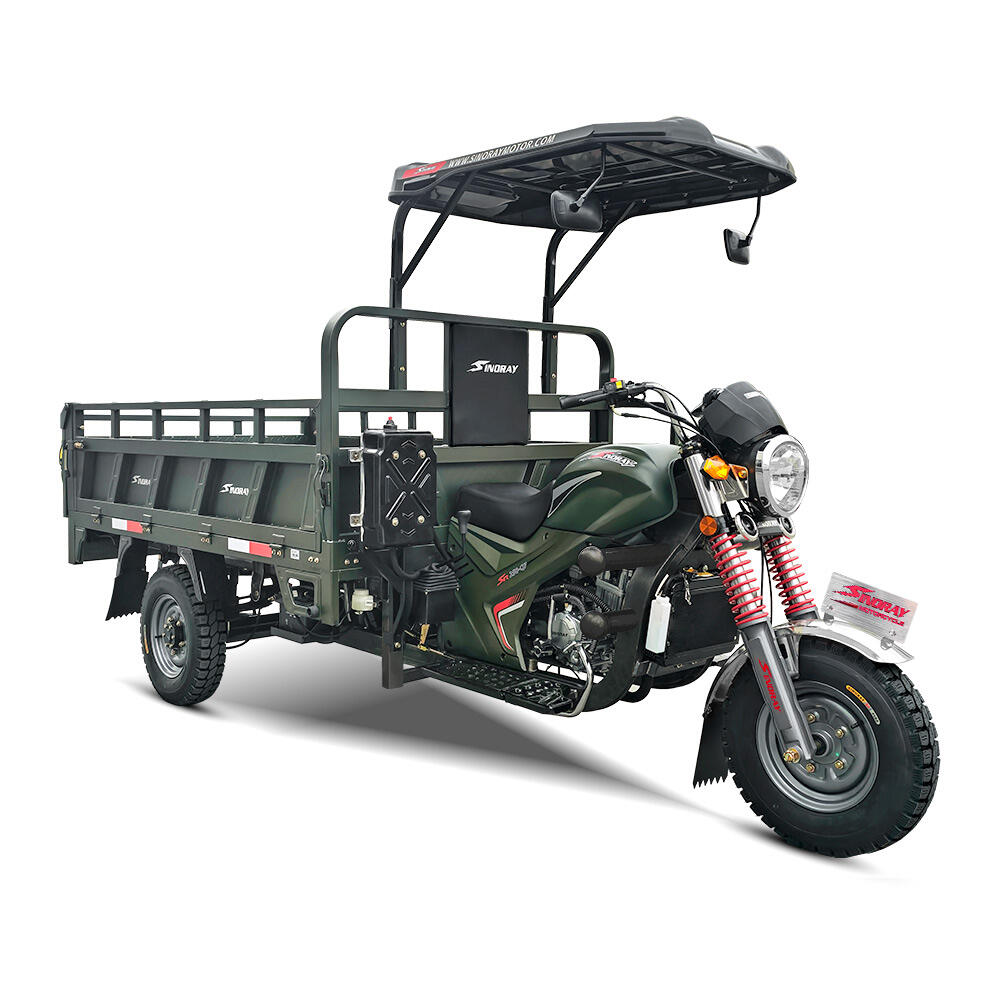
Understanding the Versatility of Modern Cargo Tricycles
Design Features That Enhance Functionality
Contemporary cargo tricycle models incorporate advanced engineering principles that maximize both stability and carrying capacity. The three-wheel configuration provides superior balance compared to traditional two-wheeled motorcycles, especially when loaded with heavy cargo. This design advantage becomes particularly evident during loading and unloading operations, where the vehicle remains stable without requiring additional support. The extended wheelbase typical of cargo tricycle designs contributes to enhanced ride comfort and improved weight distribution across the chassis.
Modern cargo tricycle variants feature reinforced cargo beds constructed from durable materials that resist corrosion and impact damage. These cargo areas are often designed with removable sides or configurable partitions, allowing users to adapt the space for different types of loads. Weather protection systems, including canvas covers or hard tops, ensure that transported goods remain secure and dry regardless of environmental conditions. The integration of LED lighting systems and reflective materials enhances visibility and safety during nighttime operations.
Power Systems and Performance Characteristics
Electric cargo tricycle models have gained significant traction in the market due to their environmental benefits and operational cost advantages. These vehicles typically feature high-capacity lithium-ion battery systems that provide extended range capabilities suitable for full-day operations. The electric drivetrain delivers instant torque, making it easier to accelerate with heavy loads and navigate steep inclines. Regenerative braking systems help extend battery life while providing consistent stopping power even when fully loaded.
Gasoline-powered cargo tricycle options continue to serve specific market segments where extended range or rapid refueling capabilities are essential. These models often feature efficient single-cylinder engines optimized for low-speed, high-torque applications. The mechanical simplicity of these powertrains makes them particularly suitable for areas with limited electrical infrastructure or where maintenance resources may be constrained. Hybrid systems are also emerging, combining the benefits of both electric and combustion power sources.
Small Business Applications and Commercial Benefits
Last-Mile Delivery Solutions
The cargo tricycle represents an ideal solution for last-mile delivery challenges faced by e-commerce businesses and local retailers. These vehicles can navigate narrow streets and congested urban areas where larger delivery trucks struggle to operate efficiently. The compact footprint allows for easy parking in loading zones or customer driveways, reducing the time required for each delivery stop. Many businesses find that cargo tricycle operations result in faster delivery times and improved customer satisfaction rates.
Small package delivery services benefit significantly from the organizational capabilities built into modern cargo tricycle designs. Compartmentalized cargo areas allow drivers to sort packages efficiently, reducing the time spent searching for specific items during delivery routes. The weather-resistant construction protects packages from environmental damage, potentially reducing insurance costs and customer complaints. GPS tracking systems integrated into many cargo tricycle models enable real-time monitoring of delivery progress and route optimization.
Food Service and Mobile Retail Operations
Mobile food vendors have discovered that cargo tricycle platforms provide excellent foundations for portable restaurant operations. The stable three-wheel design can support the weight of cooking equipment, refrigeration units, and ingredient storage systems while maintaining maneuverability in crowded environments. Many food service operators appreciate the ability to quickly set up and break down their mobile operations, allowing them to serve multiple locations throughout a single day.
Retail businesses specializing in fresh produce, flowers, or artisanal goods find that cargo tricycle operations enable them to reach customers directly in residential neighborhoods or business districts. The open cargo design allows for attractive product displays that can attract impulse purchases from passing pedestrians. The relatively low operating costs associated with cargo tricycle operations make it economically feasible for small businesses to serve markets that might not support traditional retail storefronts.
Family Transportation and Personal Use Applications
Multi-Purpose Family Vehicle Solutions
Modern families increasingly recognize the cargo tricycle as a practical alternative to traditional passenger vehicles for specific transportation needs. The spacious cargo area can accommodate multiple children, sports equipment, groceries, or camping supplies while providing protection from weather elements. Safety features such as seat belts, roll bars, and impact-resistant construction ensure that family members remain secure during transport operations.
Rural families particularly appreciate the versatility that cargo tricycle ownership provides for managing agricultural or homesteading activities. These vehicles can transport feed, tools, harvested crops, or livestock with equal efficiency. The ability to access narrow farm roads or navigate through orchards and gardens makes the cargo tricycle an invaluable tool for property management. Many families find that a single cargo tricycle can replace multiple specialized vehicles for different agricultural tasks.
Recreational and Adventure Applications
Adventure enthusiasts have discovered that cargo tricycle designs excel at supporting outdoor recreational activities. The substantial cargo capacity can accommodate camping gear, fishing equipment, bicycles, or water sports accessories for family outings. The rugged construction typical of cargo tricycle models enables off-road exploration while maintaining the comfort and convenience of a fully enclosed vehicle.
Many families use their cargo tricycle for weekend market visits, purchasing large quantities of fresh produce or bulk goods that would be difficult to transport in conventional passenger cars. The easy loading height and wide cargo opening eliminate the back strain associated with lifting heavy items into high truck beds or cramped car trunks. The fuel efficiency of most cargo tricycle models makes these shopping trips economically attractive compared to larger vehicle alternatives.
Economic Advantages and Cost-Effectiveness
Initial Investment and Operating Costs
The purchase price of a cargo tricycle typically represents a fraction of the cost associated with traditional commercial vehicles or family transportation options. This lower barrier to entry makes cargo tricycle ownership accessible to small business owners and families operating on limited budgets. Financing options are often available through dealers or alternative lending sources, further reducing the initial financial commitment required for cargo tricycle acquisition.
Daily operating costs for cargo tricycle operations remain significantly lower than those associated with four-wheeled vehicles. Fuel consumption rates are typically excellent due to the reduced weight and efficient drivetrain design. Insurance premiums are often lower due to the reduced risk profile and lower replacement costs. Maintenance requirements are generally minimal, with many components designed for extended service intervals and easy replacement when necessary.
Revenue Generation Potential
Small businesses utilizing cargo tricycle operations often discover revenue opportunities that were previously unavailable with traditional vehicle fleets. The ability to serve dense urban markets or navigate challenging terrain opens new customer segments and geographic areas. The distinctive appearance of cargo tricycle vehicles can serve as mobile advertising platforms, increasing brand visibility and customer recognition throughout service areas.
Many cargo tricycle owners develop secondary income streams by offering specialized transportation services to their communities. Examples include moving assistance for apartment dwellers, equipment rental delivery, or seasonal services such as Christmas tree delivery. The versatility of the cargo tricycle platform enables entrepreneurs to adapt their services based on market demands and seasonal opportunities.
Environmental Impact and Sustainability Considerations
Emission Reduction Benefits
Electric cargo tricycle models produce zero direct emissions during operation, contributing to improved air quality in urban environments. This environmental advantage becomes particularly significant when considering the cumulative impact of multiple delivery vehicles operating in dense metropolitan areas. Many cities are implementing incentive programs or preferential treatment for zero-emission delivery vehicles, providing additional economic benefits for cargo tricycle operators.
Even gasoline-powered cargo tricycle models typically produce significantly lower emissions than comparable four-wheeled vehicles due to their reduced weight and efficient engine designs. The smaller displacement engines required for cargo tricycle operations consume less fuel and generate fewer pollutants per mile traveled. This environmental efficiency aligns with corporate sustainability goals and community environmental responsibility initiatives.
Resource Conservation and Lifecycle Impact
The manufacturing process for cargo tricycle production requires fewer raw materials and energy inputs compared to traditional automotive production. The simpler mechanical systems and reduced component count result in lower environmental impact during the production phase. Many cargo tricycle manufacturers are implementing sustainable production practices and utilizing recycled materials in their manufacturing processes.
End-of-life disposal considerations for cargo tricycle vehicles are generally more favorable than those associated with complex automotive systems. The mechanical simplicity and reduced electronic component count make recycling and component recovery more straightforward. Battery systems in electric cargo tricycle models can often be repurposed for stationary energy storage applications, extending their useful life beyond vehicle service.
Safety Features and Operational Considerations
Structural Safety and Protection Systems
Modern cargo tricycle designs incorporate comprehensive safety systems designed to protect both operators and cargo during normal operations. Reinforced frame construction provides impact resistance while maintaining reasonable weight characteristics. Roll-over protection systems, where applicable, ensure operator safety even in extreme operating conditions. Visibility enhancements such as elevated seating positions and wide-angle mirrors help operators maintain awareness of surrounding traffic and pedestrian activity.
Braking systems in contemporary cargo tricycle models often feature hydraulic disc brakes on all three wheels, providing consistent stopping power regardless of load conditions. Anti-lock braking systems are becoming increasingly common, preventing wheel lockup during emergency stopping situations. Load-sensing brake systems automatically adjust braking force distribution based on cargo weight, ensuring optimal performance regardless of loading conditions.
Operator Training and Licensing Requirements
Operating a cargo tricycle typically requires minimal additional training beyond standard motorcycle or automotive licensing requirements. The intuitive three-wheel design reduces the learning curve associated with balance and stability management. Many operators find that the enclosed cab design of cargo tricycle models provides a more familiar driving environment compared to open motorcycles or scooters.
Commercial cargo tricycle operations may require additional licensing or permits depending on local regulations and intended use applications. Business operators should research applicable commercial vehicle requirements and obtain necessary documentation before beginning operations. Insurance requirements may differ from personal vehicle policies, requiring specialized commercial coverage for business applications.
FAQ
What is the typical payload capacity of a cargo tricycle?
Most cargo tricycle models can accommodate payload capacities ranging from 300 to 1,000 pounds, depending on the specific design and intended application. Electric models may have slightly lower payload capacities due to battery weight, while gasoline-powered versions often maximize cargo capacity. The actual usable capacity also depends on cargo dimensions and weight distribution requirements for safe operation.
How does maintenance for a cargo tricycle compare to traditional vehicles?
Cargo tricycle maintenance requirements are generally less complex and expensive than traditional four-wheeled vehicles. The simpler mechanical systems require fewer specialized tools and less technical expertise for routine service procedures. Electric cargo tricycle models have even lower maintenance requirements due to the reduced number of moving parts in the drivetrain system.
What kind of weather conditions can a cargo tricycle handle safely?
Most cargo tricycle designs can operate safely in moderate weather conditions including light rain and mild snow. Enclosed cab models provide better weather protection for operators and cargo. Extreme weather conditions such as heavy snow, ice, or severe storms may require operational restrictions similar to those applied to motorcycles or other lightweight vehicles.
Are there financing options available for cargo tricycle purchases?
Many cargo tricycle dealers offer financing programs through partnerships with banks or alternative lending institutions. Small business loans may be available for commercial applications, while personal financing options exist for family use purchases. Lease programs are also becoming more common, allowing operators to access cargo tricycle benefits without large upfront investments.
Table of Contents
- Understanding the Versatility of Modern Cargo Tricycles
- Small Business Applications and Commercial Benefits
- Family Transportation and Personal Use Applications
- Economic Advantages and Cost-Effectiveness
- Environmental Impact and Sustainability Considerations
- Safety Features and Operational Considerations
- FAQ