 EN
EN

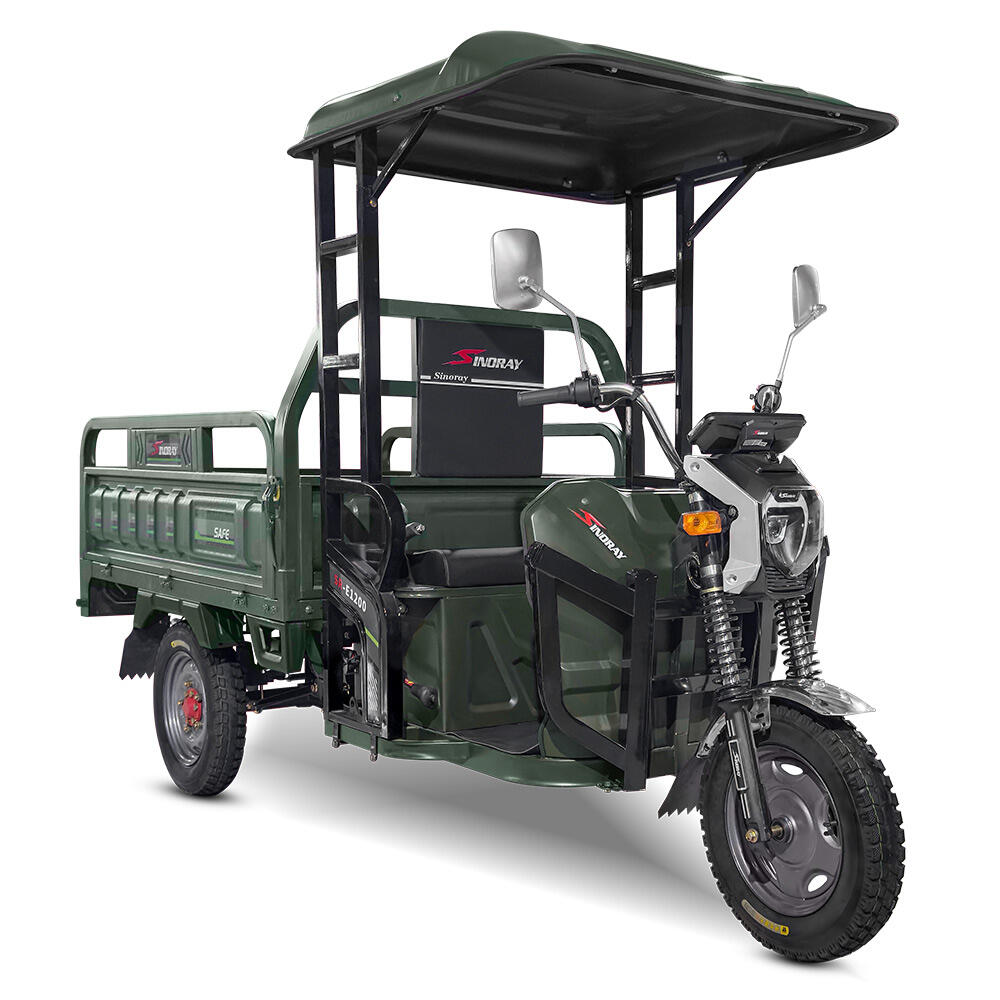
Urban logistics faces unprecedented challenges as cities grow denser and environmental concerns intensify. The rise of e-commerce has created an urgent need for sustainable last-mile delivery solutions that can navigate crowded streets while minimizing carbon footprints. Among the innovative vehicles transforming urban delivery, the cargo tricycle stands out as a versatile, eco-friendly alternative that addresses both environmental and operational concerns. These three-wheeled workhorses combine the maneuverability of bicycles with the carrying capacity necessary for commercial operations, making them increasingly popular among forward-thinking businesses and delivery services worldwide.
Environmental Impact and Sustainability Benefits
Zero Emission Operations
The most compelling advantage of implementing a cargo tricycle in urban delivery operations lies in its zero-emission profile when powered by electric motors or human pedaling. Unlike traditional delivery vans that contribute significantly to urban air pollution, these vehicles operate without producing harmful exhaust gases. This characteristic becomes particularly valuable in cities implementing low-emission zones or pursuing carbon neutrality goals. The environmental benefits extend beyond immediate emission reductions, as the manufacturing process of a cargo tricycle typically requires fewer resources and generates less environmental impact compared to conventional delivery vehicles.
Electric cargo tricycles further enhance environmental benefits by utilizing clean energy sources, especially when charged using renewable electricity. The reduced noise pollution associated with these vehicles contributes to quieter urban environments, addressing quality of life concerns in densely populated areas. As municipalities worldwide implement stricter environmental regulations, businesses adopting cargo tricycles position themselves advantageously for future compliance requirements while demonstrating corporate environmental responsibility.
Resource Efficiency and Circular Economy
The resource efficiency of cargo tricycles extends throughout their operational lifecycle, from manufacturing to maintenance and eventual disposal. These vehicles require significantly less raw materials during production compared to larger delivery trucks, resulting in lower embodied energy and reduced environmental impact. The simpler mechanical systems found in most cargo tricycles translate to longer service lives with proper maintenance, supporting circular economy principles through extended product lifecycles.
Maintenance requirements for cargo tricycles typically involve standard bicycle components and electric motor systems that are widely serviceable and recyclable. This accessibility reduces the need for specialized disposal facilities and promotes component reuse within local repair networks. The durability and repairability of quality cargo tricycles support sustainable business practices while reducing total cost of ownership for operators focused on long-term environmental stewardship.
Economic Advantages for Business Operations
Reduced Operating Costs
Operating a cargo tricycle presents substantial cost advantages over traditional delivery vehicles across multiple expense categories. Fuel costs become negligible for pedal-powered variants, while electric models consume minimal electricity compared to gasoline or diesel vehicles. Insurance premiums for cargo tricycles typically cost significantly less than commercial vehicle policies, and registration fees remain minimal in most jurisdictions. These ongoing operational savings accumulate substantially over time, improving profit margins for delivery services and mobile vendors.
Maintenance costs represent another area where cargo tricycles excel financially. The mechanical simplicity of three-wheeled designs reduces the complexity of repairs and routine maintenance procedures. Standard bicycle components used in many cargo tricycles can be serviced by local bike shops, eliminating the need for specialized commercial vehicle service centers. The absence of complex transmissions, advanced emissions systems, and heavy-duty engine components further reduces maintenance expenses while increasing vehicle availability for revenue-generating activities.
Initial Investment and Return Considerations
The initial purchase price of a cargo tricycle represents a fraction of the investment required for commercial delivery vans or trucks. This lower barrier to entry enables small businesses and entrepreneurs to access commercial transportation capabilities previously limited to larger operations with substantial capital resources. The faster return on investment achievable with cargo tricycles supports business growth and expansion opportunities that might otherwise remain financially unfeasible.
Financing options for cargo tricycles often include favorable terms due to their lower risk profile and strong resale value retention. Some municipalities and environmental organizations offer incentive programs or grants specifically supporting the adoption of eco-friendly commercial vehicles, further improving the financial attractiveness of cargo tricycle investments. The combination of low initial costs, reduced operating expenses, and potential incentives creates compelling economic justification for businesses considering sustainable delivery solutions.
Operational Flexibility and Urban Mobility
Traffic and Parking Advantages
Urban congestion represents a persistent challenge for traditional delivery vehicles, but cargo tricycles navigate traffic conditions with remarkable efficiency. Their compact size allows operators to utilize bike lanes, narrow streets, and alternative routes unavailable to larger vehicles. This mobility advantage translates directly into faster delivery times and improved service reliability, particularly during peak traffic periods when conventional vehicles face significant delays.
Parking limitations that plague urban delivery operations become virtually eliminated with cargo tricycles. These vehicles can be parked in bicycle parking areas, on sidewalks where permitted, or in small spaces unsuitable for commercial vehicles. The ability to park closer to delivery destinations reduces walking distances for operators while eliminating parking fees and time spent searching for legal parking spaces. This operational efficiency contributes to higher daily delivery capacity and improved customer satisfaction through more predictable service timing.
Accessibility and Route Optimization
The three-wheeled design of cargo tricycles provides exceptional stability while maintaining the agility necessary for navigating pedestrian areas, parks, and restricted zones. Many urban areas implement vehicle restrictions during certain hours or in specific districts, but cargo tricycles often receive exemptions or special access privileges due to their minimal environmental impact and reduced infrastructure stress. This access advantage enables businesses to serve customers in areas completely inaccessible to traditional delivery vehicles.
Route optimization becomes more flexible with cargo tricycle operations, as operators can utilize multi-modal transportation networks including bike paths, pedestrian areas, and public transit connections where appropriate. The ability to take shortcuts through areas closed to motor vehicles significantly reduces delivery distances and times. This routing flexibility proves particularly valuable for time-sensitive deliveries or operations requiring frequent stops in densely populated commercial districts.
Versatility in Commercial Applications
Last-Mile Delivery Solutions
E-commerce growth has intensified demand for efficient last-mile delivery solutions, and cargo tricycles excel in this challenging operational environment. Their carrying capacity accommodates typical package sizes and weights while maintaining the speed and maneuverability necessary for high-frequency residential deliveries. The quiet operation of cargo tricycles makes them particularly suitable for early morning or evening deliveries without disturbing residential communities, extending operational hours and improving service flexibility.
Integration with existing logistics networks becomes seamless when cargo tricycles serve as the final delivery stage from local distribution centers or pickup points. This hub-and-spoke model optimizes the strengths of different vehicle types while minimizing the environmental impact of urban deliveries. The cargo tricycle serves as an ideal solution for covering the critical final kilometers where traditional vehicles face the greatest efficiency challenges due to traffic, parking, and access restrictions.
Mobile Vending and Service Operations
The versatility of cargo tricycles extends beyond delivery applications to encompass mobile vending and service operations. Food vendors, retail operators, and service providers utilize these vehicles as mobile storefronts that can relocate based on demand patterns, special events, or seasonal opportunities. The stable platform provided by the three-wheeled design supports equipment mounting and workspace organization necessary for on-site food preparation, retail display, or service delivery.
Customization options for cargo tricycles enable businesses to create specialized configurations tailored to specific operational requirements. Refrigeration systems, cooking equipment, tool storage, and point-of-sale systems can be integrated into cargo tricycle designs to support diverse business models. This adaptability makes cargo tricycles particularly attractive for entrepreneurs and small businesses seeking mobile operations capability without the complexity and expense of traditional commercial vehicle conversions.
Health and Social Benefits
Physical Activity and Operator Wellness
Operating a pedal-powered cargo tricycle provides significant health benefits through regular physical activity integrated into work routines. This active transportation approach addresses sedentary lifestyle concerns while generating income, creating a sustainable model for personal health and professional productivity. The moderate exercise involved in cargo tricycle operation improves cardiovascular health, strengthens core muscles, and enhances overall physical fitness without requiring separate gym memberships or exercise programs.
Even electric-assist cargo tricycles encourage physical activity through partial pedaling and the active engagement required for vehicle operation. The outdoor work environment provides natural sunlight exposure and fresh air circulation that benefit mental health and overall well-being. Operators often report improved job satisfaction and energy levels compared to sedentary desk jobs or conventional driving positions that contribute to physical health problems over time.
Community Engagement and Local Business Support
Cargo tricycles foster stronger community connections through their approachable, human-scale presence in neighborhoods and commercial areas. Unlike large delivery trucks that create barriers between operators and customers, cargo tricycles facilitate personal interactions and relationship building that strengthen local business networks. This community engagement aspect proves particularly valuable for small businesses seeking to establish brand recognition and customer loyalty within specific geographic areas.
The visibility and accessibility of cargo tricycle operations create opportunities for spontaneous customer interactions and word-of-mouth marketing that larger vehicles cannot replicate. Mobile vendors using cargo tricycles become familiar fixtures in neighborhoods, building regular customer bases through consistent presence and personal service. This community integration supports local economic development while providing convenient access to goods and services for residents who might otherwise lack transportation to reach traditional retail locations.
Technology Integration and Modern Features
Electric Assistance and Battery Technology
Modern cargo tricycles incorporate advanced electric assistance systems that extend operational range while reducing physical demands on operators. Lithium-ion battery technology provides sufficient power for full-day operations in urban environments, with charging infrastructure becoming increasingly accessible through standard electrical outlets. The electric assistance feature enables cargo tricycles to handle heavier loads and longer distances while maintaining the environmental and operational advantages of human-powered transportation.
Regenerative braking systems and smart battery management extend operational efficiency while reducing energy consumption during typical delivery routes. GPS tracking, route optimization software, and mobile communication systems integrate seamlessly with cargo tricycle operations to provide real-time delivery updates and improved logistics coordination. These technological enhancements enable cargo tricycle operations to compete effectively with traditional delivery services while maintaining their fundamental environmental and cost advantages.
Safety Features and Operational Security
Safety enhancements in modern cargo tricycles include LED lighting systems, reflective materials, and visibility improvements that address urban traffic concerns. Enclosed cargo areas and locking mechanisms protect valuable goods during deliveries while providing weather protection for temperature-sensitive items. The stable three-wheeled platform reduces accident risks compared to two-wheeled alternatives while maintaining superior maneuverability compared to four-wheeled vehicles in urban environments.
Advanced cargo tricycles feature integrated security systems including GPS tracking, alarm systems, and remote monitoring capabilities that protect against theft and provide fleet management insights. These security features prove essential for businesses operating valuable cargo or equipment in urban environments where theft risks require active mitigation strategies. The combination of physical design advantages and technological security enhancements creates robust operational platforms suitable for diverse commercial applications.
FAQ
What types of businesses benefit most from cargo tricycle operations
Small and medium-sized businesses engaged in local delivery, food service, retail operations, and specialized services gain the most significant advantages from cargo tricycle adoption. E-commerce retailers, restaurants offering delivery services, mobile vendors, maintenance service providers, and urban logistics companies find cargo tricycles particularly well-suited to their operational requirements. The versatility and cost-effectiveness of cargo tricycles make them especially attractive for startups and entrepreneurs seeking efficient market entry strategies without substantial capital investments in traditional commercial vehicles.
How much weight can a typical cargo tricycle carry safely
Most cargo tricycles can safely transport between 100 to 300 kilograms of cargo, depending on their specific design and construction quality. Electric-assist models typically support higher weight capacities due to motor assistance reducing operator physical demands. The actual carrying capacity depends on factors including cargo distribution, terrain conditions, operator weight, and safety considerations. Professional cargo tricycles designed for commercial use often feature reinforced frames and specialized cargo areas optimized for specific weight and volume requirements while maintaining stability and maneuverability in urban environments.
What maintenance requirements should operators expect with cargo tricycles
Regular maintenance for cargo tricycles involves standard bicycle component care including chain lubrication, brake adjustment, tire pressure monitoring, and periodic bearing servicing. Electric models require additional battery maintenance and electrical system inspections to ensure optimal performance and longevity. Most maintenance tasks can be performed by local bicycle mechanics, reducing service costs and improving vehicle availability. Preventive maintenance schedules typically involve monthly safety inspections, quarterly component servicing, and annual comprehensive overhauls depending on usage intensity and operating conditions.
Are there legal restrictions for operating cargo tricycles in urban areas
Legal requirements for cargo tricycle operations vary significantly between jurisdictions, with most areas treating them similarly to bicycles for licensing and registration purposes. Some municipalities require commercial licenses for business operations regardless of vehicle type, while others implement specific regulations for cargo-carrying bicycles and tricycles. Operators should verify local regulations regarding bike lane usage, cargo weight limits, commercial operation permits, and any restrictions on specific routes or time periods. Many cities actively encourage cargo tricycle adoption through favorable regulations and infrastructure investments supporting sustainable urban transportation solutions.