 EN
EN

Proper motorcycle maintenance is crucial for rider safety and optimal performance on the road. Among the most critical components that require regular attention are your motorcycle's chain and brake systems. A well-maintained chain sprocket set ensures smooth power transmission from the engine to the rear wheel, while properly functioning brakes provide the stopping power necessary for safe riding. Understanding how to maintain these essential systems can extend their lifespan, improve performance, and most importantly, keep you safe during your rides.
Understanding Your Motorcycle's Chain Drive System
Components of the Chain Drive System
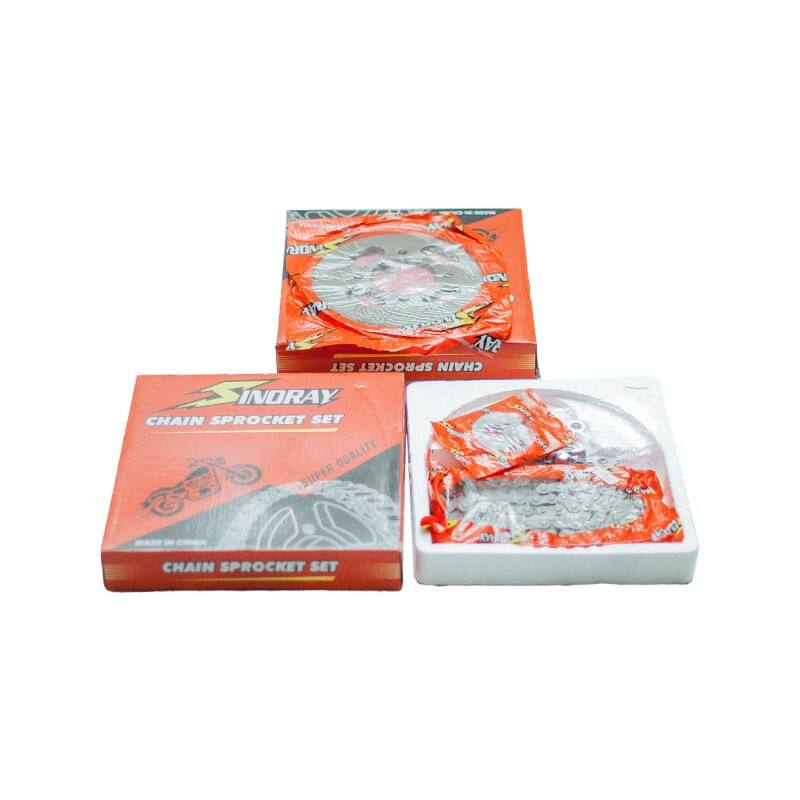
The motorcycle chain drive system consists of several interconnected components that work together to transfer power from the engine to the rear wheel. The primary elements include the engine sprocket, the chain itself, the rear sprocket, and the chain tensioning mechanism. Each component of the chain sprocket set plays a vital role in ensuring efficient power transmission and smooth operation. The engine sprocket, typically smaller than the rear sprocket, receives rotational force from the transmission and transfers it through the chain to the larger rear sprocket, which then rotates the rear wheel.
Understanding the relationship between these components is essential for proper maintenance. The chain connects the front and rear sprockets, creating a continuous loop that must maintain proper tension and alignment. When any component in the chain sprocket set becomes worn or damaged, it can affect the entire system's performance and safety. Regular inspection and maintenance of each element ensure optimal function and prevent premature wear that could lead to costly repairs or dangerous riding conditions.
Signs of Chain Drive System Wear
Recognizing the early warning signs of chain drive system wear is crucial for maintaining your motorcycle's safety and performance. Common indicators include excessive chain slack, visible stretching of the chain links, worn sprocket teeth, and unusual noise during operation. A properly maintained chain sprocket set should operate smoothly and quietly, so any grinding, clicking, or rattling sounds during acceleration or deceleration warrant immediate inspection.
Visual inspection reveals many potential issues with the chain drive system. Look for kinked or damaged chain links, rust or corrosion on the chain surface, and worn or hooked sprocket teeth. The chain should maintain consistent spacing between links and show no signs of binding or stiff spots when manually rotated. Additionally, check for proper alignment between the front and rear sprockets, as misalignment can cause premature wear and potential chain failure.
Essential Chain Maintenance Procedures
Proper Chain Cleaning Techniques
Regular chain cleaning is fundamental to maintaining your motorcycle's drive system and extending the life of your chain sprocket set. Begin by positioning your motorcycle on a center stand or rear paddock stand to allow free rotation of the rear wheel. Use a specialized chain cleaner or a mild degreaser to remove accumulated dirt, grime, and old lubricant from the chain links. Avoid using harsh solvents or high-pressure water, which can damage the chain's internal seals and promote corrosion.
Apply the cleaning solution generously to the chain while slowly rotating the rear wheel to ensure complete coverage of all chain links. Use a soft-bristled brush to scrub away stubborn deposits, paying particular attention to the areas where dirt tends to accumulate. After cleaning, rinse the chain with clean water and dry it thoroughly with a clean cloth. This cleaning process should be performed every 500-1000 miles or more frequently in dusty or wet riding conditions.
Chain Lubrication and Adjustment
Proper lubrication is essential for preventing premature wear of your chain sprocket set and ensuring smooth operation. After cleaning and drying the chain, apply a high-quality motorcycle chain lubricant to the inside of the chain while slowly rotating the rear wheel. Focus on the roller areas and side plates, ensuring that the lubricant penetrates into the pins and bushings where wear typically occurs. Allow the lubricant to settle for several minutes before wiping away any excess to prevent dirt attraction.
Chain tension adjustment is equally important for optimal performance and safety. Consult your motorcycle's service manual for the specific tension requirements, as different models have varying specifications. Generally, the chain should have approximately 1-1.5 inches of vertical play when measured at the midpoint between sprockets. Use the rear axle adjusters to achieve proper tension, ensuring that both sides are adjusted equally to maintain proper wheel alignment. After adjustment, check that the chain sprocket set operates smoothly throughout the full range of suspension travel.
Comprehensive Brake System Maintenance
Brake Pad Inspection and Replacement
Regular brake pad inspection is crucial for maintaining stopping power and rider safety. Remove the brake pads according to your motorcycle's service procedures and examine them for wear indicators, cracks, or glazing. Most brake pads have minimum thickness specifications, typically around 2-3 millimeters of friction material remaining. Replace brake pads when they approach these minimum specifications or show signs of uneven wear patterns that could indicate problems with the brake system or chain sprocket set alignment affecting overall motorcycle balance.
When installing new brake pads, ensure proper seating and bedding procedures are followed. Clean the brake caliper pistons and apply appropriate brake grease to contact points as specified in your service manual. Proper brake pad maintenance not only ensures safety but also protects other expensive brake components from premature wear. Remember that brake performance can affect how you use engine braking, which in turn impacts the load on your chain sprocket set during deceleration.
Brake Fluid Service and Bleeding
Brake fluid maintenance is often overlooked but critical for optimal brake performance and safety. Motorcycle brake fluid should be changed every two years or as specified in your service manual, regardless of mileage. Old brake fluid absorbs moisture from the atmosphere, which reduces its boiling point and can lead to brake fade or failure in extreme conditions. Use only the brake fluid type specified for your motorcycle, typically DOT 3, DOT 4, or DOT 5.1.
The brake bleeding process removes air bubbles from the hydraulic system that can cause spongy brake feel and reduced stopping power. Start with the brake furthest from the master cylinder and work toward the closest, maintaining proper fluid levels throughout the process. Proper brake function is essential for safe riding and complements the smooth power delivery provided by a well-maintained chain sprocket set. Both systems work together to provide the control and safety features necessary for confident motorcycle operation.
Integrated Safety Inspection Procedures
Comprehensive System Checks
Performing integrated safety inspections ensures that all motorcycle systems work harmoniously together. Begin with a visual inspection of the entire chain sprocket set, checking for proper alignment, adequate lubrication, and appropriate tension. Examine brake lines for signs of wear, cracking, or fluid leaks, and verify that all brake components are properly secured and functioning correctly. This systematic approach helps identify potential issues before they become safety hazards.
Document your maintenance activities and inspection findings to track component wear patterns and maintenance intervals. Regular documentation helps predict when components may need replacement and ensures that maintenance schedules are followed consistently. Pay particular attention to the interaction between braking forces and chain drive loads, as improper brake adjustment can affect the stress placed on the chain sprocket set during aggressive braking or downshifting scenarios.
Performance Testing and Validation
After completing maintenance procedures, conduct thorough performance testing to validate that all systems are functioning correctly. Test chain sprocket set operation by riding at various speeds and observing smooth power transmission without unusual noise or vibration. Verify brake performance through progressive testing, starting with gentle applications and gradually increasing pressure to ensure consistent, predictable stopping power without brake fade or pulsation.
Monitor the motorcycle's behavior during different riding conditions, including acceleration, deceleration, and cornering. Any unusual vibrations, noises, or handling characteristics should be investigated immediately. Remember that the chain sprocket set and brake systems work together to provide safe, reliable motorcycle operation, and proper maintenance of both systems is essential for optimal performance and rider safety.
FAQ
How often should I clean and lubricate my motorcycle chain?
You should clean and lubricate your motorcycle chain every 500-1000 miles under normal riding conditions, or more frequently if you ride in dusty, wet, or off-road environments. Regular maintenance of your chain sprocket set extends component life and ensures optimal power transmission. Always clean the chain before applying fresh lubricant to prevent trapping contaminants that could accelerate wear.
What are the signs that my brake pads need replacement?
Brake pads should be replaced when the friction material thickness reaches the minimum specification (typically 2-3mm), when you hear squealing or grinding noises during braking, or when you notice reduced braking performance. Visual inspection may reveal glazing, cracking, or uneven wear patterns that indicate immediate replacement is necessary. Proper brake maintenance complements chain sprocket set care for overall motorcycle safety.
How do I know if my chain tension is properly adjusted?
Proper chain tension typically allows 1-1.5 inches of vertical movement at the midpoint between sprockets when measured with the motorcycle on a level surface and properly loaded. Consult your specific motorcycle's service manual for exact specifications. Incorrect tension can cause premature wear of your chain sprocket set components and affect riding safety and performance.
Can I perform these maintenance tasks myself or should I visit a professional?
Basic maintenance tasks like chain cleaning, lubrication, and tension adjustment can be performed by most motorcycle owners with proper tools and knowledge. However, brake system service, especially brake bleeding and complex adjustments, may require professional expertise and specialized equipment. When in doubt, consult a qualified motorcycle technician to ensure your chain sprocket set and brake systems are properly maintained and safe for operation.