 EN
EN

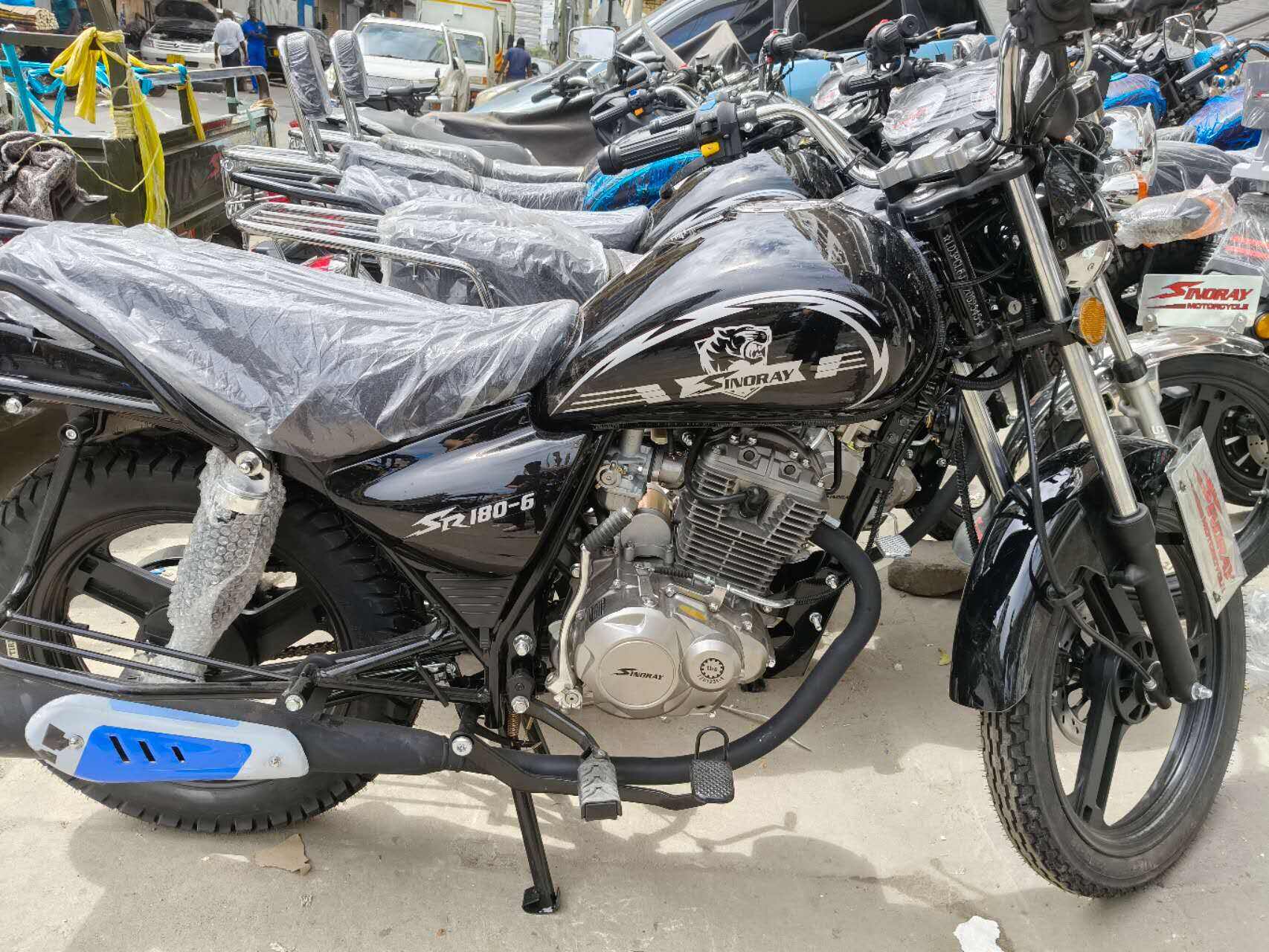
In today's fast-paced urban environment, choosing the right transportation for daily commuting has become increasingly important. A street motorcycle offers an exceptional combination of practicality, efficiency, and convenience that makes it an ideal choice for navigating busy city streets and suburban roads alike. With rising fuel costs and increasing traffic congestion, more commuters are discovering the numerous advantages that a well-designed street motorcycle can provide for their daily transportation needs.
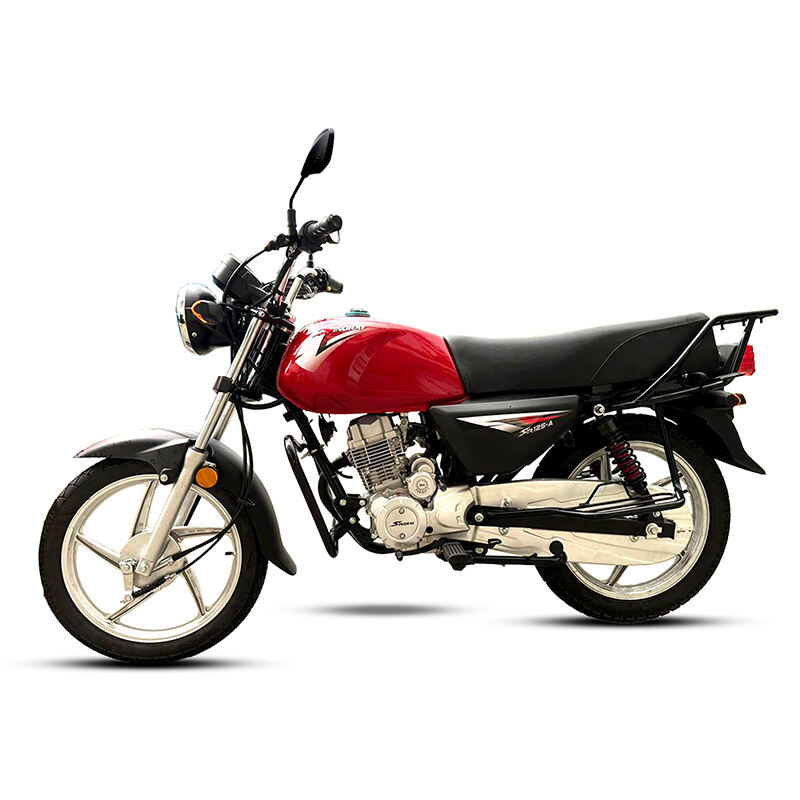
Superior Fuel Efficiency for Cost-Effective Commuting
Economic Benefits of Motorcycle Transportation
One of the most compelling reasons to choose a street motorcycle for daily commuting is the remarkable fuel efficiency these vehicles offer. Modern street motorcycle designs can achieve fuel consumption rates that significantly outperform traditional automobiles, often delivering 50 to 80 miles per gallon depending on the engine size and riding conditions. This exceptional fuel economy translates into substantial savings for daily commuters who travel moderate to long distances regularly.
The lightweight construction and aerodynamic design of a typical street motorcycle contribute significantly to its impressive fuel efficiency. Unlike heavy passenger vehicles that require substantial energy to accelerate and maintain speed, motorcycles utilize their power-to-weight ratio more effectively, resulting in reduced fuel consumption during both city driving and highway cruising. This efficiency becomes particularly noticeable during stop-and-go traffic situations common in urban commuting scenarios.
Long-Term Financial Advantages
Beyond immediate fuel savings, owning a street motorcycle for commuting purposes offers numerous long-term financial benefits. Insurance premiums for motorcycles are typically lower than those for passenger cars, especially for experienced riders with clean driving records. Additionally, maintenance costs for street motorcycle models are generally more affordable due to simpler mechanical systems and readily available replacement parts.
Parking expenses represent another area where street motorcycle owners enjoy significant advantages over car commuters. Many urban areas offer reduced parking fees or dedicated motorcycle parking spaces, while some employers provide free motorcycle parking as an incentive for employees to choose more sustainable transportation options. These cumulative savings can amount to thousands of dollars annually for regular commuters.
Exceptional Maneuverability in Urban Traffic Conditions
Navigating Dense Traffic Patterns
The compact dimensions and responsive handling characteristics of a street motorcycle make it exceptionally well-suited for navigating through congested urban traffic. Unlike larger vehicles that become trapped in traffic jams, motorcycles can often find alternative routes through traffic patterns, allowing riders to maintain consistent travel times even during peak commuting hours. This maneuverability advantage becomes particularly valuable during rush hour periods when traditional vehicles experience significant delays.
Modern street motorcycle designs incorporate advanced suspension systems and precise steering geometry that enable riders to make quick directional changes safely and confidently. These engineering improvements allow commuters to respond effectively to changing traffic conditions, whether merging into highway traffic or navigating through complex urban intersections. The enhanced agility of contemporary motorcycles provides riders with options that simply are not available to automobile drivers.
Lane Positioning and Traffic Flow Optimization
Experienced street motorcycle riders can utilize strategic lane positioning to optimize their progress through traffic while maintaining safety margins. The narrow profile of motorcycles allows for efficient use of available road space, enabling riders to position themselves advantageously at traffic signals and merge points. This capability helps reduce overall commute times and contributes to improved traffic flow for all road users.
The ability to accelerate quickly from stop positions gives street motorcycle riders additional advantages in urban traffic situations. Modern motorcycle engines provide excellent throttle response and power delivery characteristics that allow riders to merge confidently into traffic gaps and maintain appropriate speeds for prevailing conditions. This performance capability enhances both safety and efficiency during daily commuting activities.
Practical Design Features for Daily Use
Storage Solutions and Cargo Capacity
Contemporary street motorcycle manufacturers have recognized the importance of practical storage solutions for commuting riders. Many modern models incorporate built-in storage compartments, luggage mounting points, and accessory attachment systems that accommodate the daily carrying needs of working professionals. These design improvements make it feasible to transport laptops, work documents, groceries, and other essential items safely and securely.
Aftermarket storage solutions for street motorcycle applications continue to evolve, offering riders numerous options for customizing their carrying capacity. Tank bags, tail bags, side cases, and top boxes provide flexible storage configurations that can be adapted to specific commuting requirements. These accessories integrate seamlessly with modern motorcycle designs while maintaining the aesthetic appeal and performance characteristics that make motorcycles attractive transportation options.
Weather Protection and Rider Comfort
Modern street motorcycle designs increasingly incorporate features that enhance rider comfort during various weather conditions. Windshields, hand guards, and weather protection systems help shield riders from wind, rain, and road debris, making year-round commuting more comfortable and practical. These improvements address traditional concerns about motorcycle commuting and expand the range of conditions in which motorcycles remain viable transportation options.
Ergonomic improvements in contemporary street motorcycle designs contribute significantly to rider comfort during extended commuting periods. Adjustable seating positions, improved suspension systems, and vibration-dampening technologies reduce fatigue and enhance the overall commuting experience. These engineering advances make motorcycles more appealing to riders who previously considered them unsuitable for daily transportation use.
Environmental Impact and Sustainability Benefits
Reduced Carbon Footprint
Choosing a street motorcycle for daily commuting represents a significant step toward reducing personal transportation-related carbon emissions. The superior fuel efficiency of motorcycles translates directly into lower greenhouse gas emissions per mile traveled, making them an environmentally responsible choice for conscious commuters. This environmental advantage becomes more pronounced as commuting distances increase and fuel consumption differences between motorcycles and automobiles compound over time.
Modern street motorcycle engines incorporate advanced emission control technologies that minimize their environmental impact while maintaining excellent performance characteristics. Catalytic converters, fuel injection systems, and engine management technologies work together to ensure that contemporary motorcycles meet or exceed stringent environmental regulations while delivering the efficiency and reliability that commuters require.
Urban Air Quality Improvement
The widespread adoption of street motorcycle transportation for urban commuting could contribute meaningfully to improved air quality in densely populated metropolitan areas. The reduced fuel consumption and lower emissions per passenger mile of motorcycles, combined with their space efficiency, represent important factors in sustainable urban transportation planning. Cities worldwide are recognizing the potential benefits of encouraging motorcycle adoption through infrastructure improvements and policy incentives.
Traffic congestion reduction represents another environmental benefit of street motorcycle adoption for daily commuting. By occupying less road space and parking area per passenger, motorcycles can help reduce overall traffic density, leading to improved traffic flow and reduced emissions from idling vehicles. This systemic improvement benefits all road users and contributes to more sustainable urban transportation systems.
Safety Features and Modern Technology Integration
Advanced Safety Systems
Contemporary street motorcycle designs incorporate sophisticated safety technologies that enhance rider protection and accident prevention capabilities. Anti-lock braking systems, traction control, and stability management systems help riders maintain control during challenging road conditions and emergency situations. These electronic safety aids work seamlessly with traditional motorcycle safety equipment to provide comprehensive protection for daily commuters.
Visibility enhancement features on modern street motorcycle models help address one of the primary safety concerns associated with motorcycle commuting. LED lighting systems, reflective materials, and distinctive styling elements improve motorcycle visibility to other road users, particularly during dawn, dusk, and nighttime riding conditions. These improvements contribute significantly to overall commuting safety and rider confidence.
Connectivity and Navigation Features
Modern street motorcycle models increasingly offer smartphone integration, GPS navigation, and communication system compatibility that enhance the commuting experience. These technological features allow riders to access real-time traffic information, navigation assistance, and communication capabilities without compromising safety or requiring them to stop frequently during their commutes. Such integration makes motorcycles more practical and appealing for professional commuters who need to stay connected.
Advanced instrument clusters on contemporary street motorcycle models provide comprehensive information about vehicle performance, maintenance requirements, and operating conditions. Digital displays, trip computers, and diagnostic capabilities help riders monitor their motorcycles' condition and optimize their commuting efficiency. These technological improvements enhance both the practicality and reliability of motorcycles for daily transportation use.
FAQ
What maintenance is required for a street motorcycle used for daily commuting
Regular maintenance for a commuter street motorcycle includes routine oil changes every 3,000 to 5,000 miles, chain lubrication and adjustment, tire pressure monitoring, brake inspection, and periodic valve adjustments according to manufacturer specifications. Daily commuting motorcycles benefit from more frequent maintenance intervals due to consistent use, but the overall maintenance costs remain lower than those of passenger vehicles due to simpler mechanical systems and fewer components requiring service.
How does weather affect street motorcycle commuting safety and comfort
Weather conditions significantly impact street motorcycle commuting, with rain, snow, and extreme temperatures presenting additional challenges compared to enclosed vehicles. However, proper riding gear, weather protection accessories, and adjusted riding techniques can mitigate these challenges effectively. Many commuters successfully use street motorcycle transportation year-round by investing in quality protective equipment and developing appropriate riding skills for various weather conditions.
What licensing and training requirements apply to street motorcycle commuting
Street motorcycle operation requires appropriate licensing, which typically involves written examinations, skills testing, and completion of approved motorcycle safety courses. Many jurisdictions mandate motorcycle safety training for new riders, and insurance companies often provide discounts for riders who complete certified training programs. Ongoing education and skill development contribute significantly to safe and confident commuting on street motorcycle platforms.
How do insurance costs compare between street motorcycle and automobile commuting
Street motorcycle insurance premiums are generally lower than automobile insurance costs, particularly for experienced riders with clean driving records and appropriate safety training credentials. However, insurance costs vary significantly based on motorcycle type, rider experience, geographical location, and coverage levels selected. Many insurers offer discounts for safety course completion, anti-theft devices, and multi-policy combinations that can further reduce overall insurance expenses for motorcycle commuters.
Table of Contents
- Superior Fuel Efficiency for Cost-Effective Commuting
- Exceptional Maneuverability in Urban Traffic Conditions
- Practical Design Features for Daily Use
- Environmental Impact and Sustainability Benefits
- Safety Features and Modern Technology Integration
-
FAQ
- What maintenance is required for a street motorcycle used for daily commuting
- How does weather affect street motorcycle commuting safety and comfort
- What licensing and training requirements apply to street motorcycle commuting
- How do insurance costs compare between street motorcycle and automobile commuting