 EN
EN

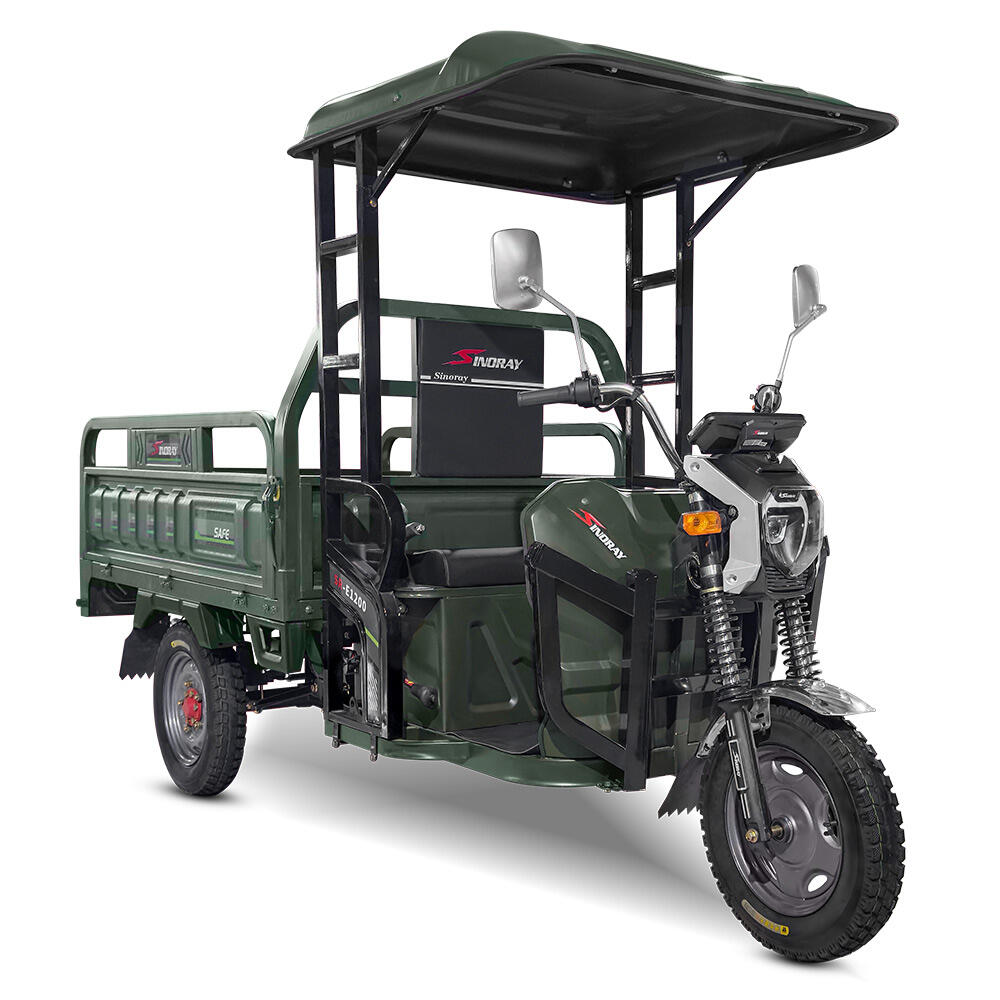
Africa's transportation landscape is experiencing a revolutionary shift as urban populations expand and economic demands intensify. Among the various mobility solutions emerging across the continent, tricycles have proven to be an exceptionally practical and sustainable choice. These three-wheeled vehicles offer unique advantages that align perfectly with Africa's diverse terrain, economic conditions, and cultural preferences. From bustling city centers to remote rural communities, tricycles are transforming how people and goods move across African nations, providing affordable, efficient, and environmentally conscious transportation options that traditional vehicles often cannot match.
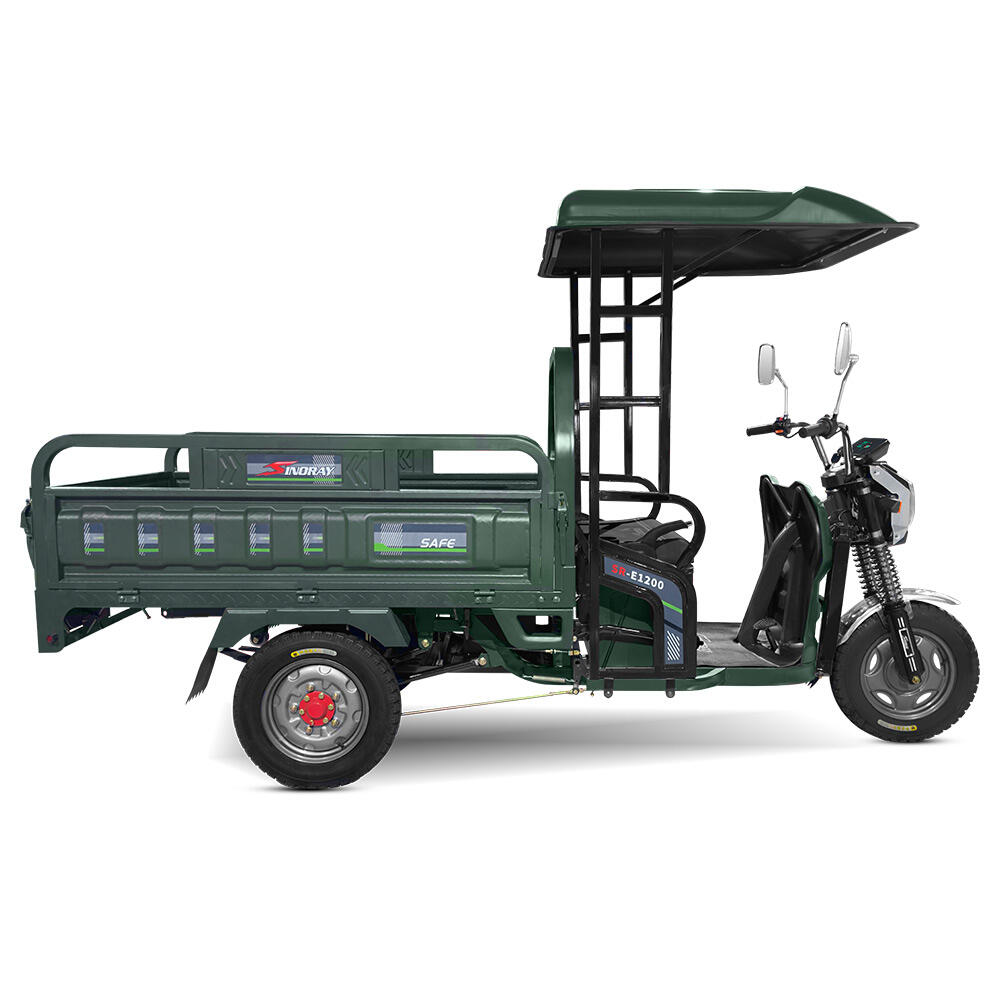
Economic Advantages of Three-Wheeled Transportation
Cost-Effective Investment and Operation
The financial benefits of choosing tricycles over conventional four-wheeled vehicles are substantial, particularly in African markets where budget constraints significantly influence purchasing decisions. Initial investment costs for quality tricycles remain considerably lower than cars or trucks, making them accessible to small business owners, entrepreneurs, and individuals seeking reliable transportation. Operational expenses including fuel consumption, maintenance requirements, and insurance premiums further enhance their economic appeal.
Maintenance costs for tricycles are notably reduced due to their simpler mechanical systems and readily available spare parts throughout most African countries. Local mechanics can easily service these vehicles without specialized training or expensive diagnostic equipment, ensuring minimal downtime and reduced repair expenses. This accessibility to maintenance services creates sustainable employment opportunities within communities while keeping operational costs manageable for owners.
Revenue Generation Opportunities
Tricycles serve as excellent income-generating assets across various African economies, enabling owners to establish profitable transportation businesses with relatively modest capital requirements. Commercial applications include passenger transport services, goods delivery operations, mobile retail businesses, and agricultural product transportation from farms to markets. The versatility of tricycle designs allows for customization based on specific business needs and local market demands.
Many African entrepreneurs have successfully built thriving businesses around tricycles, capitalizing on their ability to navigate narrow streets, access remote locations, and provide door-to-door services that larger vehicles cannot offer. These businesses contribute significantly to local economies while providing essential services to communities that might otherwise lack adequate transportation options.
Infrastructure Compatibility and Accessibility
Navigating Challenging Road Conditions
African road infrastructure varies dramatically across regions, with many areas featuring unpaved surfaces, narrow pathways, and challenging terrain that can prove problematic for conventional vehicles. Tricycles excel in these environments due to their compact size, lighter weight, and enhanced maneuverability compared to standard automobiles. Their three-wheel configuration provides improved stability on uneven surfaces while maintaining the agility needed for congested urban areas.
The ability of tricycles to traverse both urban and rural environments makes them particularly valuable in countries where road quality differs significantly between developed city centers and outlying communities. This versatility ensures consistent transportation availability regardless of infrastructure limitations, supporting economic development and social connectivity across diverse geographical regions.
Urban Mobility Solutions
Rapidly growing African cities face increasing traffic congestion and parking challenges that make traditional vehicles less practical for daily transportation needs. Tricycles offer superior maneuverability in crowded streets, require minimal parking space, and can access areas where larger vehicles cannot safely operate. Their compact footprint makes them ideal for last-mile delivery services and short-distance passenger transport within busy urban environments.
Public transportation systems in many African cities remain underdeveloped or inadequate for growing populations, creating opportunities for tricycle-based services to fill critical gaps. These vehicles can provide flexible, on-demand transportation that complements existing public transit while serving areas that buses or trains cannot efficiently reach. Their presence helps reduce overall traffic congestion by providing alternatives to private car ownership.
Environmental and Sustainability Benefits
Reduced Carbon Footprint
Environmental consciousness is becoming increasingly important across African nations as they balance economic development with sustainability goals. Tricycles, particularly electric models, offer significantly lower emissions compared to conventional vehicles while maintaining practical functionality for daily transportation needs. Their smaller engines and lighter weight result in improved fuel efficiency, reducing both operational costs and environmental impact.
The adoption of electric tricycles aligns with continental initiatives to promote clean energy and reduce dependence on fossil fuels. Solar charging infrastructure can support electric tricycle operations in regions with abundant sunshine, creating truly sustainable transportation systems that leverage Africa's natural resources. This approach supports both environmental protection and energy independence objectives while providing practical mobility solutions.
Supporting Green Transportation Initiatives
Many African governments are implementing policies to encourage environmentally friendly transportation options as part of broader climate change mitigation strategies. Tricycles fit well within these frameworks, offering immediate environmental benefits while supporting longer-term sustainability goals. Their lower manufacturing footprint and extended service life contribute to reduced resource consumption compared to larger vehicle alternatives.
Community-based tricycle sharing programs and cooperative ownership models can further enhance environmental benefits by maximizing vehicle utilization while minimizing individual ownership requirements. These approaches demonstrate how sustainable transportation can support both environmental protection and economic development simultaneously, creating positive outcomes for communities and ecosystems alike.
Social Impact and Community Development
Enhancing Mobility Access
Transportation accessibility remains a significant challenge for many African communities, particularly in rural areas where conventional public transport services are limited or nonexistent. Tricycles provide crucial mobility solutions that connect isolated communities with essential services, employment opportunities, and market access. This improved connectivity directly impacts quality of life and economic prospects for individuals and families across the continent.
Healthcare access benefits substantially from tricycle transportation, enabling patients to reach medical facilities more easily and allowing healthcare workers to provide mobile services in remote areas. Educational opportunities also improve as students gain reliable transportation to schools and training centers, supporting human capital development that drives long-term economic growth and social progress.
Employment Creation and Skills Development
The tricycle industry creates diverse employment opportunities across multiple skill levels and sectors, from manufacturing and assembly to sales, maintenance, and operation services. Local assembly operations provide manufacturing jobs while developing technical skills within communities. Driver and operator positions offer immediate income opportunities for individuals seeking flexible employment arrangements.
Training programs for tricycle maintenance and repair create valuable technical skills that support broader mechanical and electrical competencies. These programs contribute to workforce development while ensuring sustainable support systems for growing tricycle populations. The multiplier effect of tricycle adoption extends throughout local economies, creating indirect employment in supporting industries and services.
Technological Innovation and Adaptation
Electric Vehicle Integration
The evolution toward electric tricycles represents a significant technological advancement that addresses both environmental concerns and operational efficiency requirements. Battery technology improvements have extended range capabilities while reducing charging times, making electric tricycles increasingly practical for commercial and personal use across African markets. Smart charging infrastructure development supports widespread adoption while creating new business opportunities in energy services.
Integration of mobile technology and GPS systems enhances tricycle functionality through route optimization, fleet management capabilities, and digital payment systems. These technological enhancements improve service quality while providing valuable data for transportation planning and business optimization. The combination of traditional mechanical reliability with modern digital features creates vehicles that serve contemporary transportation needs effectively.
Customization and Local Manufacturing
Local manufacturing capabilities for tricycles are developing across Africa, enabling customization for specific regional requirements and preferences. This localization reduces import dependencies while creating manufacturing employment and technical expertise within communities. Custom features can address unique applications such as agricultural transport, mobile commerce platforms, or specialized passenger services.
Collaboration between international manufacturers and local partners facilitates technology transfer while ensuring products meet specific African market needs. This approach supports sustainable industrial development while providing reliable, affordable transportation solutions tailored to local conditions and preferences. The result is enhanced product availability and improved service support throughout African markets.
FAQ
What makes tricycles more suitable than cars for African transportation needs?
Tricycles offer superior value for African transportation due to their lower purchase costs, reduced fuel consumption, minimal maintenance requirements, and ability to navigate challenging road conditions. Their compact size allows access to narrow streets and congested areas where cars cannot operate effectively, while their simpler mechanical systems ensure reliable operation with locally available repair services and spare parts.
How do electric tricycles perform in African climates and infrastructure conditions?
Electric tricycles perform exceptionally well in African climates, with modern battery systems designed to handle temperature variations and humidity levels common across the continent. Solar charging capabilities align perfectly with Africa's abundant sunshine, while improved battery technology provides sufficient range for typical urban and short-distance rural transportation needs. Charging infrastructure development is expanding rapidly to support growing electric vehicle adoption.
Can tricycles effectively support commercial transportation businesses in Africa?
Yes, tricycles excel as commercial vehicles for African businesses due to their versatility, cost-effectiveness, and operational flexibility. They serve successfully in passenger transport, goods delivery, mobile retail, and agricultural applications while requiring lower capital investment than trucks or vans. Their ability to access diverse locations and operate economically makes them ideal for small and medium enterprises seeking reliable commercial transportation solutions.
What role do tricycles play in sustainable development across African communities?
Tricycles contribute significantly to sustainable development by providing affordable transportation access, creating employment opportunities, reducing environmental impact, and supporting economic growth in underserved communities. They enable improved access to healthcare, education, and markets while generating income opportunities for operators and supporting businesses. Their lower environmental footprint compared to conventional vehicles aligns with sustainability goals while delivering practical mobility solutions that enhance quality of life across African communities.
Table of Contents
- Economic Advantages of Three-Wheeled Transportation
- Infrastructure Compatibility and Accessibility
- Environmental and Sustainability Benefits
- Social Impact and Community Development
- Technological Innovation and Adaptation
-
FAQ
- What makes tricycles more suitable than cars for African transportation needs?
- How do electric tricycles perform in African climates and infrastructure conditions?
- Can tricycles effectively support commercial transportation businesses in Africa?
- What role do tricycles play in sustainable development across African communities?