 EN
EN

The African transportation landscape is experiencing a revolutionary transformation as sustainable mobility solutions gain unprecedented momentum across the continent. Among the most promising developments is the emergence of advanced electric tricycles that are reshaping urban and rural transportation dynamics. These innovative three-wheeled vehicles represent more than just an alternative mode of transport; they embody a comprehensive solution to Africa's unique mobility challenges while addressing environmental concerns and economic opportunities simultaneously.
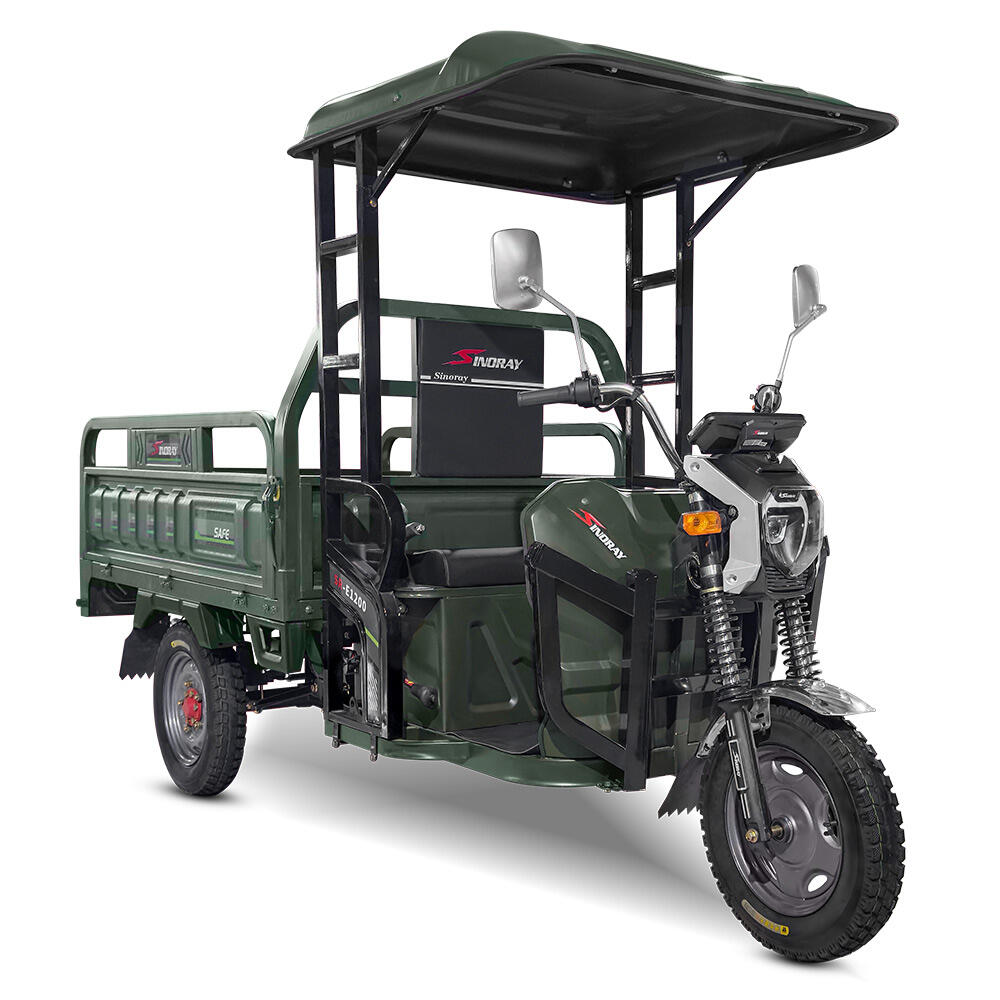
The transition toward electric mobility in Africa is driven by multiple factors including rising fuel costs, environmental awareness, and the need for reliable transportation infrastructure. Electric tricycles have emerged as particularly well-suited vehicles for African conditions due to their versatility, efficiency, and ability to navigate diverse terrain conditions. These vehicles offer substantial advantages over traditional transportation methods while providing economic opportunities for entrepreneurs and small business operators throughout the region.
Advanced Engineering Excellence in Electric Tricycle Design
Robust Construction for African Conditions
The engineering philosophy behind modern electric tricycles prioritizes durability and reliability under challenging operating conditions typical of African environments. These vehicles feature reinforced chassis designs constructed from high-grade steel alloys that can withstand heavy loads, rough terrain, and extreme weather conditions. The frame geometry is optimized to provide excellent stability during cornering and braking while maintaining comfortable ride quality for both operators and passengers.
Advanced suspension systems incorporate independent front suspension with telescopic shock absorbers and rear leaf spring configurations that effectively manage road irregularities and load variations. This engineering approach ensures consistent performance whether navigating urban streets, rural pathways, or challenging off-road conditions. The suspension tuning specifically addresses the unique requirements of African road infrastructure while maintaining optimal comfort levels.
Power Systems and Battery Technology
Contemporary electric tricycles utilize cutting-edge battery management systems that maximize energy efficiency and extend operational range. Lithium-ion battery packs provide superior energy density compared to traditional lead-acid alternatives while offering significantly longer service life and faster charging capabilities. These advanced power systems typically deliver operational ranges exceeding 100 kilometers on a single charge, making them ideal for commercial applications and daily commuting requirements.
The integration of intelligent charging systems allows for flexible power management options including standard household charging, fast-charging stations, and solar panel compatibility. This versatility is particularly valuable in regions where electrical grid reliability may be inconsistent, enabling operators to maintain productivity through alternative charging methods. Battery thermal management systems ensure optimal performance across temperature extremes commonly encountered in African climates.
Economic Impact and Business Opportunities
Entrepreneurial Applications and Revenue Generation
Electric tricycles serve as powerful economic enablers throughout Africa by providing accessible business opportunities for entrepreneurs across various sectors. These vehicles excel in passenger transportation services, offering comfortable and efficient mobility solutions for urban and peri-urban communities. The low operational costs associated with electric powertrains enable operators to achieve competitive pricing while maintaining healthy profit margins.
Commercial applications extend beyond passenger transport to include cargo delivery services, mobile vending operations, and specialized service provision. The versatile platform design allows for customization to support diverse business models including food delivery, medical services, and agricultural product transportation. This flexibility creates multiple revenue streams and supports economic diversification for individual operators and small business enterprises.
Cost-Effectiveness and Return on Investment
The financial advantages of electric tricycle ownership become apparent through comprehensive total cost analysis over operational lifecycles. While initial purchase costs may exceed those of conventional alternatives, the substantially lower fuel and maintenance expenses result in attractive payback periods typically ranging from 12 to 18 months depending on utilization patterns.
Maintenance requirements for electric tricycles are significantly reduced compared to internal combustion engine vehicles due to fewer moving parts and the absence of complex mechanical systems. Regular maintenance primarily involves basic inspections, tire management, and occasional battery servicing, resulting in minimal downtime and lower overall operational costs. This reliability translates directly to improved business continuity and enhanced profitability for commercial operators.
Environmental Sustainability and Social Impact
Zero Emissions Transportation Solutions
The environmental benefits of electric tricycles align perfectly with Africa's growing commitment to sustainable development and climate change mitigation. These vehicles produce zero direct emissions during operation, contributing to improved air quality in urban areas where pollution from conventional vehicles poses significant health risks. The elimination of exhaust emissions is particularly beneficial in densely populated areas where respiratory health concerns are prevalent.
Lifecycle environmental impact assessments demonstrate substantial reductions in carbon footprint when electric tricycles replace conventional two-stroke or diesel-powered alternatives. Even when accounting for electricity generation impacts, the overall environmental performance remains significantly superior, especially in regions where renewable energy sources contribute to grid power supply. This environmental advantage supports broader sustainability objectives while providing immediate local air quality improvements.
Community Development and Accessibility
Electric tricycles contribute to enhanced social mobility by providing affordable and accessible transportation options for communities previously underserved by traditional transit systems. The quiet operation of electric powertrains reduces noise pollution in residential areas while improving overall quality of life for urban and rural populations. These vehicles enable improved access to healthcare, education, and economic opportunities by connecting remote communities to essential services.
The technology transfer associated with electric tricycle adoption supports local capacity building and skills development in emerging industries. Training programs for operators, maintenance technicians, and support personnel create employment opportunities while building technical expertise that contributes to broader economic development. This knowledge transfer effect amplifies the positive impact of electric mobility adoption throughout African communities.
Technical Specifications and Performance Characteristics
Motor Performance and Efficiency
Modern electric tricycles incorporate high-efficiency brushless DC motors that deliver optimal performance across varied operating conditions while maintaining exceptional energy efficiency. These motors typically generate power outputs ranging from 1000 to 3000 watts, providing adequate performance for both passenger and cargo applications. The electronic motor controllers utilize advanced pulse width modulation technology to optimize power delivery and extend battery life through intelligent energy management.
Regenerative braking systems capture kinetic energy during deceleration and convert it back to electrical energy stored in the battery pack. This technology not only extends operational range but also reduces brake wear and maintenance requirements while improving overall system efficiency. The integration of regenerative braking with traditional mechanical braking systems provides enhanced safety and control during all operating conditions.
Safety Features and Operational Reliability
Comprehensive safety systems integrated into electric tricycles include advanced braking systems with dual-circuit hydraulic configurations, LED lighting systems for enhanced visibility, and electronic stability control features. Roll-over protection structures and reinforced passenger compartments provide additional protection for occupants during normal operation and potential accident scenarios. These safety features exceed international standards while addressing specific operational requirements common in African transportation environments.
Reliability engineering principles guide the design and manufacturing processes to ensure consistent performance under demanding operational conditions. Quality control procedures verify component specifications and assembly processes while comprehensive testing programs validate performance across temperature extremes, humidity variations, and mechanical stress conditions typical of African climates and operating environments.
Market Adoption and Future Prospects
Growing Market Acceptance and User Satisfaction
Market research indicates rapidly increasing acceptance of electric tricycles across diverse African markets as users experience the practical advantages of electric mobility. Customer satisfaction levels remain consistently high due to the combination of operational efficiency, economic benefits, and environmental advantages provided by these vehicles. Word-of-mouth recommendations and demonstration programs continue to drive market expansion as potential users observe successful implementations in their communities.
Government initiatives supporting clean transportation technologies and small business development create favorable regulatory environments for electric tricycle adoption. Incentive programs including tax benefits, import duty reductions, and financing assistance help reduce barriers to entry while encouraging broader market participation. These supportive policies accelerate adoption rates and contribute to sustainable market growth across the continent.
Infrastructure Development and Support Networks
The establishment of charging infrastructure and service networks represents a critical factor in successful electric tricycle deployment throughout Africa. Strategic partnerships between manufacturers, local distributors, and infrastructure providers facilitate the development of comprehensive support systems that ensure reliable operation and maintenance capabilities. These networks include charging stations, spare parts availability, and technical support services positioned to serve growing user communities.
Training and certification programs for maintenance technicians and service providers ensure adequate technical support capabilities as market adoption increases. These programs transfer essential knowledge and skills while establishing quality standards for service delivery. The development of local expertise reduces dependence on external support while creating sustainable employment opportunities in emerging green technology sectors.
FAQ
What is the typical operational range of an electric tricycle on a single charge
Most modern electric tricycles can achieve operational ranges between 80 to 120 kilometers on a single battery charge under normal operating conditions. The actual range depends on several factors including payload weight, terrain conditions, driving style, and battery capacity. Heavy loads or challenging terrain may reduce range, while efficient driving techniques and favorable conditions can extend it. Many models feature energy management systems that help optimize range through intelligent power distribution and regenerative braking capabilities.
How long does it take to fully charge an electric tricycle battery
Charging times for electric tricycles typically range from 6 to 8 hours for a complete charge using standard household electrical connections. Fast-charging systems can reduce this time to 3 to 4 hours when compatible charging infrastructure is available. Many users find it convenient to charge overnight, ensuring full battery capacity for the following day's operations. Some models offer removable battery packs that can be charged separately, allowing for continuous operation with spare batteries.
What maintenance requirements are necessary for electric tricycles
Electric tricycles require significantly less maintenance compared to conventional vehicles due to their simpler mechanical systems. Regular maintenance includes tire pressure checks, brake system inspections, battery terminal cleaning, and basic electrical system verification. Most maintenance tasks can be performed by operators with basic training, reducing service costs and downtime. Professional servicing is typically required only for major component replacement or complex electrical system diagnostics.
Are electric tricycles suitable for cargo transportation applications
Yes, electric tricycles are excellent platforms for cargo transportation with many models specifically designed for commercial freight applications. Load capacities typically range from 500 to 1500 kilograms depending on the specific model and configuration. The stable three-wheel design provides superior load-carrying capability compared to two-wheeled alternatives while maintaining excellent maneuverability in urban environments. Customizable cargo areas can accommodate various load types including bulk goods, packaged items, and specialized equipment.