 EN
EN

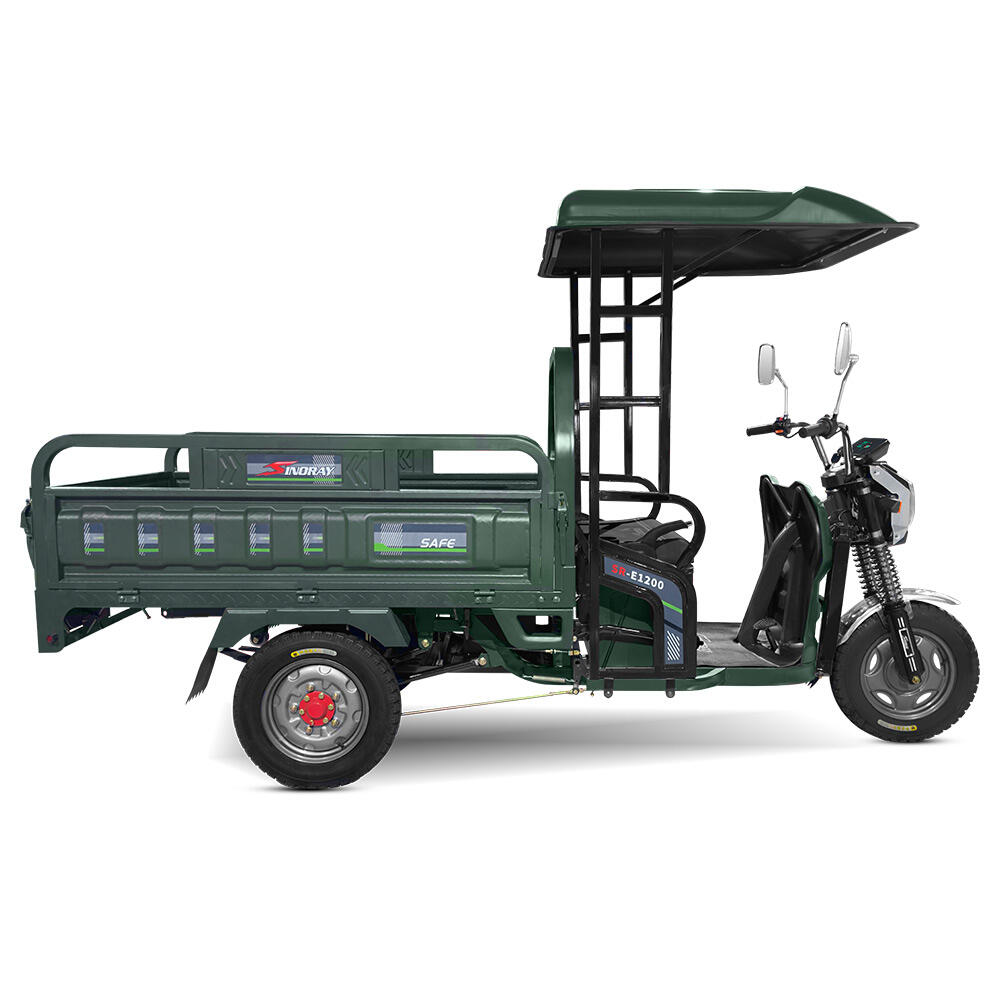
The rapid growth of urban transportation needs across African markets has created significant demand for affordable mobility solutions, particularly three-wheeled vehicles that serve both commercial and personal transportation purposes. As cities expand and economic opportunities emerge in various sectors, the importance of establishing comprehensive safety standards for affordable tricycles becomes increasingly critical for protecting consumers while ensuring sustainable market development.
The intersection of affordability and safety presents unique challenges in developing markets, where cost-conscious consumers often prioritize immediate accessibility over long-term safety considerations. However, implementing appropriate safety standards does not necessarily mean compromising affordability, as proper regulatory frameworks can drive innovation and efficiency in manufacturing processes while protecting end users from preventable accidents and mechanical failures.
Understanding the specific operational environments and usage patterns common throughout African markets is essential for developing relevant safety standards that address real-world conditions rather than theoretical scenarios. From dusty rural roads to congested urban centers, tricycles must perform reliably under diverse and often challenging circumstances while maintaining basic safety requirements that protect operators and passengers.
Structural Integrity and Frame Design Standards
Chassis Construction Requirements
The foundation of any safe tricycle begins with robust chassis construction that can withstand the stresses of daily operation under varying load conditions. Frame materials should meet minimum tensile strength requirements, with welded joints properly reinforced to prevent fatigue cracking that could lead to catastrophic structural failures. Steel tubing with appropriate wall thickness provides the optimal balance between strength, weight, and cost-effectiveness for most applications.
Proper frame geometry plays a crucial role in vehicle stability, particularly during cornering and emergency maneuvers. The wheelbase, track width, and center of gravity must be carefully engineered to prevent rollover incidents while maintaining acceptable turning radius for urban navigation. Manufacturing tolerances should be specified to ensure consistent handling characteristics across production runs.
Joint design and welding quality directly impact long-term durability and safety performance. All critical load-bearing connections require full-penetration welds or equivalent mechanical fastening systems, with regular quality control inspections to identify potential defects before vehicles reach end users. Corrosion protection through appropriate surface treatments extends service life while maintaining structural integrity in humid or salt-air environments.
Load Capacity and Weight Distribution
Establishing clear load capacity ratings prevents overloading that compromises vehicle stability and accelerates component wear. Maximum payload specifications should account for both passenger and cargo loading scenarios, with appropriate safety margins built into the calculations. Vehicle manufacturers must provide clear labeling indicating maximum safe loads and proper weight distribution guidelines.
Dynamic loading considerations become particularly important when vehicles encounter road irregularities or sudden directional changes. Impact loading from potholes or speed bumps can generate forces significantly exceeding static weight limits, requiring frame designs that accommodate these peak stresses without permanent deformation or failure.
Weight distribution affects not only stability but also tire wear patterns and steering response characteristics. Proper cargo placement guidelines help operators maintain optimal balance while maximizing payload capacity. Educational materials should accompany new vehicle deliveries to ensure proper loading practices from the beginning of vehicle service life.
Braking System Performance Standards
Minimum Stopping Distance Requirements
Effective braking systems represent perhaps the most critical safety component for preventing accidents in mixed traffic conditions common throughout African urban areas. Minimum stopping distance standards must account for typical road surface conditions, including unpaved surfaces, loose gravel, and wet weather scenarios that significantly affect braking performance compared to ideal test conditions.
Brake system redundancy becomes essential for cheap tricycles in Africa where maintenance resources may be limited and component failure could have severe consequences. Independent front and rear brake circuits ensure that partial brake failure does not completely eliminate stopping capability, providing operators with sufficient control to safely bring the vehicle to a stop.
Testing procedures should simulate real-world operating conditions, including loaded and unloaded configurations, various road surfaces, and different weather conditions. Performance degradation over time must be monitored through periodic inspection requirements, with clear guidelines for component replacement intervals based on usage patterns rather than arbitrary time periods.
Brake Component Quality and Durability
Component selection directly impacts both initial performance and long-term reliability under challenging operating conditions. Brake pads and shoes must demonstrate adequate friction characteristics across the full range of operating temperatures while resisting rapid wear that could leave operators without effective braking capability between service intervals.
Hydraulic brake systems require particular attention to seal quality and fluid compatibility, as contamination or component failure can lead to complete brake system failure. Alternative mechanical brake systems may offer improved reliability in environments where hydraulic maintenance expertise is limited, though proper adjustment mechanisms become critical for maintaining performance.
Environmental protection for brake components helps maintain performance in dusty or wet conditions common in many African climates. Sealed bearing assemblies, corrosion-resistant hardware, and drainage provisions prevent contamination that could compromise braking effectiveness when it is needed most.
Electrical System Safety and Reliability
Wiring Harness Protection and Routing
Electrical system failures can create safety hazards ranging from loss of lighting to potential fire risks, making proper wiring design and installation critical for safe operation. All electrical connections must be properly sealed against moisture intrusion while remaining accessible for maintenance and repair. Cable routing should avoid areas subject to mechanical damage, excessive heat, or chemical contamination.
Overcurrent protection through appropriately sized fuses or circuit breakers prevents electrical fires while allowing for normal operational loads. Ground fault protection becomes particularly important in wet conditions, requiring proper chassis grounding and insulation integrity throughout the electrical system.
Quality control during manufacturing must include electrical system testing under various load conditions to identify potential failure points before vehicles reach end users. Standardized connector types facilitate field repairs while reducing the likelihood of incorrect connections that could create safety hazards.
Lighting and Visibility Requirements
Adequate lighting systems are essential for safe operation during low-light conditions, particularly given the extended operating hours common for commercial tricycle applications. Headlight output and beam patterns must provide sufficient illumination for obstacle detection while avoiding excessive glare that could affect other road users.
Rear lighting and turn signal systems help other traffic anticipate tricycle movements, reducing the likelihood of rear-end collisions or side-impact accidents during lane changes. Reflective materials and conspicuous colors enhance visibility during daylight hours, particularly important for vehicles operating in mixed traffic environments.
Electrical system reliability becomes critical when lighting systems are essential for safe operation. Backup power systems or multiple independent circuits ensure that lighting remains functional even if primary charging systems fail, preventing operators from becoming stranded in unsafe conditions.
Steering and Handling Characteristics
Steering System Responsiveness and Precision
Responsive steering systems enable operators to avoid obstacles and navigate safely through congested traffic conditions typical in many African urban areas. Steering geometry must provide adequate directional control while remaining stable at various speeds, preventing dangerous oscillations or unpredictable handling characteristics that could lead to accidents.
Mechanical steering linkages require proper lubrication points and adjustment mechanisms to maintain performance throughout the vehicle service life. Excessive play in steering components compromises control precision and should be addressed through regular maintenance intervals with clear inspection procedures.
Front suspension design affects both ride comfort and steering precision, with proper shock absorber specifications helping maintain tire contact with road surfaces during operation over rough terrain. Suspension mounting points must be adequately reinforced to prevent component failure that could result in loss of vehicle control.
Stability and Rollover Prevention
Three-wheeled vehicle configurations present inherent stability challenges that require careful attention to design parameters and operating limitations. Center of gravity calculations must account for various loading scenarios while maintaining acceptable stability margins during normal maneuvering situations.
Dynamic stability testing should include emergency avoidance maneuvers and varying surface conditions to identify potential rollover scenarios. Operator training materials should clearly communicate vehicle limitations and safe operating practices to prevent accidents caused by exceeding design capabilities.
Anti-rollover systems or stability enhancement technologies may be beneficial for vehicles designed to carry higher payloads or operate in demanding conditions. However, the cost and complexity of such systems must be balanced against the overall affordability objectives while maintaining basic safety requirements.
Tire Performance and Safety Standards
Tire Construction and Load Ratings
Tire selection directly impacts both safety and operational efficiency, making appropriate specifications critical for preventing blowouts and maintaining vehicle control under various operating conditions. Load ratings must provide adequate safety margins while considering the diverse cargo and passenger loading scenarios common in African markets.
Tire construction quality affects both performance and service life, with proper sidewall reinforcement preventing damage from road hazards while maintaining pressure integrity. Tread patterns should provide adequate traction on both paved and unpaved surfaces without excessive rolling resistance that reduces fuel efficiency.
Quality control standards for tire manufacturing help ensure consistent performance characteristics across production batches. Proper storage and handling procedures prevent degradation before installation while maintaining the performance characteristics intended by the manufacturer.
Wheel Assembly and Mounting Systems
Wheel mounting systems must securely retain tires under all operating conditions while allowing for practical maintenance and repair procedures. Proper torque specifications and fastener quality prevent wheel detachment incidents that could result in serious accidents or vehicle damage.
Hub and bearing assemblies require appropriate load ratings and lubrication systems to maintain smooth operation throughout the expected service life. Sealed bearing systems reduce maintenance requirements while providing reliable performance in dusty or contaminated environments.
Spare tire mounting and jack systems enable roadside repairs when tire damage occurs during operation. Standardized tire sizes facilitate parts availability while reducing inventory requirements for service providers throughout the distribution network.
FAQ
What are the most important safety features for affordable tricycles in African markets
The most critical safety features include reliable braking systems with adequate stopping distances, proper structural integrity to handle typical load conditions, effective lighting for visibility in mixed traffic, and steering systems that provide responsive control. These features must be balanced against cost constraints while meeting minimum safety requirements for protecting operators and passengers in real-world operating conditions.
How can manufacturers balance safety requirements with affordability constraints
Manufacturers can achieve this balance by focusing on essential safety components while optimizing design for local manufacturing capabilities and materials availability. Standardizing components across product lines reduces costs while maintaining quality, and implementing proper quality control procedures prevents expensive safety recalls. Simple, robust designs often provide better long-term value than complex systems that may be difficult to maintain in resource-limited environments.
What role do local regulations play in establishing tricycle safety standards
Local regulations provide the framework for minimum safety requirements while considering specific regional operating conditions and infrastructure limitations. Effective regulations should be developed in consultation with manufacturers, operators, and safety experts to ensure requirements are both achievable and meaningful for protecting public safety. Regular updates to standards help incorporate technological improvements while maintaining relevance to current market conditions.
How can operators maintain safety standards after purchasing affordable tricycles
Regular maintenance following manufacturer guidelines is essential for preserving safety performance throughout the vehicle service life. Operators should establish routine inspection procedures for critical components like brakes, steering, and tires while maintaining proper loading practices. Access to genuine replacement parts and qualified service providers helps ensure that maintenance activities effectively preserve the original safety characteristics designed into the vehicle.
Table of Contents
- Structural Integrity and Frame Design Standards
- Braking System Performance Standards
- Electrical System Safety and Reliability
- Steering and Handling Characteristics
- Tire Performance and Safety Standards
-
FAQ
- What are the most important safety features for affordable tricycles in African markets
- How can manufacturers balance safety requirements with affordability constraints
- What role do local regulations play in establishing tricycle safety standards
- How can operators maintain safety standards after purchasing affordable tricycles