 EN
EN

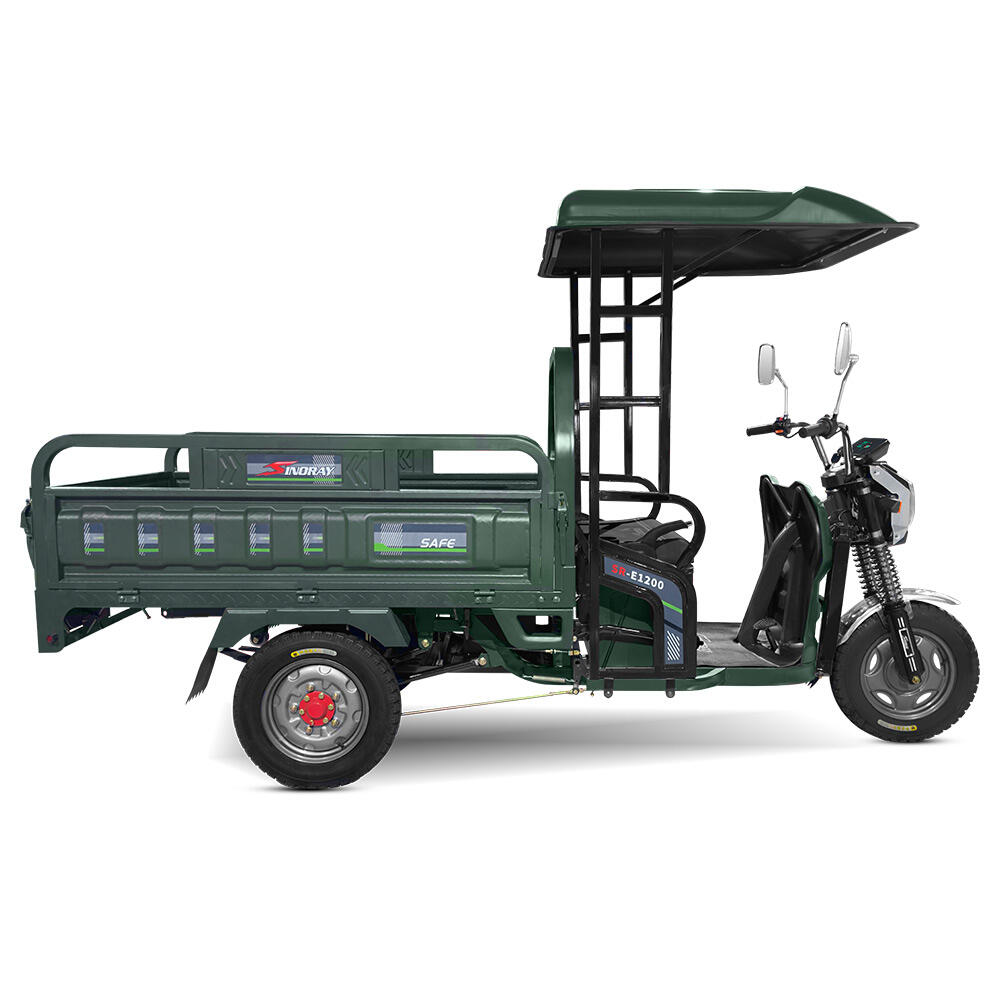
The African transport market has witnessed tremendous growth in recent years, with three-wheeled vehicles becoming increasingly popular across urban and rural communities. When searching for an affordable three-wheeler solution, consumers often find themselves overwhelmed by numerous options flooding the market. Finding a reliable cheap tricycle that delivers both quality and value requires careful consideration of several key factors including build quality, after-sales support, and long-term durability.
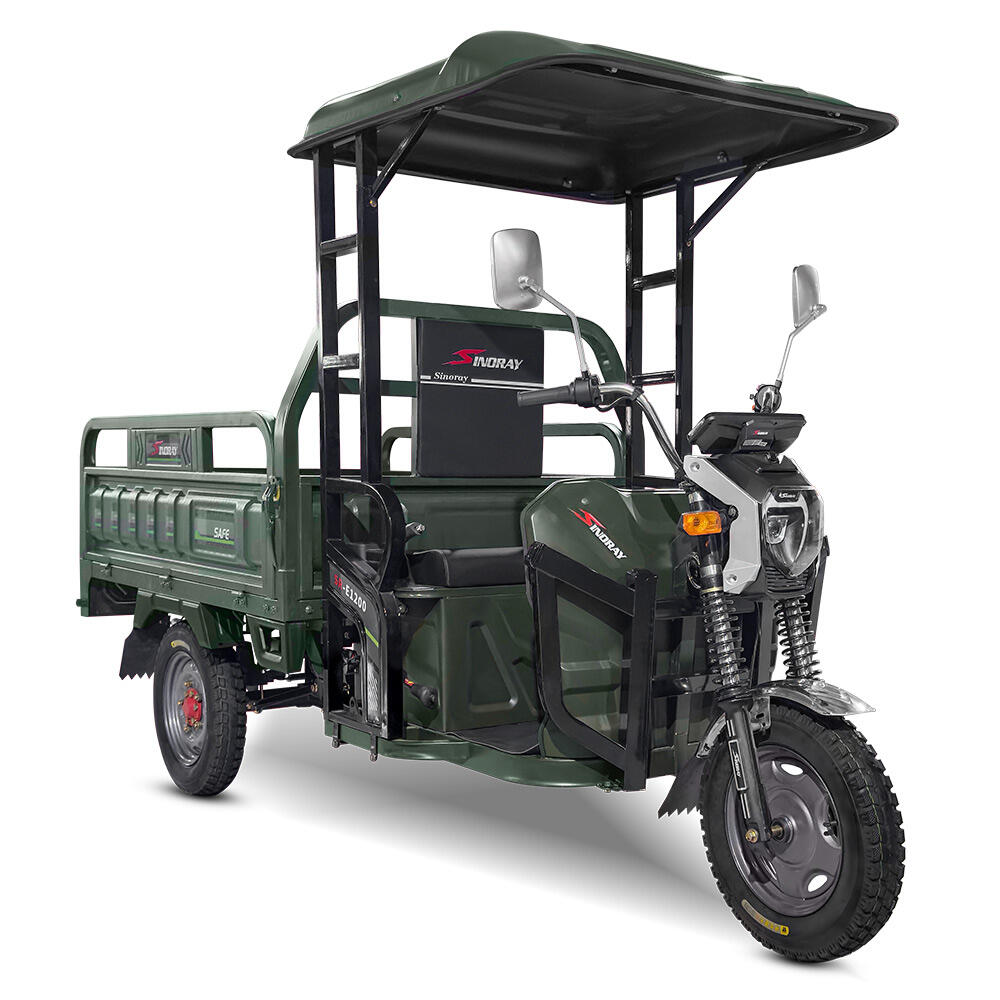
Understanding the African Tricycle Market Landscape
Market Demand and Growth Trends
Africa's rapid urbanization has created unprecedented demand for efficient transportation solutions, particularly in densely populated cities where traditional vehicles struggle with congestion and parking limitations. The tricycle segment has experienced exponential growth, driven by entrepreneurs seeking cost-effective commercial vehicles and families requiring affordable personal transport. Market research indicates that the demand for budget-friendly three-wheelers has increased by over 40% annually across major African markets, with countries like Nigeria, Kenya, and Ghana leading adoption rates.
Economic factors play a crucial role in shaping consumer preferences, as many buyers prioritize initial purchase price alongside operational costs. The search for a cheap tricycle often centers around finding vehicles that offer the lowest total cost of ownership rather than simply the lowest sticker price. This shift in buyer behavior has prompted manufacturers to focus on delivering value-engineered solutions that balance affordability with reliability and performance.
Regional Preferences and Requirements
Different African regions exhibit distinct preferences when it comes to tricycle specifications and features. West African markets typically favor robust cargo-carrying capabilities due to the prevalence of commercial applications, while East African consumers often prioritize passenger comfort and fuel efficiency. Understanding these regional nuances becomes essential when selecting an affordable three-wheeler that meets specific local requirements and operating conditions.
Climate considerations also influence tricycle selection across the continent, with manufacturers needing to address challenges such as extreme temperatures, dust, and humidity. A quality cheap tricycle must demonstrate resilience against harsh environmental conditions while maintaining consistent performance throughout various seasonal changes. This requirement has led to increased focus on protective coatings, sealed components, and enhanced cooling systems in affordable tricycle models.
Sinoray's Competitive Advantages in Affordable Transportation
Manufacturing Excellence and Quality Control
Sinoray Motors has established itself as a leading manufacturer of cost-effective transportation solutions through its commitment to advanced manufacturing processes and stringent quality control measures. The company's production facilities utilize modern assembly techniques and automated quality checkpoints to ensure each cheap tricycle meets international standards while maintaining competitive pricing. This approach enables Sinoray to deliver consistent product quality across large volume productions, reducing the variability often associated with budget-oriented vehicles.
The manufacturing philosophy at Sinoray emphasizes value engineering, where every component and process is optimized to deliver maximum functionality at minimum cost. This methodology allows the company to produce affordable tricycles without compromising essential safety features or performance characteristics. Advanced material selection and strategic supplier partnerships further contribute to cost optimization while maintaining product integrity and longevity.
Technology Integration and Innovation
Despite focusing on affordability, Sinoray incorporates advanced technologies into its tricycle designs to enhance user experience and operational efficiency. The SR-E1000 model exemplifies this approach by integrating smart battery management systems, regenerative braking, and intuitive control interfaces typically found in higher-priced alternatives. These technological enhancements provide users with a modern driving experience while keeping the overall vehicle cost within budget-conscious parameters.
Innovation extends beyond individual components to encompass the entire vehicle ecosystem, including charging infrastructure compatibility and maintenance optimization. Sinoray's engineering team continuously develops solutions that reduce operational complexity and minimize ongoing costs, making their cheap tricycle options attractive to both commercial operators and private users seeking reliable transportation alternatives.
Economic Benefits of Choosing Sinoray Tricycles
Cost-Effective Ownership Experience
The true value of a cheap tricycle becomes apparent when examining the total cost of ownership over its operational lifetime. Sinoray vehicles are designed with longevity in mind, utilizing durable components and proven mechanical systems that require minimal maintenance intervention. This approach significantly reduces ongoing operational expenses, allowing owners to maximize their return on investment while enjoying reliable daily transportation.
Fuel efficiency represents another critical economic advantage, with Sinoray tricycles delivering impressive mileage figures that directly impact operating costs. The company's engineering focus on aerodynamic optimization and engine efficiency results in vehicles that consume less fuel per kilometer compared to many competitors in the budget segment. For commercial operators, these savings can accumulate to substantial amounts over months and years of operation.
Financing and Accessibility Options
Sinoray recognizes that affordability extends beyond the vehicle's purchase price to include financing accessibility and flexible payment options. The company has developed partnerships with financial institutions across Africa to provide tailored lending solutions that make cheap tricycle ownership possible for a broader customer base. These financing programs often feature competitive interest rates and flexible repayment terms designed to accommodate varying income levels and business models.
Additionally, Sinoray offers trade-in programs and seasonal promotions that further enhance affordability for potential buyers. These initiatives demonstrate the company's commitment to making reliable transportation accessible to communities and individuals who might otherwise be excluded from vehicle ownership due to financial constraints. Such programs have proven particularly effective in rural areas where access to traditional financing options may be limited.
Technical Specifications and Performance
Engine and Powertrain Reliability
The powertrain represents the heart of any tricycle, and Sinoray has invested considerable resources in developing robust and efficient engine systems for their affordable vehicle range. The engines utilized in Sinoray cheap tricycle models undergo extensive testing to ensure consistent performance across varying load conditions and environmental challenges commonly encountered in African markets. This testing regime includes high-temperature operation, dust ingestion resistance, and extended durability evaluations.
Maintenance requirements have been minimized through careful component selection and system design optimization. Service intervals are extended compared to many budget alternatives, reducing both downtime and ongoing maintenance costs for operators. The simplified maintenance procedures can often be performed by local technicians using standard tools, eliminating the need for specialized equipment or factory-trained personnel in remote areas.
Safety Features and Compliance
Safety remains paramount in Sinoray's design philosophy, even when developing budget-oriented vehicles. Standard safety features include reinforced passenger compartments, effective braking systems, and comprehensive lighting packages that ensure visibility during various operating conditions. These safety elements are integrated into the base vehicle design rather than offered as optional upgrades, ensuring all users benefit from essential protection features regardless of their budget constraints.
Regulatory compliance represents another critical aspect, with Sinoray tricycles meeting or exceeding local safety and emissions standards across target African markets. This compliance ensures legal operation and reduces potential issues with authorities, providing peace of mind for operators and owners. The company maintains updated certification for evolving regulatory requirements, ensuring continued legal operation as standards develop over time.
After-Sales Support and Service Network
Comprehensive Service Infrastructure
Sinoray's commitment to customer satisfaction extends well beyond the initial vehicle purchase through the establishment of comprehensive after-sales support networks across African markets. The company has strategically positioned service centers and authorized repair facilities in key urban and regional locations, ensuring reasonable access to professional maintenance and repair services. This infrastructure development recognizes that a cheap tricycle must be supported by accessible and affordable service options to deliver genuine long-term value.
Service technicians receive regular training on the latest Sinoray models and technologies, ensuring they possess the knowledge and skills necessary to perform efficient repairs and maintenance procedures. This investment in human resources directly benefits customers through reduced service times, accurate diagnostics, and effective problem resolution. The training programs also cover common issues and preventive maintenance practices, enabling service centers to provide proactive support that minimizes unexpected breakdowns.
Parts Availability and Supply Chain
Spare parts availability represents a critical factor in the long-term viability of any vehicle purchase, particularly for budget-conscious buyers who cannot afford extended downtime. Sinoray maintains extensive parts inventory across its distribution network, ensuring common replacement components remain readily available when needed. This supply chain management approach minimizes vehicle downtime and reduces the total cost of ownership by preventing expensive delays or emergency shipping charges.
The company also provides comprehensive parts catalogs and technical documentation that enable local mechanics and operators to identify and order required components efficiently. This documentation includes clear part numbers, specifications, and installation guidance that reduces the likelihood of ordering errors or improper installations. Such attention to detail in parts support reinforces Sinoray's position as a reliable partner for affordable transportation solutions.
Environmental Impact and Sustainability
Eco-Friendly Design Principles
Environmental consciousness increasingly influences vehicle purchasing decisions across Africa, with consumers and businesses seeking transportation solutions that minimize ecological impact. Sinoray incorporates environmentally responsible design principles into its cheap tricycle development, focusing on reduced emissions, improved fuel efficiency, and sustainable manufacturing practices. These efforts align with growing environmental awareness while maintaining the affordability that makes the vehicles accessible to broader markets.
The electric variant of Sinoray tricycles, including the SR-E1000 model, represents a significant step toward zero-emission transportation in urban environments. Electric powertrains eliminate local air pollution while reducing noise levels in residential and commercial areas. Despite the advanced technology, these electric models remain competitively priced within the cheap tricycle segment, making clean transportation accessible to environmentally conscious consumers and businesses.
Long-Term Environmental Benefits
The durability and longevity built into Sinoray tricycles contribute to environmental sustainability by reducing the frequency of vehicle replacement and associated manufacturing impacts. A well-built cheap tricycle that operates reliably for many years generates less environmental impact per kilometer traveled compared to shorter-lived alternatives that require frequent replacement. This lifecycle perspective aligns with global sustainability trends while providing economic benefits to owners through extended vehicle usefulness.
Sinoray also implements recycling programs for end-of-life vehicles and components, ensuring responsible disposal and material recovery when tricycles reach the end of their operational lifetime. These programs demonstrate the company's commitment to circular economy principles and provide customers with environmentally responsible options for vehicle disposal. Such initiatives position Sinoray as a forward-thinking manufacturer that considers the complete environmental impact of its products.
FAQ
What makes Sinoray tricycles more affordable than competitors while maintaining quality?
Sinoray achieves competitive pricing through efficient manufacturing processes, strategic supplier relationships, and value engineering that optimizes every component for cost-effectiveness without compromising essential quality or safety features. The company's focus on high-volume production and streamlined operations enables economies of scale that translate into lower consumer prices. Additionally, direct distribution relationships eliminate unnecessary intermediary costs that often inflate final retail prices in the cheap tricycle market.
How extensive is Sinoray's service network across African markets?
Sinoray maintains a comprehensive service network spanning major African markets, with authorized service centers and parts distribution points strategically located in urban centers and key regional hubs. The network continues expanding based on market demand and customer density, ensuring reasonable access to professional maintenance and repair services. Local partnerships with established automotive service providers further extend coverage into smaller communities and rural areas where direct company presence may not be economically viable.
What financing options are available for Sinoray tricycle purchases?
Sinoray collaborates with various financial institutions across Africa to provide tailored financing solutions that accommodate different income levels and business requirements. These options typically include traditional installment loans, lease agreements, and specialized commercial financing for business operators. Interest rates and terms vary by region and individual qualifications, but the company actively works to ensure financing accessibility for qualified buyers who might otherwise be unable to afford upfront vehicle purchases.
Are Sinoray electric tricycles suitable for African infrastructure and climate conditions?
Sinoray electric tricycles, including the SR-E1000 model, are specifically engineered to operate effectively in diverse African climate conditions and infrastructure environments. The vehicles feature robust construction, sealed electrical components, and advanced thermal management systems that handle extreme temperatures and environmental challenges. Charging systems are designed for compatibility with varying power grid conditions, and the company provides guidance on charging infrastructure development to support electric vehicle adoption in emerging markets.
Table of Contents
- Understanding the African Tricycle Market Landscape
- Sinoray's Competitive Advantages in Affordable Transportation
- Economic Benefits of Choosing Sinoray Tricycles
- Technical Specifications and Performance
- After-Sales Support and Service Network
- Environmental Impact and Sustainability
-
FAQ
- What makes Sinoray tricycles more affordable than competitors while maintaining quality?
- How extensive is Sinoray's service network across African markets?
- What financing options are available for Sinoray tricycle purchases?
- Are Sinoray electric tricycles suitable for African infrastructure and climate conditions?