 EN
EN

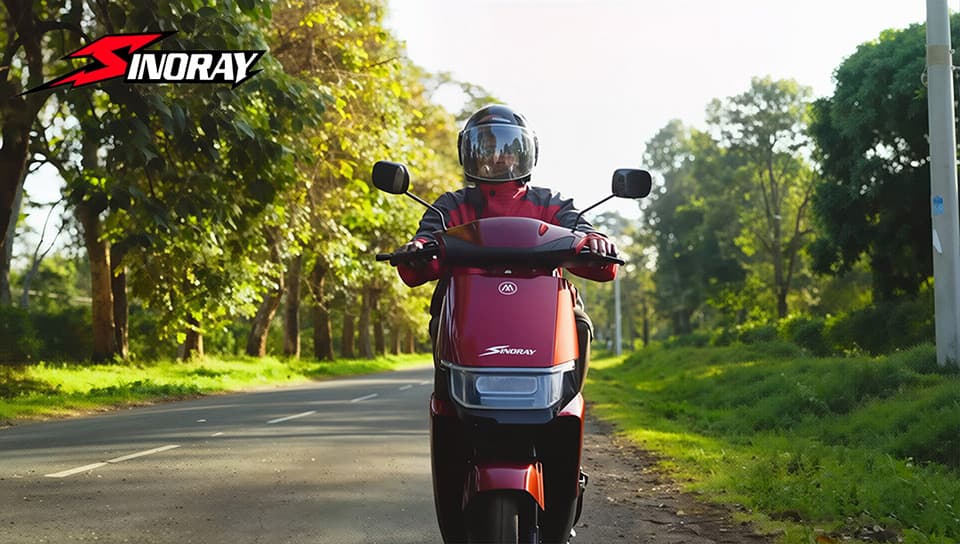
The real-world range of a high-performance electric motorcycle under highway speeds typically varies between 80 to 150 miles on a single charge, depending on battery capacity, aerodynamic efficiency, and riding conditions. Unlike city riding where regenerative braking and stop-and-go traffic can extend range, sustained highway speeds place maximum demand on the electric drivetrain, making range calculations more critical for long-distance planning.
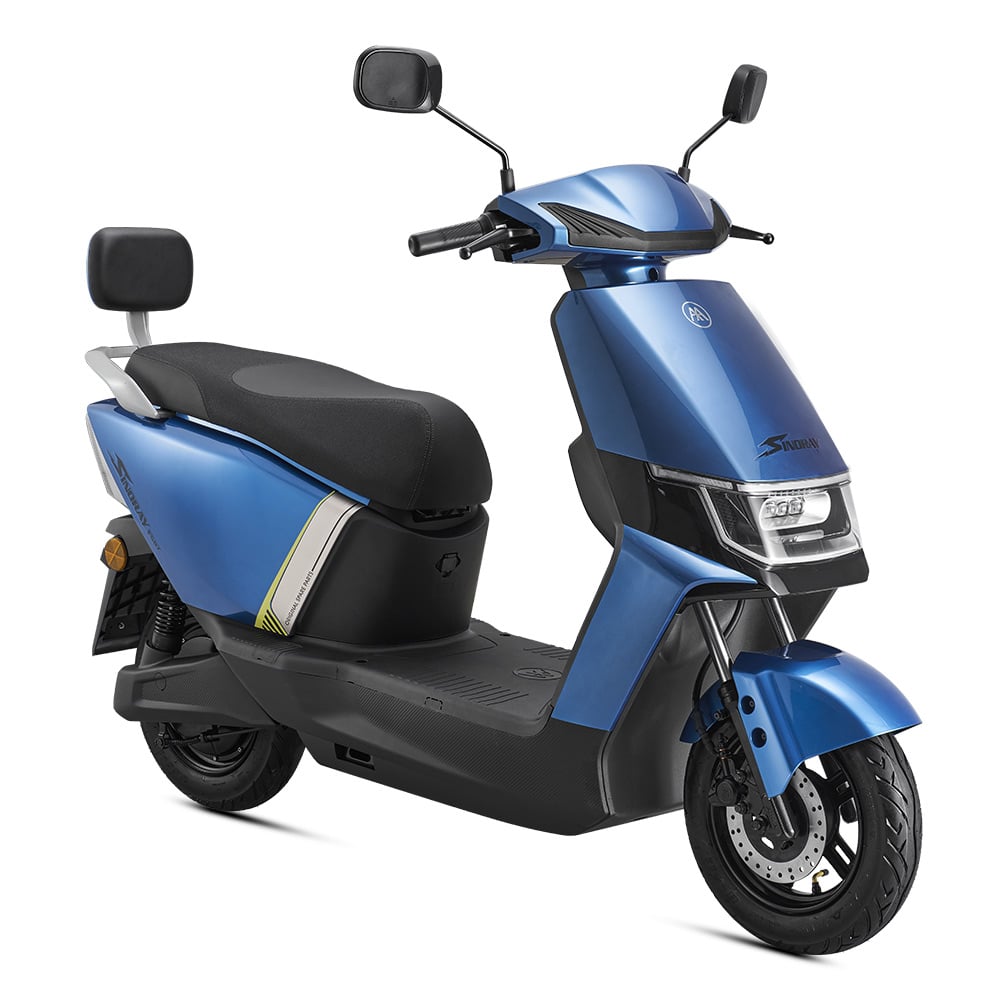
Understanding highway range performance requires analyzing how speed affects energy consumption patterns in electric motorcycles. At sustained speeds of 65-80 mph, battery drain accelerates significantly compared to urban riding conditions, making accurate range estimation essential for highway travel planning and route optimization.
Battery Capacity Impact on Highway Range Performance
Energy Density and Highway Consumption Rates
The relationship between battery capacity and highway range in a high-performance electric motorcycle follows predictable energy consumption patterns. Motorcycles equipped with 15-20 kWh battery packs typically deliver 100-140 miles of highway range, while smaller 10-12 kWh systems provide 70-90 miles under similar conditions. Energy density improvements in lithium-ion technology directly translate to extended highway performance capabilities.
Highway speeds demand consistent power output that eliminates the regenerative braking benefits available in city riding. This creates a linear relationship between battery capacity and achievable range, making larger battery systems essential for long-distance highway travel on electric motorcycles.
Temperature effects become more pronounced during highway riding, as sustained high-speed operation generates additional heat in both battery systems and motor components. Cold weather can reduce effective battery capacity by 15-25%, directly impacting highway range calculations for trip planning purposes.
Power Management Systems and Highway Efficiency
Advanced battery management systems in modern electric motorcycles optimize power delivery during highway speeds through intelligent thermal regulation and cell balancing. These systems monitor individual cell temperatures and adjust power output to maintain optimal operating conditions, preserving both range and battery longevity during extended highway rides.
Smart power management enables high-performance electric motorcycle systems to maintain consistent range predictions even under varying highway conditions. Real-time monitoring of energy consumption patterns allows riders to adjust speed and riding style to maximize available range during long-distance travel.
Integration of predictive algorithms helps optimize power distribution based on route topography and planned speeds. This technological advancement allows riders to make informed decisions about charging stops and route planning for highway travel scenarios.
Aerodynamic Factors Affecting Real-World Highway Range
Wind Resistance and Speed Correlation
Aerodynamic drag represents the primary energy consumption factor for any high-performance electric motorcycle operating at highway speeds. Energy requirements increase exponentially with speed, meaning that riding at 80 mph consumes approximately 60% more energy than maintaining 60 mph on level terrain.
Rider position and motorcycle design significantly influence aerodynamic efficiency during highway operation. Sport-oriented riding positions and integrated fairings can improve range by 10-20% compared to upright touring positions, making aerodynamic optimization crucial for maximum highway performance.
Crosswinds and headwinds further impact real-world highway range by increasing the energy required to maintain consistent speeds. Wind conditions can reduce effective range by 15-30% during adverse weather, requiring riders to factor environmental conditions into range planning calculations.
Vehicle Design and Streamlining Effects
Motorcycle manufacturers optimize body design and component placement to minimize drag coefficients and improve highway range performance. Integrated battery housings, streamlined bodywork, and carefully positioned cooling systems all contribute to enhanced aerodynamic efficiency at sustained highway speeds.
The relationship between weight distribution and aerodynamic performance becomes critical at highway speeds, as improper balance can create turbulence that increases energy consumption. Modern high-performance electric motorcycle designs integrate battery placement with aerodynamic considerations to optimize both handling and range efficiency.
Advanced computational fluid dynamics modeling helps manufacturers refine motorcycle shapes for optimal highway performance, resulting in designs that can achieve superior range compared to earlier electric motorcycle generations that prioritized other performance characteristics over aerodynamic efficiency.
Motor Efficiency and Highway Speed Performance
Electric Motor Operating Characteristics
Electric motors in high-performance motorcycles demonstrate varying efficiency curves across different operating speeds, with most systems achieving peak efficiency between 3,000-6,000 RPM. Highway speeds typically place motor operation within optimal efficiency ranges, contributing to predictable energy consumption patterns during sustained high-speed riding.
Permanent magnet synchronous motors commonly used in electric motorcycles maintain high efficiency levels across broad speed ranges, making them particularly well-suited for highway applications. These motor designs can achieve 92-95% efficiency during highway cruising, maximizing the conversion of battery energy into forward motion.
Heat generation in electric motors increases with sustained highway operation, requiring effective cooling systems to maintain optimal performance. Thermal management systems must balance cooling effectiveness with aerodynamic efficiency to preserve both motor performance and overall highway range capabilities.
Transmission and Drivetrain Considerations
Single-speed transmissions in most electric motorcycles eliminate gear-shifting losses but require motor designs optimized for broad speed ranges. This transmission approach simplifies drivetrain efficiency calculations and provides consistent power delivery characteristics across all highway speeds.
Direct drive systems minimize mechanical losses between motor and rear wheel, improving overall system efficiency during highway operation. The absence of complex transmission components reduces maintenance requirements while maximizing the percentage of battery energy that reaches the road surface.
Chain or belt final drive systems introduce minimal efficiency losses when properly maintained, typically reducing overall system efficiency by only 2-4%. Regular maintenance of final drive components helps preserve optimal highway range performance throughout the motorcycle's operational life.
Environmental Conditions and Range Variability
Temperature Effects on Highway Performance
Ambient temperature significantly influences battery chemistry and motor efficiency in high-performance electric motorcycles during highway operation. Optimal operating temperatures between 60-80°F provide maximum range performance, while extreme cold or heat can reduce effective range by 20-35% compared to ideal conditions.
Cold weather impacts battery internal resistance and chemical reaction rates, reducing available capacity and power output during highway speeds. Pre-conditioning systems that warm batteries before departure can partially mitigate cold weather range losses, though sustained highway operation in freezing conditions still reduces overall performance.
High ambient temperatures create additional cooling demands for both battery systems and electric motors, potentially requiring power diversion from propulsion to thermal management systems. This thermal load becomes more pronounced during sustained highway speeds in hot climates, affecting real-world range calculations.
Terrain and Elevation Impact
Highway grades and elevation changes dramatically affect energy consumption in electric motorcycles, with steep climbs requiring significantly more power than level terrain. Sustained climbs can reduce effective range by 40-60%, while long descents allow regenerative braking to partially recover energy and extend overall range.
Rolling resistance varies with road surface conditions, tire pressure, and tire compound selection. Properly inflated tires optimized for highway use can improve range by 5-10% compared to inappropriate tire choices or insufficient inflation pressure.
Geographic factors including altitude affect air density and consequently aerodynamic drag calculations. High-altitude highway riding reduces air resistance but may also impact cooling system effectiveness, creating complex interactions that influence real-world range performance.
FAQ
How does highway range compare to city riding range on electric motorcycles?
Highway range is typically 20-40% less than city riding range due to sustained high speeds eliminating regenerative braking benefits and increasing aerodynamic drag. City riding allows energy recovery during braking and operates at more efficient speeds, while highway speeds require continuous high power output that drains batteries faster.
What factors most significantly reduce highway range in real-world conditions?
Speed above 70 mph, headwinds, cold temperatures below 40°F, and steep terrain grades create the most dramatic range reductions. Speed increases have exponential effects, while environmental factors can each reduce range by 15-25% independently, creating cumulative impacts that significantly affect trip planning requirements.
Can highway range be improved through riding technique adjustments?
Yes, maintaining consistent speeds between 60-70 mph, adopting aerodynamic riding positions, and planning routes to minimize elevation changes can improve highway range by 15-25%. Smooth acceleration and deceleration patterns, combined with strategic use of regenerative braking during off-ramp approaches, help maximize available range during highway travel.
How accurate are manufacturer highway range estimates for real-world conditions?
Manufacturer estimates typically reflect optimal conditions and may overstate real-world performance by 10-20%. Actual highway range depends heavily on riding style, environmental conditions, and terrain factors that standardized testing cannot fully capture, making real-world range planning conservative estimates advisable for long-distance travel.
Table of Contents
- Battery Capacity Impact on Highway Range Performance
- Aerodynamic Factors Affecting Real-World Highway Range
- Motor Efficiency and Highway Speed Performance
- Environmental Conditions and Range Variability
-
FAQ
- How does highway range compare to city riding range on electric motorcycles?
- What factors most significantly reduce highway range in real-world conditions?
- Can highway range be improved through riding technique adjustments?
- How accurate are manufacturer highway range estimates for real-world conditions?