 EN
EN
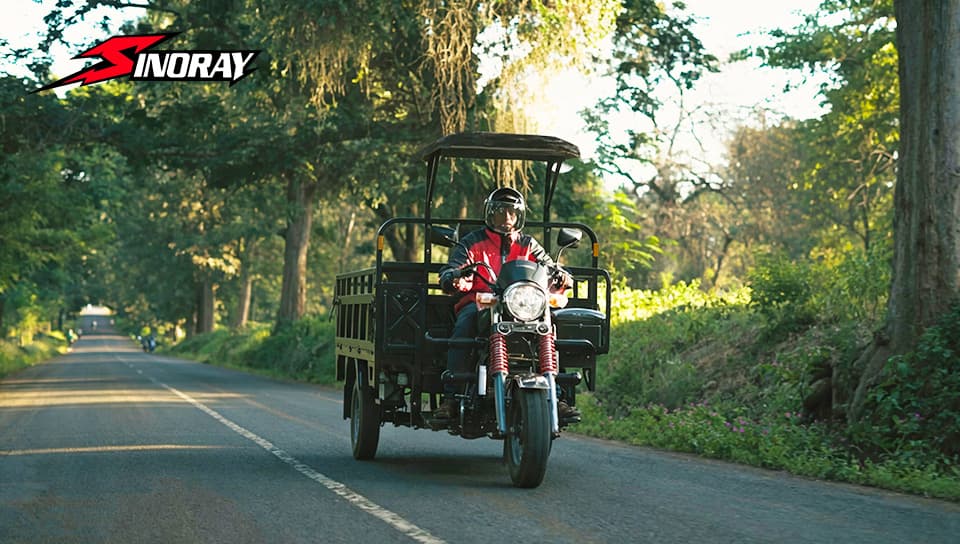
Selecting an electric tricycle with appropriate motor power for hilly urban terrain requires understanding the relationship between motor specifications, gradient capabilities, and real-world performance demands. The motor power rating directly influences your ability to climb inclines, maintain speed on varying terrain, and ensure reliable transportation across challenging urban landscapes. Making the right choice means evaluating your specific route characteristics, payload requirements, and performance expectations against available motor configurations.
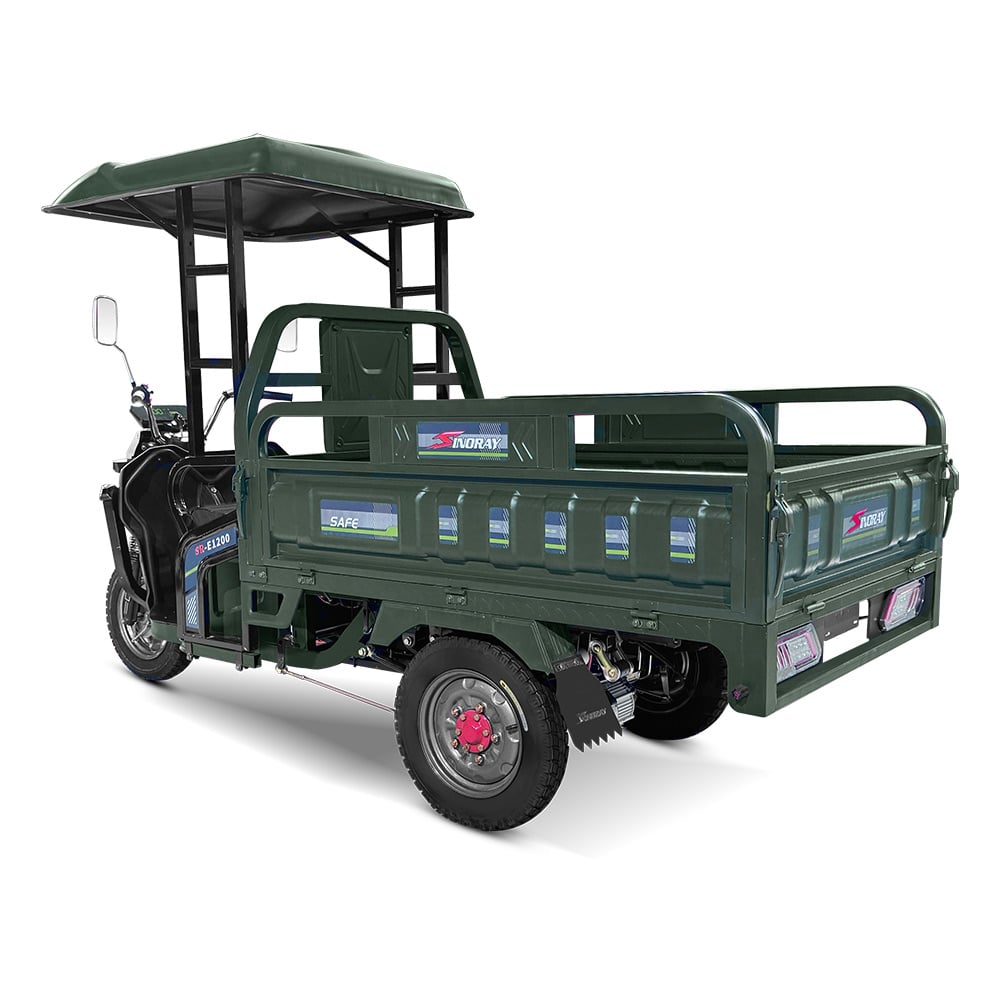
Urban hilly routes present unique challenges that standard flat-terrain electric tricycles may struggle to handle effectively. The combination of steep gradients, stop-and-start traffic conditions, and varying load requirements demands careful consideration of motor power specifications. Understanding these factors before purchase ensures you select a vehicle capable of meeting your daily transportation needs without compromising performance, safety, or operational efficiency in demanding urban environments.
Understanding Motor Power Requirements for Hill Climbing
Calculating Power Needs Based on Gradient Angles
The relationship between motor power and climbing ability follows established physics principles that determine minimum power requirements for specific gradient angles. Electric tricycle motor power needs increase exponentially with steeper inclines, as the motor must overcome both gravitational resistance and maintain forward momentum. For urban hills with gradients between 5-15%, motor power requirements typically range from 750W for moderate inclines to 1500W or higher for steeper residential or commercial district climbs.
Gradient calculation involves measuring the vertical rise over horizontal distance, with most urban environments featuring grades between 3-20% depending on geographic location and city planning. A 10% grade requires significantly more power than a 5% grade, often necessitating double the motor output to maintain consistent climbing speed. Professional assessment of your regular routes using smartphone gradient apps or GPS elevation data provides accurate baseline measurements for motor power selection.
Weight factors including rider mass, cargo load, and vehicle weight compound power requirements on inclines. Each additional 50 pounds of total system weight may require 100-150 watts of additional motor power to maintain climbing performance on moderate grades. This calculation becomes critical when selecting electric tricycle motor power for commercial applications, cargo transport, or riders who regularly carry substantial loads through hilly urban areas.
Motor Torque Characteristics for Urban Climbing
Motor torque delivery patterns determine real-world climbing performance more accurately than peak power ratings alone. High-torque motors provide better low-speed climbing ability, essential for navigating steep urban hills from stop positions at intersections or traffic lights. Brushless DC motors typically offer superior torque characteristics compared to brushed alternatives, delivering consistent power output across varying speed ranges encountered in hilly urban environments.
Peak torque versus sustained torque specifications reveal motor performance under extended climbing conditions. Many electric tricycle motor power ratings reflect peak output rather than continuous climbing capability, potentially leading to thermal limitations or power reduction during long hill climbs. Understanding these specifications ensures realistic performance expectations and appropriate motor selection for sustained urban hill climbing applications.
Gear reduction ratios work in conjunction with motor torque to optimize climbing performance for specific applications. Lower gear ratios multiply motor torque at the expense of top speed, making them ideal for hilly urban routes where climbing ability takes precedence over maximum velocity. The optimal balance between torque multiplication and speed capability depends on your specific route characteristics and performance priorities.
Evaluating Battery Capacity and Range Considerations
Power Consumption Patterns on Hilly Terrain
Electric tricycle motor power consumption increases dramatically on inclined surfaces, requiring larger battery capacity to maintain acceptable range between charges. Hill climbing can consume 2-3 times more energy than flat-terrain operation, significantly reducing overall range if battery capacity is inadequate for the motor power requirements. Understanding this relationship helps prevent range anxiety and ensures reliable transportation for daily urban commuting needs.
Battery voltage compatibility with motor power ratings affects both performance and efficiency characteristics. Higher voltage systems typically provide better efficiency and climbing performance, allowing smaller physical battery packages to deliver equivalent range. The relationship between battery voltage, motor power, and controller specifications must align properly to achieve optimal performance in hilly urban environments while maintaining system reliability and safety.
Regenerative braking capabilities can partially offset increased power consumption on hilly routes by recovering energy during descent phases. Quality electric tricycle motor power systems incorporate regenerative braking that converts kinetic energy back to battery storage, extending range and reducing brake wear on steep descents. This feature becomes particularly valuable in urban environments with frequent elevation changes and stop-and-go traffic patterns.
Matching Battery Specifications to Motor Requirements
Battery amp-hour ratings must align with motor power draw characteristics to prevent premature voltage sag under climbing loads. High-power motors require batteries capable of delivering sustained current output without significant voltage drop, which could limit climbing performance or trigger motor protection systems. Lithium battery technologies generally provide superior power delivery characteristics compared to lead-acid alternatives for demanding hilly urban applications.
Temperature considerations affect both motor performance and battery capacity in extreme weather conditions common to urban environments. Cold temperatures reduce battery capacity while increasing motor power requirements for climbing, potentially creating range limitations during winter operations. Quality battery management systems monitor temperature conditions and adjust power delivery to prevent damage while maintaining acceptable performance levels.
Charging infrastructure availability influences practical battery capacity requirements for daily urban operations. Limited charging access may necessitate larger battery capacity to ensure reliable transportation between charging opportunities. The balance between battery weight, capacity, and charging convenience affects overall vehicle performance and user experience in hilly urban environments.
Motor Configuration Options for Different Urban Applications
Hub Motor Versus Mid-Drive Motor Selection
Hub motor configurations offer simplicity and lower maintenance requirements but may struggle with sustained climbing performance compared to mid-drive alternatives. Hub motors deliver power directly to the wheel, eliminating complex drivetrain components but potentially creating unbalanced weight distribution and reduced climbing efficiency. For moderate urban hills and casual riding applications, quality hub motors with adequate electric tricycle motor power specifications can provide satisfactory performance at lower cost.
Mid-drive motor systems leverage existing bicycle gearing to multiply torque output, providing superior climbing performance for challenging urban terrain. These systems allow riders to shift gears for optimal motor efficiency across varying speed and gradient conditions. Mid-drive configurations typically offer better weight distribution and more natural riding characteristics, making them preferable for demanding urban applications requiring sustained climbing performance.
Dual motor configurations provide maximum climbing capability and redundancy for commercial or heavy-duty urban applications. Independent front and rear motor control allows optimized traction and power distribution across varying road conditions. While increasing system complexity and cost, dual motor setups offer unmatched climbing performance and operational reliability for demanding urban freight or passenger transport applications.
Controller and Throttle Response Characteristics
Motor controller programming affects power delivery characteristics crucial for safe and effective urban hill climbing. Programmable controllers allow customization of acceleration curves, maximum speed limits, and power assistance levels to match specific rider preferences and route requirements. Advanced controllers incorporate gradient sensing and automatic power adjustment to optimize electric tricycle motor power delivery for varying terrain conditions.
Throttle response timing influences rider control and safety during urban climbing situations. Gradual throttle response prevents sudden acceleration that could compromise stability on steep inclines, while immediate response may be necessary for merging into traffic or clearing intersections quickly. Adjustable throttle sensitivity allows riders to optimize control characteristics for their specific urban environment and riding style preferences.
Pedal-assist integration provides natural power delivery that complements rider input rather than replacing it entirely. Quality pedal-assist systems monitor rider effort and automatically adjust motor contribution to maintain consistent speed or power output regardless of terrain variations. This technology proves particularly valuable for longer urban commutes involving multiple elevation changes and varying traffic conditions.
Performance Testing and Real-World Validation
Route Analysis and Power Requirement Assessment
Systematic route analysis identifies specific motor power requirements for your regular urban travel patterns. GPS tracking apps can record elevation profiles, gradient percentages, and distance measurements to create detailed power requirement maps. This data enables precise electric tricycle motor power selection based on actual route demands rather than theoretical specifications or general recommendations from manufacturers or dealers.
Test ride procedures should replicate real-world conditions including typical cargo loads, weather conditions, and traffic patterns. Empty vehicle testing may not reveal performance limitations that become apparent under normal operating conditions. Comprehensive testing involves multiple rides across your intended routes with representative loads to validate motor power adequacy for daily operational requirements.
Performance benchmarking against specific criteria ensures objective evaluation of motor power adequacy. Establish minimum acceptable climbing speeds, maximum acceptable effort levels, and range requirements before testing. Document actual performance against these benchmarks to make informed decisions about motor power specifications and overall vehicle suitability for your urban transportation needs.
Safety and Reliability Considerations
Thermal management capabilities determine sustained climbing performance and system longevity under demanding urban conditions. Motors lacking adequate cooling may experience power reduction or shutdown during extended climbing sessions, potentially creating safety hazards in traffic situations. Quality electric tricycle motor power systems incorporate temperature monitoring and cooling features to maintain consistent performance during demanding urban operations.
Mechanical stress factors affect long-term reliability when operating in hilly urban environments. Higher power motors generate increased stress on drivetrain components, potentially accelerating wear rates and maintenance requirements. Understanding these relationships helps establish realistic maintenance schedules and operating procedures to ensure reliable transportation service throughout the vehicle's operational life.
Emergency performance capabilities become critical during unexpected situations in urban traffic environments. Adequate motor power reserves allow safe acceleration away from hazards, merging into traffic, or climbing unexpected inclines encountered during route deviations. Selecting motor power specifications with appropriate safety margins ensures reliable performance during both normal operations and emergency situations common to urban transportation environments.
FAQ
What minimum motor power is needed for climbing 15% urban hills?
For climbing 15% urban hills effectively, most riders require at least 1000-1500 watts of motor power depending on total system weight and desired climbing speed. Heavier loads or faster climbing speeds may necessitate 2000 watts or more. The exact power requirement depends on rider weight, cargo load, desired climbing speed, and acceptable effort level during the climb.
How does cold weather affect electric tricycle motor power performance?
Cold weather reduces battery capacity by 20-40% while potentially increasing motor power requirements for climbing due to increased mechanical resistance. This combination can significantly reduce range and climbing performance during winter operations. Quality battery management systems and motor controllers compensate partially for temperature effects, but reduced performance should be expected in extreme cold conditions.
Can I upgrade motor power on an existing electric tricycle for better hill climbing?
Motor power upgrades are possible but require careful evaluation of controller capacity, battery specifications, and mechanical component strength. Simply installing a higher power motor without upgrading supporting systems may result in poor performance, reduced reliability, or safety hazards. Professional assessment ensures compatibility between upgraded motor power and existing system components.
What motor power is optimal for commercial cargo delivery in hilly urban areas?
Commercial cargo delivery in hilly urban areas typically requires 1500-3000 watts of motor power depending on cargo capacity and route characteristics. Higher power enables maintaining delivery schedules despite challenging terrain and heavy loads. Dual motor configurations often provide optimal performance and reliability for demanding commercial applications requiring consistent climbing performance throughout long operating days.
Table of Contents
- Understanding Motor Power Requirements for Hill Climbing
- Evaluating Battery Capacity and Range Considerations
- Motor Configuration Options for Different Urban Applications
- Performance Testing and Real-World Validation
-
FAQ
- What minimum motor power is needed for climbing 15% urban hills?
- How does cold weather affect electric tricycle motor power performance?
- Can I upgrade motor power on an existing electric tricycle for better hill climbing?
- What motor power is optimal for commercial cargo delivery in hilly urban areas?