 EN
EN

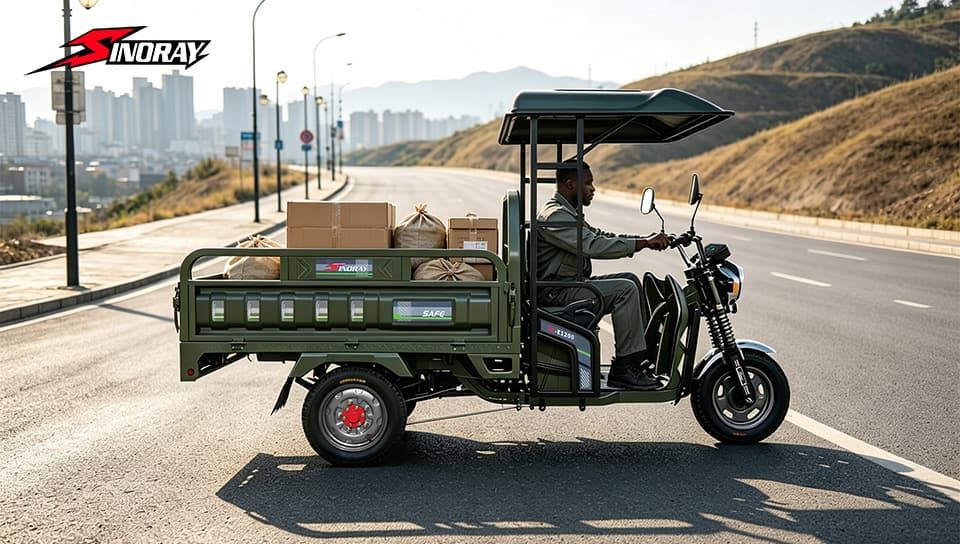
Daily delivery operations require precise range planning to maintain operational efficiency and customer satisfaction. When evaluating a high-capacity battery electric tricycle for commercial delivery services, understanding the expected range becomes crucial for route optimization, fleet management, and business viability. The range capabilities of modern electric tricycles have evolved significantly, offering delivery businesses reliable performance metrics that can be quantified and planned around specific operational requirements.
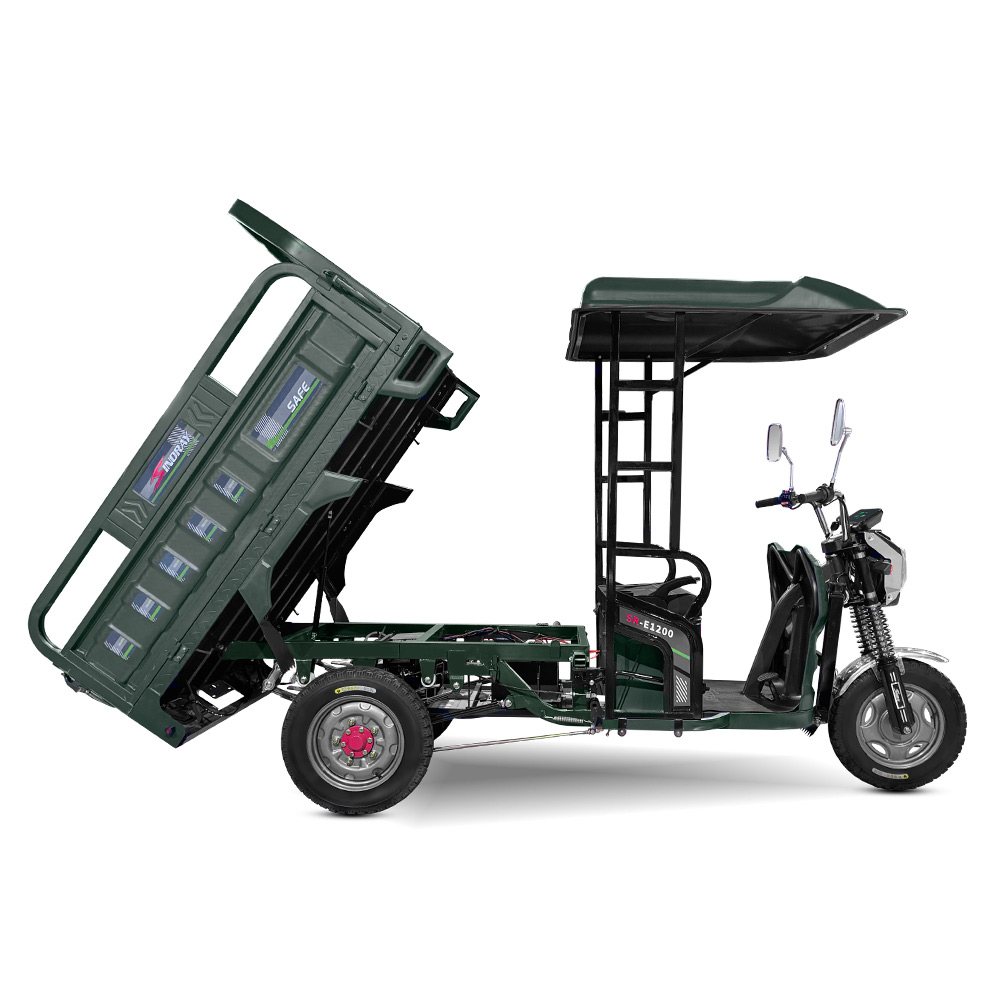
The range expectations for a high-capacity battery electric tricycle typically fall between 80 to 150 kilometers on a single charge under optimal conditions. However, real-world delivery scenarios involve multiple variables that directly impact this theoretical maximum. Load weight, terrain characteristics, weather conditions, driving patterns, and battery age all contribute to the actual range performance that delivery operators experience during daily operations. Understanding these factors enables businesses to set realistic expectations and develop sustainable delivery strategies.
Battery Technology and Range Fundamentals
Lithium-Ion Battery Performance Characteristics
Modern high-capacity battery electric tricycles primarily utilize lithium-ion battery technology, which provides the energy density and cycle life necessary for commercial delivery applications. These batteries typically range from 60V to 96V systems with capacity ratings between 50Ah to 100Ah, directly correlating to the vehicle's range potential. The energy storage capacity, measured in kilowatt-hours, determines the baseline range capability before considering external factors.
Battery management systems integrated into these tricycles monitor cell voltage, temperature, and charging cycles to optimize performance and longevity. The sophisticated monitoring ensures that the high-capacity battery electric tricycle maintains consistent range performance throughout its operational lifespan. Advanced battery chemistries, such as lithium iron phosphate, offer enhanced thermal stability and longer cycle life, contributing to more predictable range characteristics over extended periods.
Energy Consumption Patterns in Delivery Operations
Energy consumption in delivery operations varies significantly based on operational patterns and environmental conditions. Stop-and-go delivery routes consume more energy than continuous highway driving due to frequent acceleration and deceleration cycles. The regenerative braking systems in modern high-capacity battery electric tricycles help recover some energy during deceleration, but the overall consumption remains higher in urban delivery environments with multiple stops.
Temperature extremes affect battery performance and, consequently, range expectations. Cold weather reduces battery efficiency by 15-25%, while extreme heat can trigger thermal management systems that draw additional power. Delivery operators must factor these seasonal variations when planning routes and establishing range expectations for their high-capacity battery electric tricycle fleet. Understanding these consumption patterns allows for more accurate range predictions and operational planning.
Real-World Range Variables and Impact Factors
Load Weight and Cargo Distribution Effects
The payload capacity utilization directly affects range performance in high-capacity battery electric tricycles designed for delivery operations. A fully loaded tricycle carrying maximum payload will experience approximately 20-30% reduction in range compared to an empty vehicle. This reduction occurs due to increased rolling resistance, higher energy demands during acceleration, and additional stress on the motor system. Delivery businesses must balance payload optimization with range requirements to maximize operational efficiency.
Cargo distribution also influences energy consumption patterns. Unevenly distributed loads can affect vehicle stability and require additional energy to maintain proper handling characteristics. Proper load distribution techniques and cargo securing systems help maintain optimal energy efficiency while ensuring safe operation. The aerodynamic impact of cargo configuration becomes more significant at higher speeds, though most delivery operations occur at moderate speeds where this factor has minimal influence on range performance.
Terrain and Route Characteristics
Topographical variations significantly impact range expectations for high-capacity battery electric tricycles in delivery applications. Hilly terrain can reduce range by 25-40% compared to flat routes, depending on the severity and frequency of elevation changes. However, modern electric tricycles equipped with regenerative braking can recover some energy during downhill segments, partially offsetting the increased consumption during climbs.
Urban delivery routes with frequent traffic signals, stop signs, and congested areas create energy consumption patterns different from rural or suburban routes. The constant acceleration and deceleration cycles in urban environments typically reduce overall efficiency, but the lower average speeds may partially compensate for this increased consumption. Route planning software that considers these terrain and traffic factors enables more accurate range predictions for high-capacity battery electric tricycle operations.
Operational Range Optimization Strategies
Battery Charging and Management Practices
Optimal charging practices significantly influence the practical range capabilities of high-capacity battery electric tricycles in daily operations. Maintaining battery charge levels between 20% and 80% during regular operations helps preserve battery health and ensures consistent range performance. Fast charging capabilities allow for opportunity charging during breaks or lunch periods, effectively extending the operational range for longer delivery routes.
Temperature-controlled charging environments help maintain battery efficiency and longevity. Many commercial operations implement charging protocols that consider ambient temperature and battery condition to optimize charging speed and battery health. Smart charging systems can schedule charging during off-peak electricity hours, reducing operational costs while ensuring vehicles are ready for daily operations with maximum available range.
Route Planning and Fleet Management
Sophisticated route planning systems consider the range characteristics of high-capacity battery electric tricycles to optimize delivery efficiency. These systems analyze delivery density, distance requirements, and expected energy consumption to create routes that maximize vehicle utilization while maintaining adequate range reserves. Dynamic route adjustment capabilities allow for real-time optimization based on traffic conditions and delivery schedule changes.
Fleet management systems that monitor real-time battery status and range estimates enable proactive operational decisions. Managers can reassign deliveries between vehicles or adjust routes to prevent range-related service disruptions. Historical data collection from multiple high-capacity battery electric tricycles helps refine range predictions and improve future route planning accuracy. This data-driven approach maximizes fleet productivity while maintaining reliable service delivery.
Seasonal and Environmental Range Considerations
Weather Impact on Battery Performance
Seasonal weather variations create predictable patterns in range performance for high-capacity battery electric tricycles used in delivery operations. Winter conditions typically reduce available range by 15-25% due to decreased battery efficiency and increased energy demands for heating systems. Cold batteries require more energy to deliver the same power output, and the chemical reactions within lithium-ion cells slow down in low temperatures.
Summer heat can also impact range performance, though typically to a lesser degree than cold weather. High temperatures may trigger cooling systems that draw additional power, and extreme heat can reduce battery efficiency. However, many modern high-capacity battery electric tricycles include thermal management systems that maintain optimal battery operating temperatures, minimizing heat-related range reduction. Understanding these seasonal patterns allows delivery operations to adjust expectations and plan accordingly.
Maintenance Impact on Range Consistency
Regular maintenance practices directly influence the sustained range performance of high-capacity battery electric tricycles throughout their operational lifespan. Proper tire pressure maintenance ensures minimal rolling resistance, while worn tires can increase energy consumption by 5-10%. Motor and drivetrain maintenance prevents efficiency losses that gradually reduce available range over time.
Battery maintenance protocols, including periodic capacity testing and cell balancing, help maintain optimal range performance as the vehicle ages. Cleaning and inspecting electrical connections prevents power losses that could reduce overall efficiency. Systematic maintenance scheduling ensures that high-capacity battery electric tricycles maintain their specified range capabilities throughout their service life, preventing gradual performance degradation that could impact delivery operations.
Range Performance Monitoring and Analysis
Data Collection and Performance Tracking
Modern high-capacity battery electric tricycles incorporate sophisticated telemetry systems that provide detailed insights into range performance and energy consumption patterns. These systems collect data on distance traveled, energy consumed, charging cycles, and environmental conditions to build comprehensive performance profiles. Real-time monitoring allows operators to track range usage throughout delivery shifts and make informed decisions about route adjustments or charging needs.
Historical performance data enables delivery businesses to identify trends and optimize operational strategies. Tracking range performance across different seasons, load conditions, and route types provides valuable insights for fleet planning and route optimization. This data-driven approach helps establish realistic range expectations and identify opportunities for efficiency improvements in high-capacity battery electric tricycle operations.
Performance Benchmarking and Optimization
Establishing performance benchmarks for high-capacity battery electric tricycles helps delivery operations maintain consistent service levels and identify vehicles requiring attention. Comparing actual range performance against manufacturer specifications and fleet averages reveals potential issues before they impact operations. Regular benchmarking also helps evaluate the effectiveness of optimization strategies and maintenance practices.
Continuous improvement programs that analyze range performance data can identify operational practices that maximize efficiency. Driver training programs focused on energy-efficient driving techniques can improve range performance by 10-15% without requiring equipment modifications. Sharing best practices across the fleet helps standardize efficient operational procedures and maximize the range potential of each high-capacity battery electric tricycle in the delivery fleet.
FAQ
What is the typical daily range requirement for delivery operations with electric tricycles?
Most urban delivery operations require 60-100 kilometers of daily range, depending on route density and delivery frequency. High-capacity battery electric tricycles with 80-150 kilometer range capabilities provide adequate coverage for typical delivery schedules with appropriate margin for unexpected route extensions or suboptimal conditions.
How does payload weight affect the range of a high-capacity battery electric tricycle?
Maximum payload typically reduces range by 20-30% compared to an empty vehicle. A high-capacity battery electric tricycle rated for 120 kilometers when empty might achieve 85-95 kilometers when fully loaded, depending on terrain and driving conditions. This reduction is predictable and should be factored into route planning.
Can cold weather significantly impact electric tricycle delivery operations?
Yes, cold weather can reduce range by 15-25% due to decreased battery efficiency and increased energy demands. Delivery operations using high-capacity battery electric tricycles should plan shorter routes during winter months and consider heated storage or preconditioning systems to minimize cold weather impact on range performance.
How often should batteries be replaced in commercial delivery tricycles?
High-capacity battery electric tricycles typically maintain 80% of original range capacity for 3-5 years or 800-1200 charging cycles in commercial delivery applications. Battery replacement timing depends on operational demands, maintenance practices, and acceptable range degradation thresholds for the specific delivery operation requirements.
Table of Contents
- Battery Technology and Range Fundamentals
- Real-World Range Variables and Impact Factors
- Operational Range Optimization Strategies
- Seasonal and Environmental Range Considerations
- Range Performance Monitoring and Analysis
-
FAQ
- What is the typical daily range requirement for delivery operations with electric tricycles?
- How does payload weight affect the range of a high-capacity battery electric tricycle?
- Can cold weather significantly impact electric tricycle delivery operations?
- How often should batteries be replaced in commercial delivery tricycles?