 EN
EN

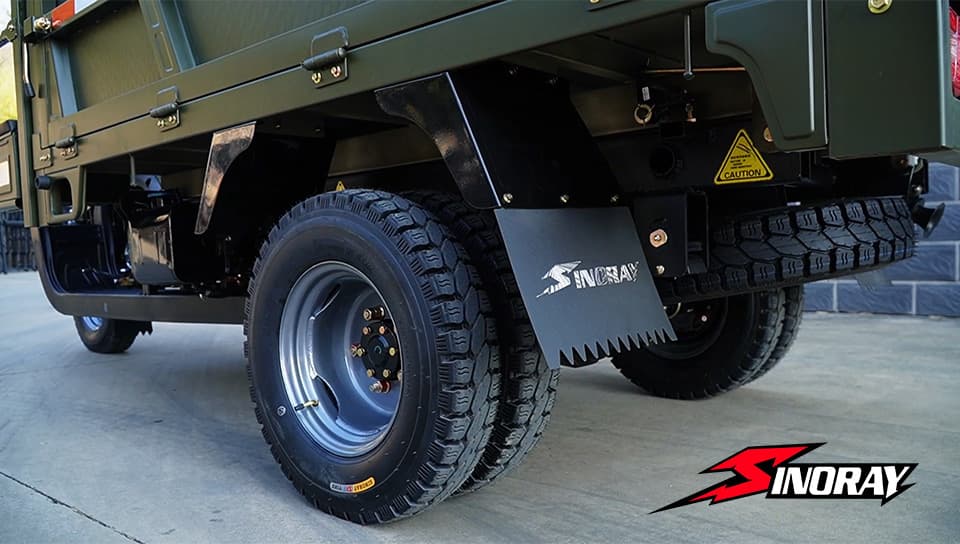
Yes, a fat-tire electric tricycle can absolutely provide stable traction on sand, snow, and gravel surfaces, making it an exceptional choice for riders who need reliable performance across diverse terrain conditions. The combination of oversized tires, three-wheel stability, and electric power assistance creates a unique platform that excels where traditional bicycles and even some four-wheel vehicles struggle to maintain grip and control.
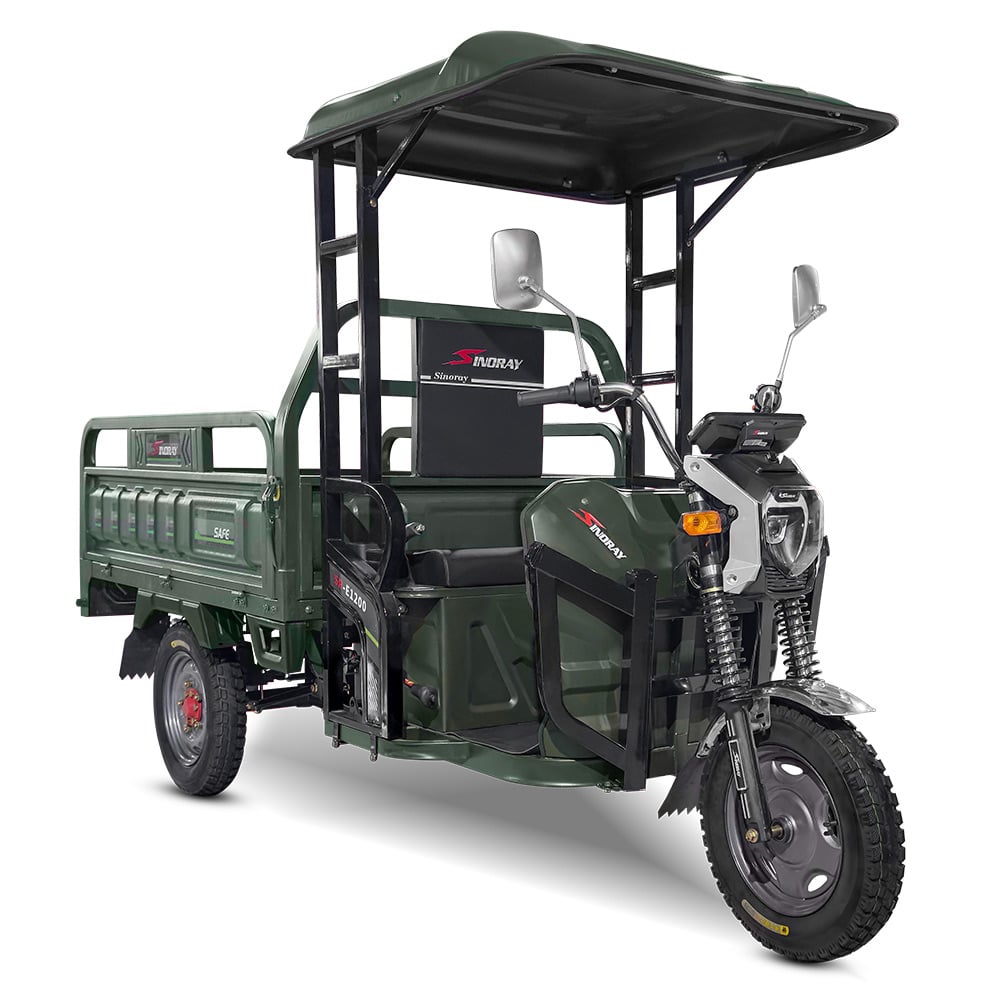
The effectiveness of a fat-tire electric tricycle on challenging surfaces stems from fundamental physics principles combined with intelligent design engineering. Fat tires distribute weight over a larger contact patch, reducing ground pressure while maximizing surface interaction. When paired with the inherent stability of a three-wheel configuration and the consistent torque delivery of electric motors, these vehicles achieve traction performance that often surprises even experienced off-road enthusiasts.
Understanding Fat-Tire Technology for Off-Road Traction
Tire Width and Ground Contact Physics
Fat-tire electric tricycles typically feature tires ranging from 3.0 to 5.0 inches in width, dramatically increasing the contact patch compared to standard bicycle tires. This expanded footprint distributes the combined weight of the rider, tricycle, and battery pack over a much larger surface area, reducing pounds per square inch of ground pressure. On soft surfaces like sand or fresh snow, this weight distribution prevents the fat-tire electric tricycle from sinking deeply, maintaining surface contact essential for forward momentum.
The relationship between tire pressure and traction performance becomes critical on varying surfaces. Lower tire pressures, typically between 5-15 PSI for fat-tire electric tricycles, allow the tire to conform more closely to surface irregularities, increasing grip on gravel and improving flotation on sand. This pressure flexibility gives riders the ability to optimize their fat-tire electric tricycle for specific terrain conditions encountered during their journey.
Tread Pattern Optimization for Multiple Surfaces
Modern fat-tire electric tricycles incorporate sophisticated tread designs that balance performance across multiple surface types. Aggressive knobby treads excel on loose gravel by providing mechanical grip, while wider, more spaced lugs help shed mud and snow buildup. The tread depth and pattern geometry directly influence how effectively a fat-tire electric tricycle can bite into soft surfaces and maintain traction during acceleration, braking, and cornering maneuvers.
Some fat-tire electric tricycle manufacturers offer seasonal tire options, allowing users to optimize their vehicle for predominant local conditions. Winter-specific treads feature deeper lugs and sometimes metal studs for ice traction, while summer configurations prioritize rolling efficiency and durability on mixed terrain. This adaptability makes the fat-tire electric tricycle a truly year-round transportation solution for users dealing with varying seasonal challenges.
Three-Wheel Stability Advantages in Challenging Conditions
Inherent Balance and Control Benefits
The three-wheel design of a fat-tire electric tricycle provides fundamental stability advantages that become particularly valuable on loose or slippery surfaces. Unlike bicycles that require dynamic balance and continuous rider input to remain upright, tricycles maintain stability even when stationary or moving at very low speeds. This characteristic proves invaluable when navigating through deep sand or snow where momentum loss can quickly lead to balance challenges on two-wheeled vehicles.
When one wheel encounters a soft spot or obstacle, the remaining two wheels continue providing support and traction, preventing the dramatic handling changes that can occur with bicycles. This redundancy allows riders to maintain confidence and control even when surface conditions vary dramatically within short distances. The fat-tire electric tricycle design distributes these stability benefits across a much wider track width, further enhancing resistance to tipping or sliding sideways on cambered surfaces.
Weight Distribution and Traction Management
The weight distribution characteristics of a fat-tire electric tricycle contribute significantly to its traction performance on challenging surfaces. Most designs place the battery pack low in the frame, creating a lower center of gravity that improves stability and increases downward force on the tires. This added weight, when properly distributed, actually enhances traction on loose surfaces where lighter vehicles might struggle to achieve adequate grip.
Additionally, the rider's weight distribution can be adjusted to optimize traction for specific conditions. On steep sandy inclines, shifting weight toward the rear wheels can prevent front-end lifting while maintaining drive wheel contact. The stable platform of a fat-tire electric tricycle allows riders to make these adjustments safely without compromising balance, unlike bicycles where weight shifts can lead to control loss.
Electric Motor Performance on Loose Surfaces
Torque Delivery and Traction Control
Electric motors in fat-tire electric tricycles provide several traction advantages over traditional pedal power or internal combustion engines. The instantaneous torque delivery of electric motors allows for precise power modulation, enabling riders to apply just enough force to maintain traction without overwhelming the available grip. This precise control proves particularly valuable when starting from a stop in sand or when climbing gradual grades on loose gravel.
Many modern fat-tire electric tricycle systems incorporate multiple power assist levels, allowing riders to select the appropriate power delivery for current surface conditions. Lower assist levels provide gentle power application ideal for maintaining traction on slippery surfaces, while higher levels deliver maximum torque for challenging climbs or deep sand traversal. This versatility ensures that the fat-tire electric tricycle can adapt to changing conditions throughout a single ride.
Regenerative Braking and Downhill Control
The regenerative braking capabilities of electric fat-tire electric tricycles provide additional control benefits on challenging surfaces. Unlike traditional friction brakes that can lock wheels and cause skidding on loose surfaces, regenerative braking applies consistent, controllable resistance through the motor system. This smooth deceleration helps maintain traction while descending gravel slopes or navigating through soft sand areas where sudden stops could cause loss of control.
The ability to modulate braking force electronically also means that riders can maintain better control when approaching obstacles or changing surface conditions. The fat-tire electric tricycle can gradually reduce speed while maintaining forward momentum, preventing the dead stops that often lead to traction loss and subsequent difficulty in regaining forward motion on challenging terrain.
Real-World Performance Scenarios and Limitations
Sand and Beach Performance Characteristics
On sandy surfaces, fat-tire electric tricycles demonstrate exceptional performance due to their flotation characteristics and consistent power delivery. The wide tires prevent deep sinking that plagues narrower wheels, while the electric motor provides steady torque to maintain forward progress even when rolling resistance increases significantly. Beach riding becomes accessible to riders who might otherwise struggle with the physical demands of pedaling through sand on conventional bicycles.
However, the effectiveness of a fat-tire electric tricycle on sand depends heavily on sand moisture content and density. Packed wet sand near the waterline provides excellent traction and relatively easy riding, while dry, loose sand inland requires more power and technique. Riders should expect increased battery consumption when riding on sand, as the electric motor works harder to overcome the higher rolling resistance inherent in soft surface conditions.
Snow and Winter Condition Performance
Winter conditions showcase both the strengths and limitations of fat-tire electric tricycles. In moderate snow depths up to 6-8 inches, these vehicles excel by floating over the surface rather than cutting through to harder ground beneath. The wide tires distribute weight effectively, preventing the deep trenching that can trap narrower wheels. Electric power assistance ensures riders can maintain momentum even when pedaling becomes difficult due to increased resistance.
Deep snow, ice, and extremely cold temperatures do present challenges for fat-tire electric tricycles. Battery performance decreases in cold weather, reducing range and power output. Ice conditions may require specialized studded tires for adequate grip, and very deep snow can overwhelm even fat tires if the snow depth approaches the ground clearance of the tricycle frame. Riders should understand these limitations and plan accordingly for winter fat-tire electric tricycle adventures.
FAQ
What tire pressure should I use for optimal traction on different surfaces?
For sand and snow, reduce tire pressure to 8-12 PSI to maximize the contact patch and improve flotation. On gravel and mixed terrain, 12-18 PSI provides a good balance of traction and rolling efficiency. For paved surfaces, you can increase to 15-20 PSI for better speed and battery range. Always check your fat-tire electric tricycle manufacturer's recommended pressure ranges before adjusting.
How much does surface type affect battery range on a fat-tire electric tricycle?
Surface type significantly impacts battery consumption. Riding on sand or snow can reduce range by 40-60% compared to paved surfaces due to increased rolling resistance. Gravel typically reduces range by 20-30%. Cold weather compounds these effects by reducing battery capacity. Plan for shorter trips when riding on challenging surfaces and carry backup power if available.
Can I add tire chains or studs to my fat-tire electric tricycle for extreme conditions?
Many fat-tire electric tricycles can accommodate studded tires for ice traction, but tire chains are generally not recommended due to clearance issues and potential damage to the frame or fenders. Studded fat tires provide excellent ice grip while maintaining the flotation benefits on snow. Consult your manufacturer before adding any traction aids to ensure compatibility and safety.
What maintenance considerations apply when regularly riding on sand, snow, or gravel?
Regular cleaning becomes essential when riding your fat-tire electric tricycle on challenging surfaces. Salt from winter road treatments can corrode components, while sand acts as an abrasive that accelerates wear. Clean and lubricate the chain more frequently, inspect tires for embedded debris, and protect electrical connections from moisture. Consider using frame protection film in high-wear areas to preserve your investment.
Table of Contents
- Understanding Fat-Tire Technology for Off-Road Traction
- Three-Wheel Stability Advantages in Challenging Conditions
- Electric Motor Performance on Loose Surfaces
- Real-World Performance Scenarios and Limitations
-
FAQ
- What tire pressure should I use for optimal traction on different surfaces?
- How much does surface type affect battery range on a fat-tire electric tricycle?
- Can I add tire chains or studs to my fat-tire electric tricycle for extreme conditions?
- What maintenance considerations apply when regularly riding on sand, snow, or gravel?