 EN
EN
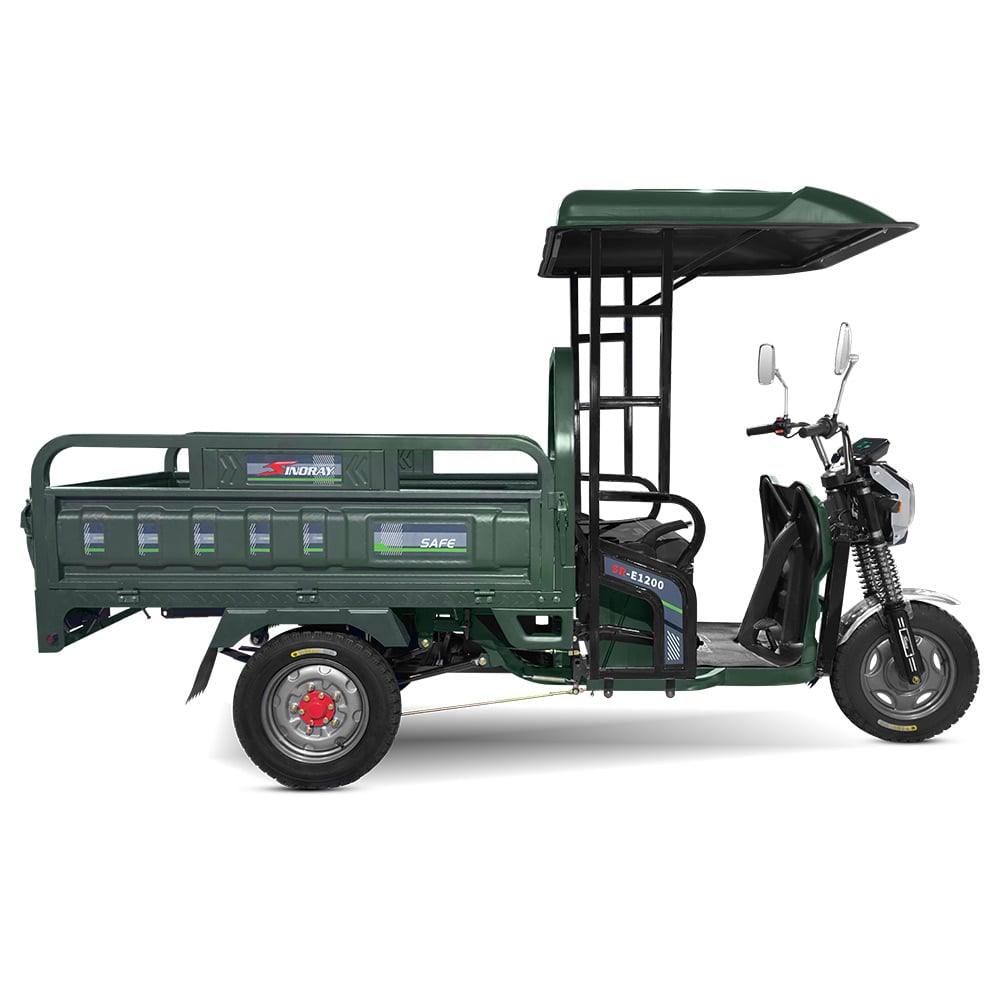
Selecting the right motor configuration for your electric tricycle represents one of the most critical decisions affecting performance, efficiency, and long-term satisfaction. The choice between hub motor and mid-drive systems fundamentally shapes how your electric tricycle handles terrain, delivers power, and meets specific operational requirements. Understanding the distinct characteristics of each configuration enables informed decision-making that aligns with your intended use case, budget constraints, and performance expectations.
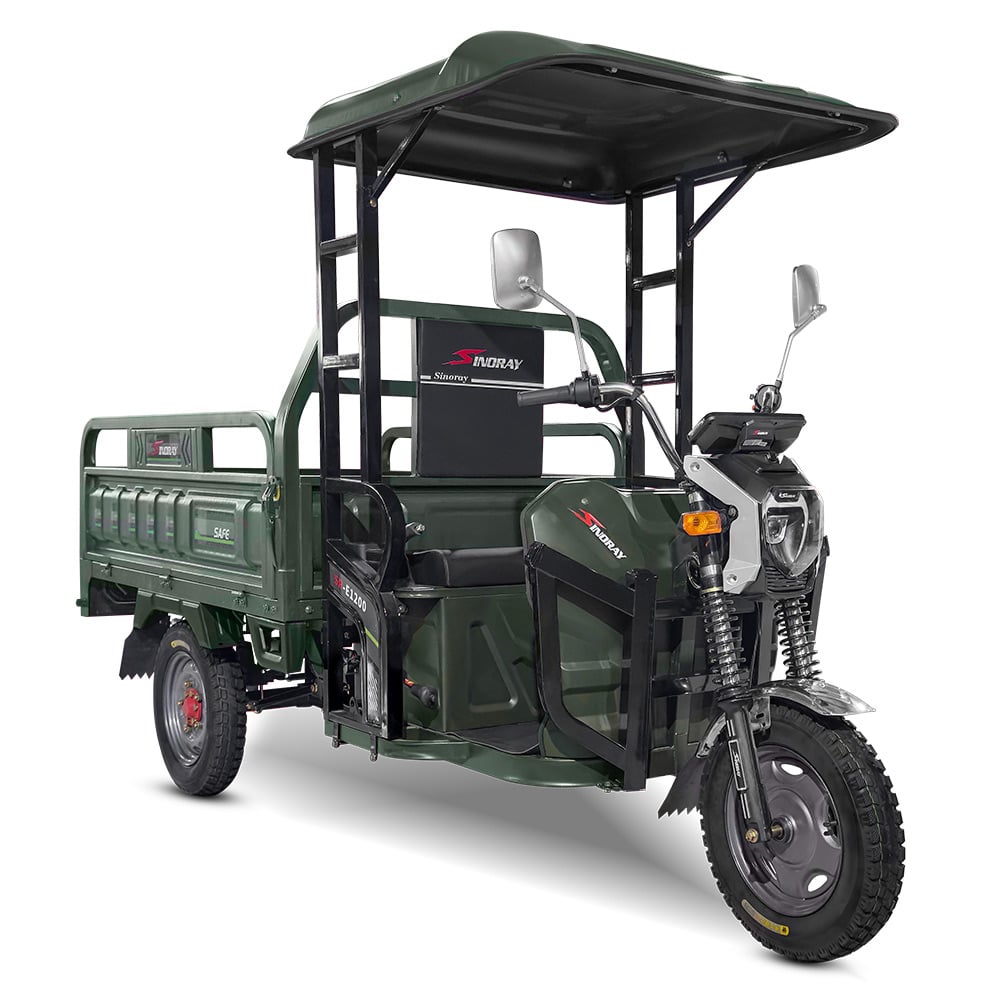
Modern electric tricycle configurations offer distinct advantages depending on whether the motor integrates directly into the wheel hub or connects to the drivetrain through the bicycle's existing gear system. Each approach delivers power differently, creating unique riding experiences and operational characteristics. The selection process requires careful evaluation of multiple factors including terrain demands, load requirements, maintenance preferences, and cost considerations that directly impact your electric tricycle ownership experience.
Understanding Hub Motor Electric Tricycle Systems
Direct Drive Hub Motor Characteristics
Hub motor electric tricycle systems integrate the motor directly into the wheel hub, creating a self-contained propulsion unit that operates independently of the tricycle's traditional drivetrain. This configuration eliminates the need for chains, belts, or gear connections between the motor and wheel, resulting in a mechanically simple design with fewer moving parts. The direct drive approach provides instant torque delivery and smooth acceleration characteristics that many riders find appealing for urban commuting and recreational use.
The positioning of hub motors typically occurs in the rear wheel of an electric tricycle, though some configurations place motors in the front wheel or utilize dual hub motors for enhanced traction. Rear hub motor placement maintains optimal weight distribution while providing excellent traction for climbing moderate inclines. The sealed motor housing protects internal components from environmental contamination, reducing maintenance requirements compared to exposed drivetrain systems.
Power delivery through hub motor systems remains consistent regardless of gear selection, since the motor operates independently of the pedal-driven transmission. This characteristic makes hub motor electric tricycle configurations particularly suitable for riders who prefer automatic power assistance without manual gear management. The direct connection between motor and wheel also enables regenerative braking capabilities, where the motor acts as a generator during deceleration to recover energy and extend battery range.
Geared Hub Motor Advantages
Geared hub motor systems incorporate internal planetary gearing to optimize torque delivery and efficiency across varying speed ranges. These motors typically operate at higher RPM internally while using gear reduction to provide appropriate wheel speed and increased torque multiplication. The geared approach allows smaller, lighter motors to deliver comparable performance to larger direct drive units, making them attractive for electric tricycle applications where weight management matters.
The internal gearing enables geared hub motors to maintain higher efficiency at lower speeds, where direct drive motors often struggle with heat generation and power consumption. This efficiency advantage translates to extended range and reduced battery drain during typical electric tricycle operation, particularly in stop-and-go urban environments or when climbing hills. The gear reduction also provides natural speed limitation, as the motor reaches maximum RPM before achieving excessive wheel speeds.
Maintenance requirements for geared hub motors remain minimal, though the internal gearing introduces additional complexity compared to direct drive systems. The planetary gear arrangement typically features robust construction designed for long service life, but eventual gear wear may require motor replacement rather than simple repair. However, the improved efficiency and torque characteristics often justify this trade-off for many electric tricycle applications.
Mid-Drive Electric Tricycle Configuration Benefits
Drivetrain Integration and Efficiency
Mid-drive electric tricycle systems position the motor at the bottom bracket, connecting directly to the bicycle's existing drivetrain through the chain and gear system. This integration allows the motor to leverage the tricycle's mechanical advantage, utilizing existing gears to optimize power delivery across different speed and torque requirements. The result creates a more natural riding experience that closely mimics traditional pedaling while providing electric assistance.
The ability to utilize existing gears significantly enhances climbing performance, as the motor can operate in lower gears for maximum torque multiplication on steep inclines. This characteristic makes mid-drive electric tricycle configurations particularly suitable for hilly terrain or applications requiring significant climbing ability. The motor operates at its most efficient RPM range while the gearing provides appropriate wheel speed, optimizing both performance and energy consumption.
Weight distribution with mid-drive systems centers the motor mass at the tricycle's lowest point, creating optimal balance and handling characteristics. This central positioning improves stability during cornering and reduces the unsprung weight compared to hub motor installations. The balanced weight distribution also enhances rider control and confidence, particularly when navigating challenging terrain or carrying heavy loads in cargo applications.
Performance Characteristics and Versatility
Mid-drive motors typically provide superior torque sensing and pedal integration, creating seamless power delivery that responds naturally to rider input. Advanced torque sensors monitor pedaling force and cadence to provide proportional assistance that feels intuitive and responsive. This sophisticated control enables precise power modulation that adapts to changing conditions without requiring manual intervention from the rider.
The gear integration enables mid-drive electric tricycle systems to maintain efficiency across a broader speed range compared to hub motors. Low-speed operation benefits from gear reduction for maximum torque, while higher speeds utilize taller gears to prevent motor over-revving. This versatility makes mid-drive systems particularly effective for varied terrain and diverse riding conditions.
Regenerative capabilities in mid-drive systems depend on specific motor design and controller implementation, though the drivetrain connection can complicate energy recovery compared to direct hub motor systems. However, the overall efficiency advantages often outweigh this limitation, particularly for riders who frequently encounter varied terrain requiring different power delivery characteristics.
Terrain and Application Considerations
Urban and Flat Terrain Performance
Hub motor electric tricycle configurations excel in urban environments and relatively flat terrain where consistent speed maintenance takes priority over climbing performance. The direct drive characteristics provide smooth, quiet operation ideal for commuting applications where rider comfort and minimal maintenance requirements matter most. Hub motors deliver immediate torque without gear engagement delays, creating responsive acceleration from stopped positions common in city riding.
The simplicity of hub motor systems reduces potential mechanical issues, making them suitable for high-frequency use scenarios like delivery services or daily commuting. The enclosed motor design protects against contamination from road debris, salt, and weather exposure common in urban environments. This protection translates to longer service life and reduced maintenance costs for commercial electric tricycle applications.
Range considerations in flat terrain often favor hub motor systems, particularly geared hub motors that maintain high efficiency during steady-speed cruise conditions. The absence of drivetrain losses through chains and gears can improve overall system efficiency when climbing requirements remain minimal. However, this advantage diminishes as terrain becomes more demanding and requires frequent speed and torque variations.
Hilly Terrain and Load-Carrying Applications
Mid-drive electric tricycle systems demonstrate clear advantages in hilly terrain and heavy load-carrying applications where gear multiplication becomes essential for maintaining performance. The ability to shift into lower gears enables mid-drive motors to maintain optimal RPM while delivering maximum torque to the wheels. This characteristic prevents motor overheating and maintains efficiency during extended climbing or heavy load situations.
Cargo electric tricycle applications particularly benefit from mid-drive systems when regular load carrying creates varying power demands. The gear integration allows the motor to adapt to changing load conditions by selecting appropriate gear ratios, maintaining consistent performance regardless of cargo weight. This adaptability makes mid-drive systems more versatile for commercial applications with variable loading requirements.
Battery life considerations in demanding terrain often favor mid-drive systems due to their ability to maintain efficiency across varying power demands. The motor operates within optimal RPM ranges while gears provide necessary torque multiplication, reducing current draw and heat generation compared to hub motors struggling with direct drive limitations. This efficiency advantage becomes particularly significant during extended use in challenging conditions.
Cost and Maintenance Factor Analysis
Initial Investment Considerations
Hub motor electric tricycle systems typically require lower initial investment due to simpler installation requirements and fewer integration components. The self-contained nature of hub motors reduces complexity during manufacturing and assembly, translating to lower retail prices for equivalent power ratings. Installation costs also remain minimal since hub motors require only basic electrical connections without drivetrain modifications.
Mid-drive systems command premium pricing due to sophisticated integration requirements and advanced control systems needed for proper drivetrain interaction. The motor must coordinate with existing gears and chain systems, requiring precise sensor integration and programming for optimal performance. This complexity increases both component costs and installation expenses, particularly for retrofit applications on existing tricycles.
Long-term value considerations must account for performance capabilities and maintenance requirements over the electric tricycle's service life. While hub motors offer lower initial costs, their limitations in challenging terrain may necessitate larger battery capacity to maintain acceptable performance, potentially offsetting initial savings. Mid-drive systems may justify higher initial investment through superior efficiency and versatility in diverse applications.
Service and Maintenance Requirements
Hub motor maintenance remains minimal due to the sealed, self-contained design that protects internal components from environmental contamination. Regular maintenance typically involves only basic cleaning and occasional bearing inspection, with no drivetrain adjustments required. This simplicity makes hub motor electric tricycle systems attractive for users preferring minimal mechanical involvement and reduced service costs.
Mid-drive systems require more frequent attention due to their integration with traditional drivetrain components that experience normal wear from chain stretch, gear adjustment, and component replacement. The motor's connection to the drivetrain means that chain and gear maintenance becomes more critical for optimal performance. However, this maintenance typically involves standard bicycle service procedures familiar to most mechanics.
Component replacement considerations differ significantly between motor types, with hub motors requiring complete unit replacement when internal failures occur, while mid-drive systems may allow individual component repair depending on the specific issue. The cost implications of these different approaches vary based on usage patterns and component availability in local markets.
FAQ
Which motor type provides better range for electric tricycle applications?
Range depends more on usage patterns than motor type, though mid-drive systems typically achieve better efficiency in varied terrain due to gear optimization. Hub motors may provide superior range in flat, consistent speed conditions, while mid-drive systems excel when frequent speed changes or climbing occurs. Battery capacity and riding style impact range more significantly than motor configuration alone.
Can hub motor electric tricycles handle steep hills effectively?
Hub motors can handle moderate hills, but their fixed gear ratio limits climbing performance compared to mid-drive systems. Direct drive hub motors may struggle with steep grades due to high current draw and potential overheating, while geared hub motors perform better but still lack the gear multiplication advantages of mid-drive systems. For occasional hill climbing, hub motors remain viable, but frequent steep terrain favors mid-drive configurations.
What maintenance differences exist between hub motor and mid-drive electric tricycle systems?
Hub motor systems require minimal maintenance due to their sealed design and independence from drivetrain components. Mid-drive systems need regular chain and gear maintenance since the motor integrates with these components. However, mid-drive systems allow individual component replacement, while hub motor failures typically require complete motor replacement. Overall maintenance complexity remains higher for mid-drive systems but offers greater repair flexibility.
How do weight and balance differ between motor configurations?
Hub motors add unsprung weight to the wheel, potentially affecting handling and ride quality, though this impact remains minimal for most electric tricycle applications. Mid-drive motors center weight at the bottom bracket, creating optimal balance and handling characteristics. The weight distribution advantage of mid-drive systems becomes more significant for performance-oriented applications or when carrying cargo loads that affect stability.