 EN
EN

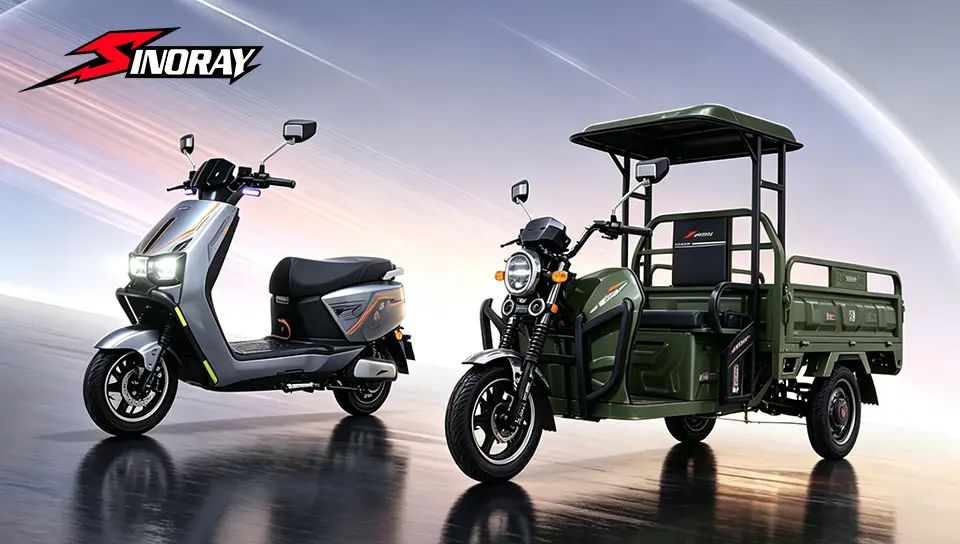
Selecting the right electric motorcycle for daily commuting requires careful consideration of charging capabilities, especially when time efficiency becomes a critical factor in your transportation routine. Fast-charging technology has revolutionized the electric motorcycle industry, enabling riders to minimize downtime and maximize productivity during their commutes. Understanding the various fast-charging standards, battery technologies, and practical charging scenarios will help you make an informed decision that aligns with your specific commuting needs and lifestyle requirements.
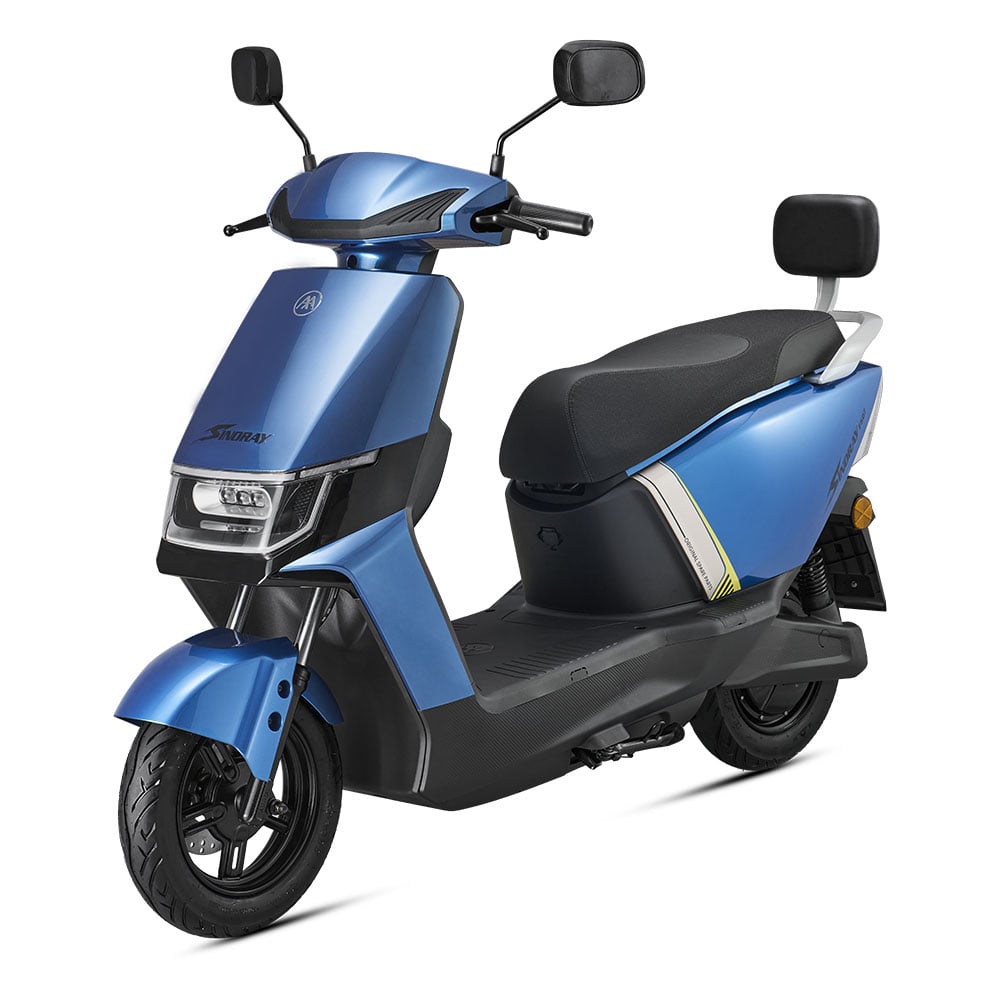
The decision to invest in an electric motorcycle with fast-charging capability extends beyond simple convenience, impacting your daily schedule, route planning, and overall commuting experience. Modern electric motorcycles offer varying charging speeds, battery capacities, and range capabilities that directly influence their suitability for different commuting patterns. Whether you face long-distance commutes, multiple daily trips, or unpredictable schedule changes, the right fast-charging electric motorcycle can provide the flexibility and reliability needed for seamless urban transportation.
Understanding Fast-Charging Technology in Electric Motorcycles
DC Fast-Charging Standards and Compatibility
DC fast-charging represents the most efficient charging method for electric motorcycles, delivering high-voltage direct current that bypasses the vehicle's onboard charger to charge the battery directly. Most modern electric motorcycles support charging rates between 50kW and 150kW, significantly reducing charging times compared to standard AC charging methods. Understanding the specific DC charging standards your potential electric motorcycle supports ensures compatibility with existing charging infrastructure in your commuting area.
The CCS (Combined Charging System) and CHAdeMO standards dominate the electric motorcycle fast-charging landscape, with newer models increasingly adopting CCS due to its widespread infrastructure support and higher charging speeds. Some manufacturers implement proprietary charging systems that offer optimized charging curves but may limit charging location options. When evaluating electric motorcycles for commuting, verify that the charging standard aligns with available fast-charging stations along your regular routes and backup charging locations.
Battery Chemistry and Charging Speed Optimization
Lithium-ion battery chemistry significantly influences fast-charging performance, with different formulations offering varying charging speeds, thermal management capabilities, and longevity characteristics. High-performance electric motorcycles typically utilize lithium iron phosphate (LiFePO4) or nickel manganese cobalt (NMC) battery chemistries that support rapid charging while maintaining safety and durability standards. The battery management system plays a crucial role in optimizing charging speeds while protecting against overheating, overcharging, and premature degradation.
Thermal management systems directly impact fast-charging capability, as batteries must maintain optimal temperature ranges to accept high charging rates safely. Advanced electric motorcycles feature liquid cooling systems or sophisticated air cooling designs that allow sustained fast-charging sessions without significant speed reduction due to thermal throttling. Understanding how different battery technologies and thermal management systems affect real-world charging performance helps identify electric motorcycles that consistently deliver advertised fast-charging speeds throughout various weather conditions and usage scenarios.
Evaluating Charging Infrastructure and Accessibility
Mapping Charging Networks Along Your Commute Route
Successful integration of an electric motorcycle into your daily commuting routine requires thorough analysis of fast-charging infrastructure availability along your primary and alternative routes. Major charging networks like Electrify America, ChargePoint, and EVgo continue expanding their fast-charging stations, but coverage density varies significantly between urban, suburban, and rural areas. Conducting a comprehensive route analysis helps identify potential charging gaps and informs backup planning for unexpected detours or extended commutes.
Modern charging network apps provide real-time availability information, pricing structures, and charging speed specifications that enable informed decision-making during route planning. Some electric motorcycle manufacturers offer integrated navigation systems that automatically locate compatible fast-charging stations and calculate optimal charging stops based on current battery levels and destination requirements. Evaluating the reliability and maintenance quality of charging stations along your commute ensures consistent access to functional fast-charging infrastructure when needed most.
Workplace and Home Charging Integration
Integrating workplace charging capabilities into your commuting strategy significantly reduces dependence on public fast-charging infrastructure and provides additional flexibility for daily scheduling. Many employers now offer Level 2 charging stations that can fully charge most electric motorcycles during standard work hours, eliminating the need for separate charging stops during commutes. Coordinating with facility management or human resources departments about available charging infrastructure and usage policies helps optimize your electric motorcycle selection based on workplace charging accessibility.
Home charging installation considerations directly influence the practical benefits of fast-charging capability for daily commuting scenarios. While home installations typically utilize Level 2 charging rather than DC fast-charging, having reliable overnight charging ensures your electric motorcycle starts each day with maximum range capacity. Installing higher-amperage Level 2 charging equipment can reduce overnight charging times and provide faster top-up charging for unexpected mid-day trips or extended commutes.
Assessing Range Requirements and Charging Frequency
Daily Commute Distance and Range Buffer Calculations
Accurate assessment of your daily commuting distance requirements forms the foundation for selecting an electric motorcycle with appropriate fast-charging capabilities and battery capacity. Most urban commuters travel between 20-50 miles daily, while suburban and exurban commuters may require 60-100 miles of daily range depending on route characteristics and traffic conditions. Calculating total daily mileage including potential detours, errands, and social activities ensures your electric motorcycle provides adequate range without requiring frequent fast-charging sessions.
Environmental factors significantly impact real-world range performance, requiring additional buffer capacity beyond basic distance calculations. Cold weather conditions can reduce electric motorcycle range by 15-30%, while aggressive acceleration, highway speeds, and steep terrain further decrease efficiency. Building in a 25-40% range buffer above your calculated daily requirements provides confidence for unexpected route changes, traffic delays, and seasonal efficiency variations without compromising commuting reliability.
Weekly and Monthly Charging Pattern Analysis
Understanding your weekly and monthly transportation patterns helps determine the optimal balance between battery capacity and fast-charging capability for your specific commuting needs. Commuters with consistent daily routines may prioritize larger battery capacity to minimize charging frequency, while those with variable schedules might benefit from smaller batteries with superior fast-charging speeds for maximum flexibility. Analyzing weekend travel requirements, vacation periods, and seasonal activity changes provides additional insight into the charging capabilities that best support your lifestyle.
Fast-charging capability becomes increasingly valuable for electric motorcycle owners who frequently exceed their typical daily range or encounter unexpected transportation demands. Business travelers, emergency responders, or individuals with unpredictable schedules benefit significantly from electric motorcycles that can rapidly replenish range during short stops. Evaluating how often you might need emergency charging or rapid range extension helps quantify the practical value of premium fast-charging features versus standard charging capabilities.
Technical Specifications and Performance Considerations
Battery Capacity and Charging Power Optimization
The relationship between battery capacity and maximum charging power determines the practical fast-charging performance of any electric motorcycle, with larger batteries typically supporting higher charging rates while requiring longer absolute charging times. Most commuter-oriented electric motorcycles feature battery capacities between 5-20 kWh, with charging powers ranging from 6kW to 50kW depending on the intended use case and price point. Understanding how different capacity and power combinations affect charging time and range replenishment helps identify the optimal configuration for your commuting requirements.
Charging curve characteristics significantly influence real-world fast-charging performance, as maximum charging speeds typically occur only during specific battery state-of-charge ranges. Most electric motorcycles achieve peak charging rates between 10-60% state of charge, with speeds gradually tapering as the battery approaches full capacity. Evaluating published charging curves or real-world testing data provides insight into practical charging times for common scenarios like lunch-break top-ups or emergency range extension sessions.
Motor Efficiency and Regenerative Braking Integration
Motor efficiency directly impacts the effective range and charging frequency requirements of electric motorcycles, with more efficient powertrains extending range per charge and reducing dependence on fast-charging infrastructure. High-efficiency permanent magnet synchronous motors typically deliver 90-95% energy conversion efficiency, while less expensive designs may operate at 80-85% efficiency levels. Comparing efficiency specifications across different electric motorcycle models helps identify options that maximize range while minimizing charging requirements for daily commuting scenarios.
Regenerative braking systems provide additional range extension and can reduce overall charging frequency by capturing energy during deceleration and downhill riding. Advanced regenerative braking implementations can recover 10-20% of total energy consumption during typical commuting scenarios, effectively extending range and reducing fast-charging session frequency. Evaluating the sophistication and effectiveness of regenerative braking systems adds another dimension to electric motorcycle selection for commuting applications where frequent stops and varied terrain are common.
Cost Analysis and Long-Term Value Assessment
Initial Purchase Price and Fast-Charging Premium
Electric motorcycles with advanced fast-charging capabilities typically command premium pricing compared to standard charging models, with differences ranging from $2,000 to $8,000 depending on the charging power level and battery technology implementation. Evaluating the cost-benefit relationship between fast-charging capability and your specific commuting requirements helps determine whether the additional investment provides proportional value for your transportation needs. Consider how frequently you would utilize fast-charging features and the time savings value for your particular lifestyle and work requirements.
Financing options and incentive programs can significantly impact the effective cost of electric motorcycles with fast-charging capability, with federal tax credits, state rebates, and manufacturer incentives potentially offsetting much of the technology premium. Many regions offer additional incentives specifically for zero-emission vehicles used in daily commuting applications, further improving the economic case for advanced electric motorcycle technology. Researching available incentive programs and calculating net purchase costs provides a more accurate picture of the financial investment required.
Operating Cost Savings and Infrastructure Investment
Fast-charging capable electric motorcycles can provide significant long-term operating cost savings compared to gasoline-powered alternatives, with electricity costs typically representing 25-40% of equivalent gasoline expenses for daily commuting. Public fast-charging session costs vary widely by location and network, ranging from $0.15 to $0.50 per kWh, while home charging rates typically fall between $0.08 and $0.25 per kWh depending on local utility rates and time-of-use programs. Calculating annual energy costs based on your expected mileage and charging patterns provides insight into long-term operational savings potential.
Maintenance cost reductions represent another significant advantage of electric motorcycles, with simplified powertrains requiring minimal routine maintenance compared to internal combustion engines. Fast-charging electric motorcycles eliminate oil changes, spark plug replacement, air filter service, and many other traditional maintenance requirements while providing superior reliability for daily commuting applications. Including maintenance savings in total cost of ownership calculations often reveals that premium electric motorcycles with fast-charging capability provide superior long-term value despite higher initial purchase prices.
FAQ
How long does it take to fast-charge an electric motorcycle for daily commuting?
Most modern electric motorcycles with fast-charging capability can replenish 80% of their battery capacity in 30-60 minutes using DC fast-charging stations. The exact charging time depends on the battery size, maximum charging power, and current state of charge. For daily commuting, a 15-30 minute charging session during lunch breaks can typically add 50-100 miles of range, providing sufficient energy for most urban and suburban commuting requirements.
What fast-charging standards should I look for in a commuting electric motorcycle?
Look for electric motorcycles that support CCS (Combined Charging System) or CHAdeMO fast-charging standards, as these offer the widest compatibility with existing charging infrastructure. CCS is becoming the preferred standard for newer vehicles due to higher charging speeds and growing network support. Avoid proprietary charging systems unless the manufacturer guarantees extensive charging network coverage in your commuting area.
How much does fast-charging cost compared to home charging for daily commutes?
Fast-charging sessions typically cost 2-4 times more than equivalent home charging, with public fast-charging rates ranging from $0.15-$0.50 per kWh compared to residential rates of $0.08-$0.25 per kWh. For a typical daily commute requiring 5-10 kWh, fast-charging costs range from $0.75-$5.00 per session, while home charging costs $0.40-$2.50. Strategic use of fast-charging for occasional needs while relying primarily on home charging optimizes operating costs.
Can I rely solely on fast-charging for my electric motorcycle without home charging?
While technically possible, relying solely on fast-charging for daily commuting is generally impractical and expensive for most users. Fast-charging networks may experience downtime, pricing premiums make daily use costly, and charging sessions require time planning that complicates commuting schedules. Most electric motorcycle owners find that home charging for routine needs combined with occasional fast-charging for extended trips or emergencies provides the optimal balance of convenience and cost-effectiveness.
Table of Contents
- Understanding Fast-Charging Technology in Electric Motorcycles
- Evaluating Charging Infrastructure and Accessibility
- Assessing Range Requirements and Charging Frequency
- Technical Specifications and Performance Considerations
- Cost Analysis and Long-Term Value Assessment
-
FAQ
- How long does it take to fast-charge an electric motorcycle for daily commuting?
- What fast-charging standards should I look for in a commuting electric motorcycle?
- How much does fast-charging cost compared to home charging for daily commutes?
- Can I rely solely on fast-charging for my electric motorcycle without home charging?