 EN
EN

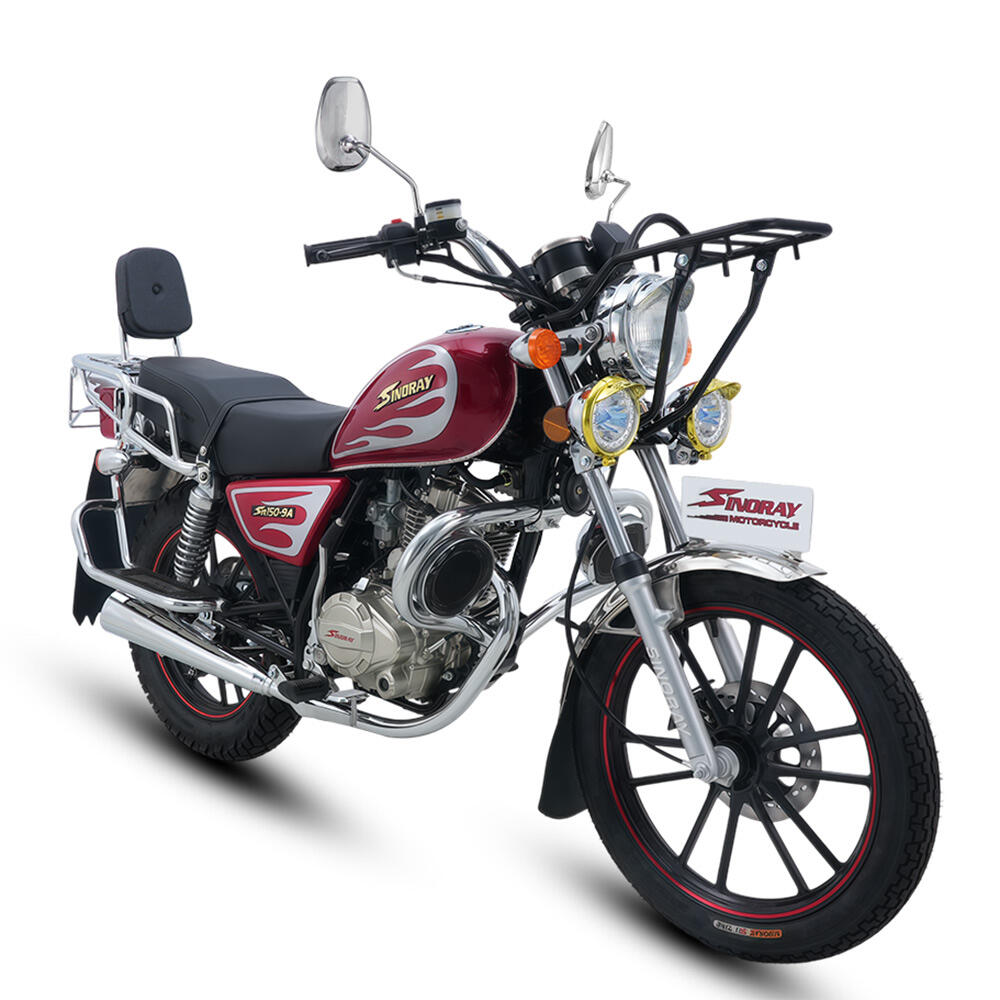
The African motorcycle market has experienced unprecedented growth in recent years, with Tanzania emerging as a key player driving regional demand for two-wheeled transportation solutions. Street motorcycles have become increasingly popular across East African nations, transforming urban mobility and creating new economic opportunities for millions of people. This surge in demand reflects broader socioeconomic changes, infrastructure development, and evolving consumer preferences that favor affordable, fuel-efficient transportation options over traditional alternatives.
Tanzania's motorcycle industry has witnessed remarkable expansion, with imports increasing by over 200% in the past decade. Local dealerships report consistent growth in sales volumes, particularly for entry-level and mid-range models that cater to both individual consumers and commercial operators. The government's supportive policies toward motorcycle importation and registration have further accelerated market penetration, making these vehicles more accessible to the general population.
Economic Drivers Behind Motorcycle Adoption
Rising Urbanization and Transportation Needs
Tanzania's rapid urbanization has created significant transportation challenges that traditional public transit systems struggle to address effectively. Major cities like Dar es Salaam, Mwanza, and Arusha experience daily traffic congestion that makes motorcycle travel increasingly attractive. Urban dwellers seek reliable, time-efficient transportation methods that can navigate crowded streets and provide door-to-door convenience without the high costs associated with private car ownership.
The informal economy plays a crucial role in driving motorcycle demand, as thousands of entrepreneurs establish small businesses centered around motorcycle transport services. These include passenger taxi services, delivery operations, and mobile vendor activities that rely on the flexibility and maneuverability that motorcycles provide in dense urban environments.
Employment Generation and Income Opportunities
Motorcycle ownership has become synonymous with economic empowerment for many young Tanzanians seeking alternative income streams. The bodaboda industry, which refers to motorcycle taxi services, employs hundreds of thousands of people across the country and provides essential last-mile connectivity in areas underserved by conventional transportation networks.
Financial institutions have recognized this trend by developing specialized motorcycle financing products that enable aspiring operators to purchase vehicles through affordable installment plans. These financing solutions have dramatically expanded access to street motorcycle in tanzania, allowing individuals with limited capital to enter the transportation business and generate sustainable income.
Infrastructure and Policy Factors
Government Support and Regulatory Framework
The Tanzanian government has implemented several policies that facilitate motorcycle adoption while ensuring road safety and proper vehicle registration. Recent regulatory changes have streamlined the import process for motorcycles, reduced bureaucratic barriers, and established clear guidelines for commercial motorcycle operations that protect both operators and passengers.
Investment in road infrastructure has also contributed to increased motorcycle usage, as improved road surfaces and expanded road networks make motorcycle travel safer and more comfortable. Government initiatives to develop rural road connections have opened new markets for motorcycle sales and created opportunities for motorcycle-based businesses in previously inaccessible areas.
Regional Trade Integration
Tanzania's participation in East African Community trade agreements has facilitated cross-border motorcycle commerce and technology transfer. Regional integration has enabled easier access to spare parts, maintenance services, and technical expertise that support the growing motorcycle ecosystem throughout the country.
Strategic partnerships with neighboring countries have established efficient supply chains for motorcycle imports and created opportunities for regional manufacturers to serve the Tanzanian market with models specifically designed for local conditions and preferences.
Market Dynamics and Consumer Preferences
Affordability and Fuel Efficiency
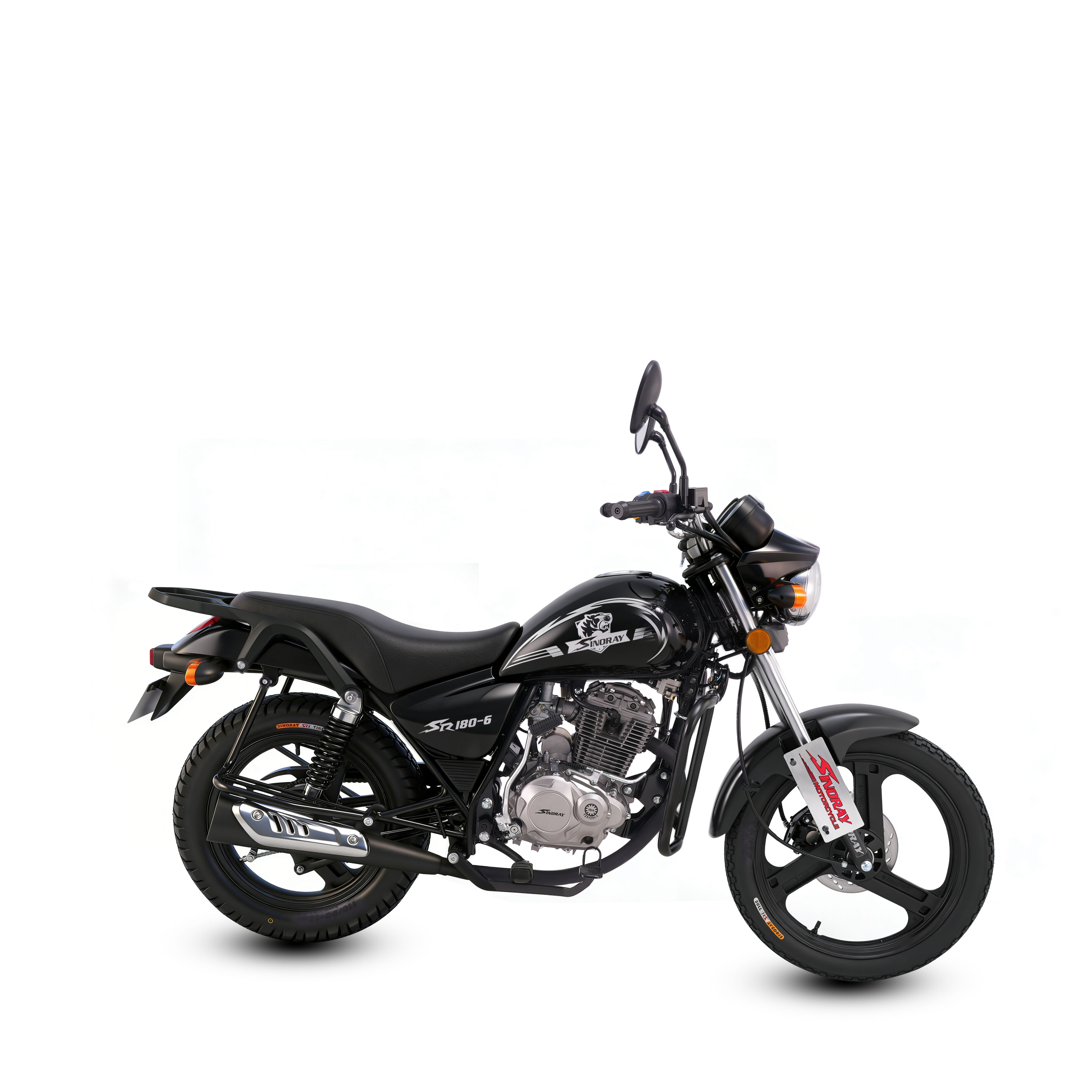
Price sensitivity remains a primary factor influencing motorcycle purchasing decisions in Tanzania, where consumers typically prioritize affordability and operational efficiency over premium features. Entry-level motorcycles with engine capacities between 100cc and 150cc dominate sales volumes due to their optimal balance of purchase price, fuel consumption, and maintenance costs.
Rising fuel prices have made motorcycles increasingly attractive compared to cars and larger vehicles, as modern motorcycle engines deliver exceptional fuel efficiency that significantly reduces transportation costs for both personal and commercial use. This economic advantage becomes particularly pronounced for users who travel frequently or operate transportation businesses where fuel costs directly impact profitability.
Durability and Maintenance Considerations
Tanzanian consumers show strong preferences for motorcycle brands and models with proven reliability records and readily available spare parts. Local market conditions, including varying road qualities and environmental factors, influence purchasing decisions toward motorcycles designed for durability and ease of maintenance in challenging operating conditions.
The development of local mechanic networks and training programs has improved maintenance service availability, making motorcycle ownership more practical and cost-effective for consumers across different regions. This infrastructure development has reduced concerns about long-term ownership costs and encouraged broader market adoption.
Regional Market Expansion
Cross-Border Influence and Market Spillovers
Tanzania's motorcycle market growth has generated positive spillover effects throughout East Africa, as successful business models and financing mechanisms developed in Tanzania are being replicated in neighboring countries. Regional entrepreneurs study Tanzanian market dynamics to identify opportunities for similar motorcycle-based businesses in their home markets.
Cultural and economic similarities between East African nations have facilitated the spread of motorcycle adoption patterns, with successful Tanzanian operators often expanding their businesses across borders or sharing knowledge and best practices with counterparts in Kenya, Uganda, and Rwanda.
Supply Chain Development
The growth of motorcycle demand in Tanzania has attracted international manufacturers and distributors who view the country as a strategic gateway to broader African markets. Major motorcycle brands have established regional distribution centers and assembly operations that serve multiple countries, reducing costs and improving product availability throughout the region.
Investment in regional supply chain infrastructure has created economies of scale that benefit consumers through lower prices and improved product variety. These developments have strengthened Tanzania's position as a regional hub for motorcycle commerce and contributed to sustainable market growth across multiple African nations.
Future Growth Prospects
Technological Advancement and Innovation
Emerging technologies are beginning to influence the Tanzanian motorcycle market, with electric motorcycles gaining attention as environmental concerns and fuel costs drive interest in alternative powertrains. Early adopters are experimenting with electric models, though widespread adoption awaits improvements in charging infrastructure and battery technology cost reduction.
Digital platforms and mobile applications are transforming how motorcycle services are delivered and managed, with ride-hailing apps and delivery platforms creating new market opportunities while improving service quality and customer convenience. These technological innovations are attracting younger consumers and expanding the market beyond traditional motorcycle users.
Sustainability and Environmental Considerations
Growing environmental awareness among consumers and policymakers is encouraging the development of cleaner, more efficient motorcycle technologies that reduce emissions while maintaining affordability. This trend is expected to drive innovation in engine design and alternative fuel systems that align with global sustainability goals.
International development organizations are supporting initiatives that promote sustainable transportation solutions, including programs that facilitate access to environmentally friendly motorcycles and training for sustainable transportation business practices.
FAQ
What factors contribute to the popularity of motorcycles in Tanzania
The popularity of motorcycles in Tanzania stems from several key factors including affordability compared to cars, excellent fuel efficiency, ability to navigate traffic congestion, and significant income generation opportunities through commercial transportation services. Government policies supporting motorcycle imports and registration have also facilitated market growth.
How has motorcycle adoption impacted employment in Tanzania
Motorcycle adoption has created hundreds of thousands of jobs in Tanzania through the bodaboda industry, delivery services, and related support businesses. Young people particularly benefit from motorcycle-based employment opportunities that provide flexible income generation without requiring formal education or significant startup capital.
What challenges face the motorcycle market in Tanzania
Key challenges include road safety concerns, need for improved infrastructure, ensuring quality spare parts availability, and developing comprehensive insurance and financing products. Additionally, balancing rapid growth with environmental sustainability and traffic management requires ongoing attention from policymakers and industry stakeholders.
How does Tanzania's motorcycle market influence neighboring countries
Tanzania's successful motorcycle market development serves as a model for neighboring East African countries, with business practices, financing mechanisms, and regulatory approaches being adapted across the region. Regional trade integration facilitates cross-border motorcycle commerce and creates opportunities for shared supply chain development and technology transfer.