 EN
EN

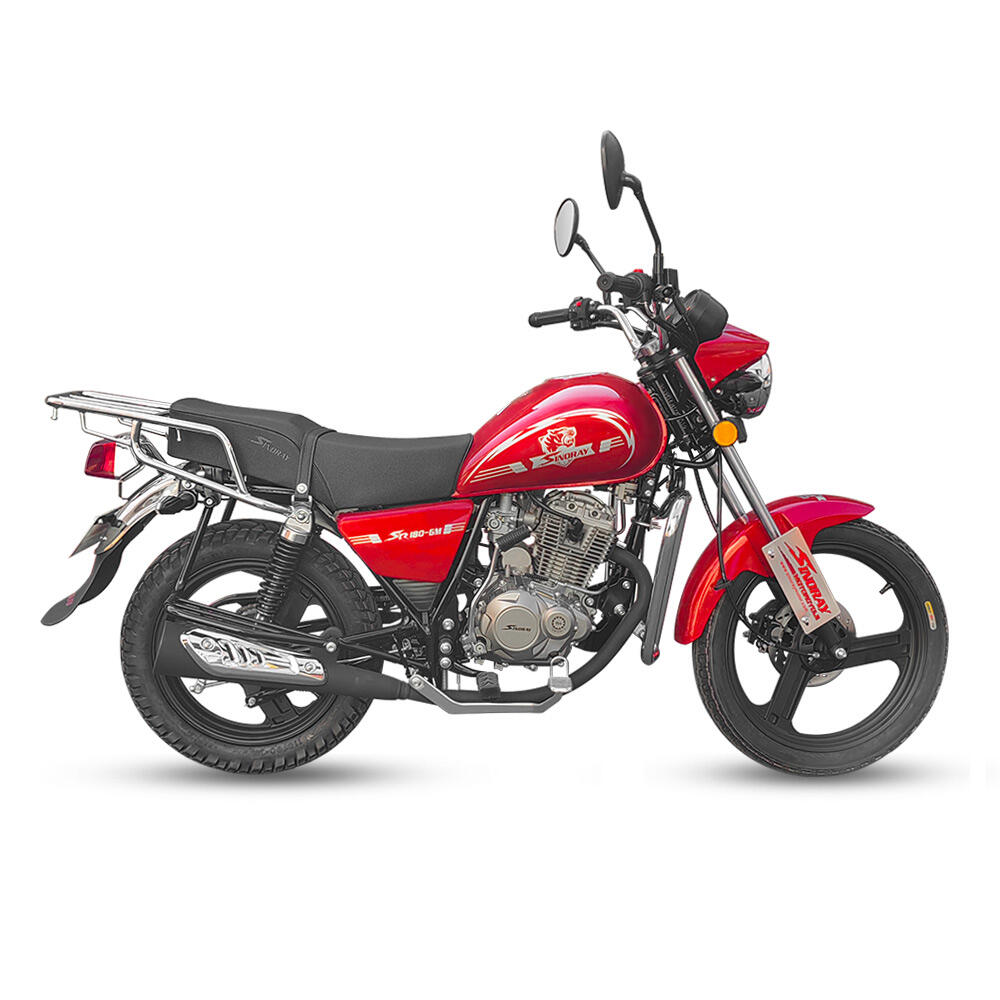
Africa's transportation landscape is experiencing a revolutionary shift as street motorcycles emerge as the backbone of modern mobility solutions across the continent. From bustling urban centers like Lagos and Nairobi to remote rural communities, these versatile two-wheelers are bridging connectivity gaps and creating unprecedented economic opportunities. The adoption of street motorcycles has accelerated dramatically over the past decade, fundamentally changing how people move, work, and access essential services throughout African nations.
Economic Impact and Employment Generation
Motorcycle Taxi Services Revolutionizing Transportation
The emergence of motorcycle taxi services, known locally as boda-boda in East Africa and okada in West Africa, has created millions of employment opportunities across the continent. Young entrepreneurs are leveraging street motorcycles to establish profitable transportation businesses that serve both urban and rural populations. These services provide affordable, efficient mobility solutions that traditional taxi systems often cannot match in terms of accessibility and cost-effectiveness.
In countries like Uganda, Kenya, and Nigeria, motorcycle taxi operators have become integral to daily economic activities. They transport passengers, deliver goods, and facilitate commerce in areas where conventional vehicles struggle to navigate. The flexibility and maneuverability of street motorcycles enable operators to access narrow streets, rural pathways, and congested urban areas that larger vehicles cannot reach.
Small Business Development and Entrepreneurship
Beyond passenger transportation, street motorcycles are catalyzing small business growth across diverse sectors. Entrepreneurs are utilizing these vehicles for delivery services, mobile retail operations, and agricultural transportation. The relatively low initial investment required to purchase a motorcycle compared to other commercial vehicles makes entrepreneurship more accessible to individuals with limited capital.
Mobile vendors equipped with street motorcycles can expand their market reach significantly, accessing customers in previously unreachable locations. This mobility enables small business owners to diversify their income sources and build more resilient economic foundations. Agricultural communities particularly benefit as farmers can transport produce to markets more efficiently, reducing post-harvest losses and increasing profitability.
Infrastructure Development and Accessibility
Overcoming Transportation Challenges
Africa's infrastructure challenges have historically limited mobility options, particularly in rural and peri-urban areas. Street motorcycles offer a practical solution to these limitations, operating effectively on unpaved roads, narrow paths, and terrain that would be impassable for larger vehicles. This capability has opened up previously isolated communities to economic opportunities and essential services.
The adaptability of street motorcycles to diverse road conditions makes them invaluable in regions where infrastructure development is still progressing. During rainy seasons when roads become challenging to navigate, motorcycles often remain the only viable transportation option, ensuring continuity of essential services and economic activities.
Healthcare and Emergency Services Enhancement
Street motorcycles have become critical components of healthcare delivery systems across Africa. Medical professionals and emergency responders utilize these vehicles to reach patients in remote areas quickly. Ambulance motorcycles equipped with medical supplies can navigate challenging terrain to provide life-saving interventions where traditional ambulances cannot operate.
Community health workers increasingly rely on street motorcycles to conduct regular visits, deliver medications, and transport patients to healthcare facilities. This mobility enhancement has improved maternal health outcomes, vaccination coverage, and emergency response times in underserved regions.
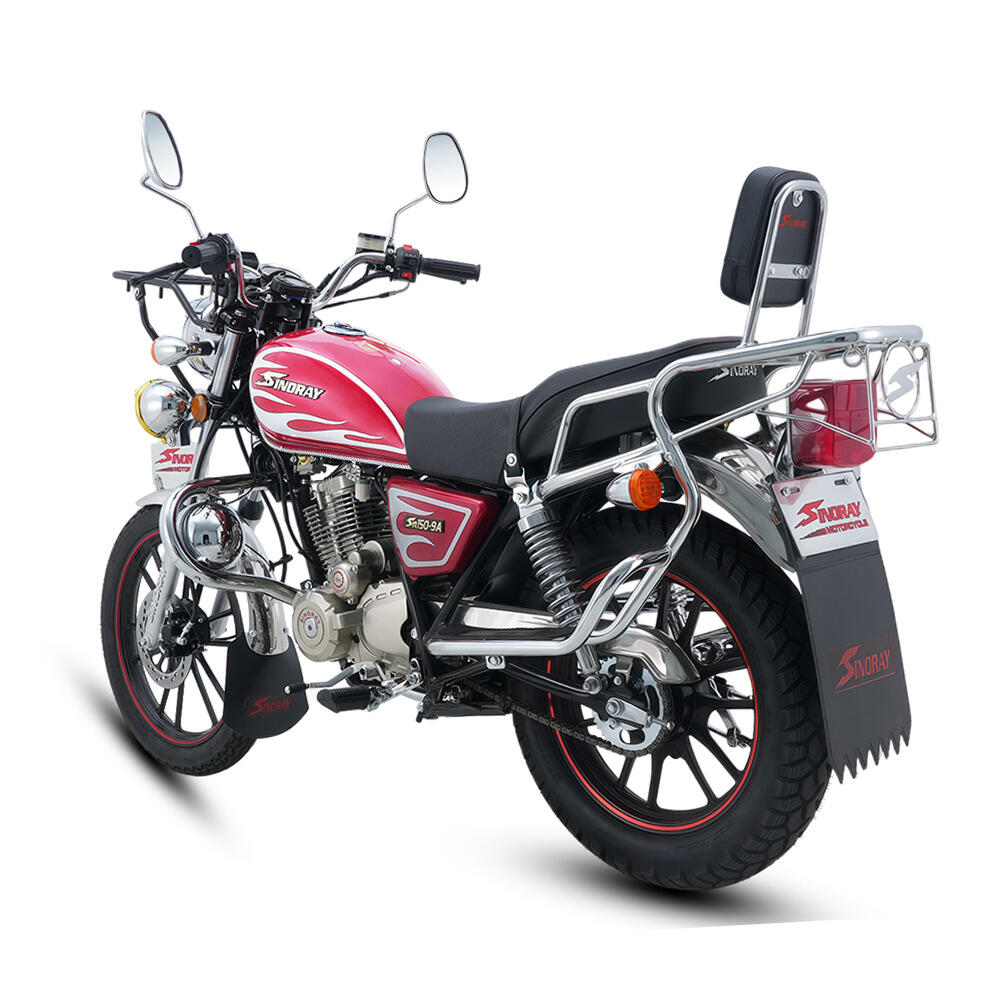
Technological Integration and Innovation
Digital Platforms and Mobile Applications
The integration of digital technology with street motorcycle transportation has spawned innovative platforms that streamline service delivery and improve user experiences. Mobile applications connecting riders with motorcycle taxi operators have emerged across major African cities, offering transparent pricing, GPS tracking, and cashless payment options.
These technological solutions address traditional challenges such as fare negotiation, safety concerns, and service reliability. Riders can now book motorcycle taxis through smartphones, track their journey in real-time, and provide feedback to improve service quality. This digitization has professionalized the motorcycle taxi industry and enhanced consumer confidence.
Financial Inclusion and Digital Payments
Street motorcycle operations have become catalysts for financial inclusion initiatives across Africa. Mobile money platforms integrated with motorcycle taxi services enable cashless transactions, helping bring unbanked populations into the formal financial system. Operators can receive payments digitally, build credit histories, and access financial services previously unavailable to them.
Microfinance institutions have developed specialized loan products for motorcycle purchases, enabling aspiring entrepreneurs to enter the transportation sector. These financial innovations support economic mobility and create pathways for individuals to build sustainable livelihoods through street motorcycle operations.
Environmental Considerations and Sustainability
Fuel Efficiency and Reduced Emissions
Compared to larger vehicles, street motorcycles offer superior fuel efficiency, making them economically attractive and environmentally beneficial. The reduced fuel consumption per passenger or cargo unit contributes to lower transportation costs and decreased carbon emissions. This efficiency becomes particularly significant in urban areas where traffic congestion and air pollution are growing concerns.
Many African cities are exploring electric street motorcycles as sustainable alternatives to conventional fuel-powered models. These initiatives align with global sustainability goals while addressing local environmental challenges. Electric motorcycles offer reduced operating costs and eliminate direct emissions, making them attractive options for urban transportation systems.
Urban Planning and Traffic Management
The proliferation of street motorcycles has influenced urban planning strategies across African cities. Transportation planners are incorporating motorcycle lanes and parking facilities into road design projects. These infrastructure adaptations acknowledge the permanent role of street motorcycles in urban mobility systems and aim to improve traffic flow and safety.
Traffic management systems are evolving to accommodate the unique characteristics of motorcycle transportation. Dedicated lanes, traffic signals, and parking areas specifically designed for street motorcycles help reduce congestion and improve overall transportation efficiency in urban environments.
Challenges and Regulatory Framework
Safety Standards and Training Programs
The rapid growth of street motorcycle usage has highlighted the need for comprehensive safety standards and training programs. Governments across Africa are developing regulatory frameworks that balance accessibility with safety requirements. Mandatory helmet use, licensing procedures, and vehicle inspection standards are being implemented to reduce accident rates and protect operators and passengers.
Training programs for motorcycle operators focus on road safety, customer service, and basic mechanical knowledge. These initiatives improve service quality while reducing the risks associated with motorcycle transportation. Professional development opportunities help operators build skills that enhance their earning potential and career prospects.
Insurance and Legal Protection
The formalization of street motorcycle transportation requires appropriate insurance coverage and legal protections for operators and passengers. Insurance companies are developing specialized products that address the unique risks and operational characteristics of motorcycle transportation services. These protections provide security for operators while building consumer confidence in motorcycle taxi services.
Legal frameworks governing motorcycle transportation continue to evolve as governments recognize the economic importance of this sector. Registration procedures, operational permits, and dispute resolution mechanisms are being established to create stable operating environments for street motorcycle businesses.
Future Prospects and Growth Opportunities
Market Expansion and Investment Potential
The street motorcycle sector in Africa presents significant investment opportunities as demand continues to grow across urban and rural markets. International manufacturers are increasing their presence on the continent, developing models specifically designed for African operating conditions. Local assembly plants and manufacturing facilities are emerging to meet growing demand while creating employment opportunities.
Investment in supporting infrastructure such as spare parts distribution networks, maintenance facilities, and fuel stations creates additional business opportunities. These developments contribute to the overall growth and sustainability of the street motorcycle ecosystem across Africa.
Integration with Public Transportation Systems
Street motorcycles are increasingly being integrated into comprehensive public transportation systems as first-mile and last-mile connectivity solutions. This integration enhances the effectiveness of mass transit systems by providing seamless connections between residential areas and major transportation hubs. The combination of motorcycles with buses, trains, and other public transport modes creates more efficient and accessible mobility networks.
Urban planners are designing transportation systems that leverage the strengths of street motorcycles while complementing other transportation modes. This integrated approach maximizes mobility options for residents while optimizing the use of transportation infrastructure investments.
FAQ
What factors have contributed to the rapid adoption of street motorcycles across Africa
The widespread adoption of street motorcycles in Africa results from several converging factors including affordability compared to cars, ability to navigate poor road infrastructure, low fuel consumption, and the economic opportunities they create for entrepreneurs. Additionally, the flexibility to access remote areas and the relatively low maintenance requirements make them practical solutions for diverse transportation needs across the continent.
How do street motorcycles impact economic development in rural African communities
Street motorcycles significantly enhance economic development in rural communities by connecting farmers to markets, enabling access to healthcare and education services, and creating employment opportunities for young people. They facilitate the transportation of agricultural products, reduce post-harvest losses, and enable small businesses to expand their market reach beyond local boundaries, ultimately improving income generation and quality of life.
What safety measures are being implemented to address motorcycle transportation risks
African governments are implementing comprehensive safety measures including mandatory helmet laws, operator licensing requirements, vehicle registration systems, and regular safety inspections. Training programs focus on road safety education, defensive driving techniques, and customer service skills. Additionally, insurance products specifically designed for motorcycle operations provide financial protection for operators and passengers.
How are digital technologies transforming the street motorcycle industry in Africa
Digital technologies are revolutionizing the street motorcycle industry through mobile applications that connect riders with operators, GPS tracking systems for enhanced security, digital payment platforms for cashless transactions, and data analytics for route optimization. These innovations improve service reliability, transparency, and user experience while enabling operators to build digital financial histories and access formal financial services.
Table of Contents
- Economic Impact and Employment Generation
- Infrastructure Development and Accessibility
- Technological Integration and Innovation
- Environmental Considerations and Sustainability
- Challenges and Regulatory Framework
- Future Prospects and Growth Opportunities
-
FAQ
- What factors have contributed to the rapid adoption of street motorcycles across Africa
- How do street motorcycles impact economic development in rural African communities
- What safety measures are being implemented to address motorcycle transportation risks
- How are digital technologies transforming the street motorcycle industry in Africa