 EN
EN

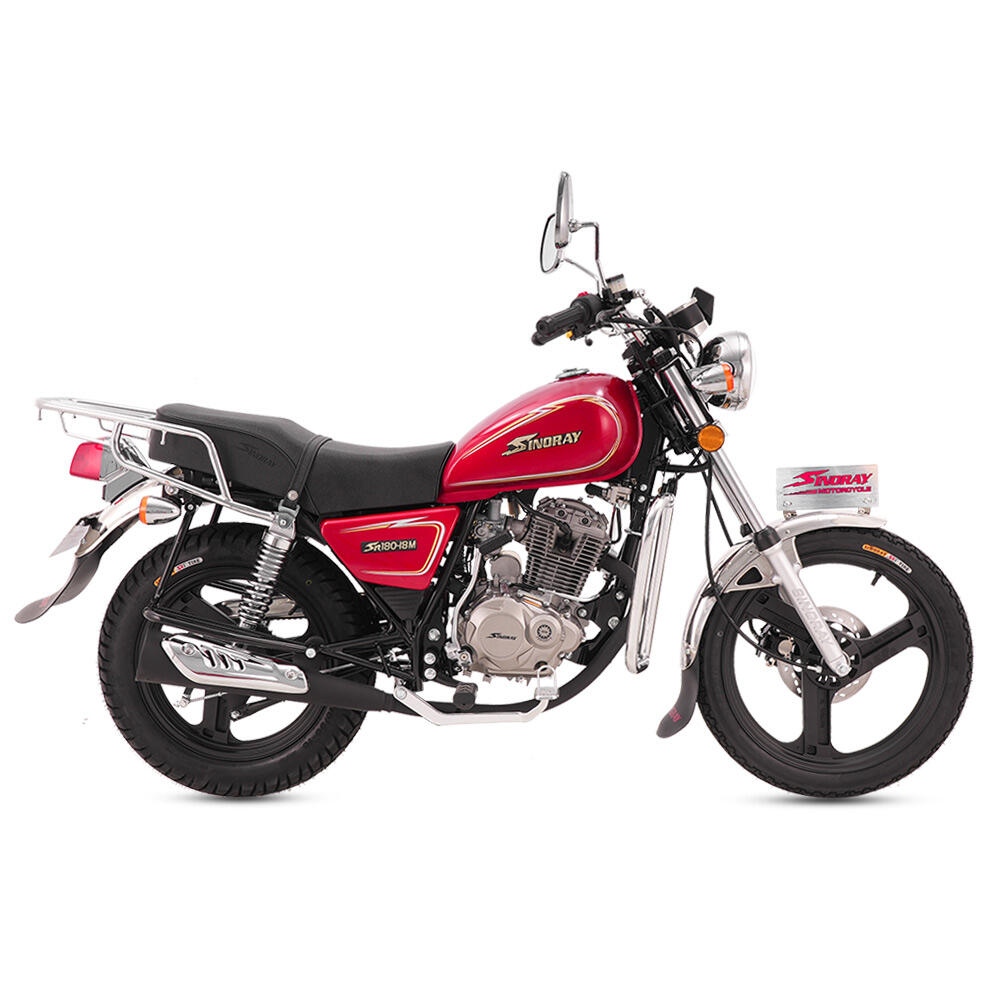
The Rising Popularity of Two-Wheeled Economy
In an era where transportation costs continue to surge, motorcycles have emerged as a beacon of financial wisdom for commuters and travelers alike. The evolution of two-wheeled vehicles from mere recreational toys to practical mobility solutions reflects a growing awareness of their economic benefits. As urban areas become increasingly congested and parking spaces scarce, motorcycles represent a compelling answer to modern transportation challenges.
The shift toward cost-effective transportation has never been more relevant, as people seek ways to maintain mobility while reducing their financial burden. Motorcycles perfectly align with this objective, offering an impressive combination of affordability, efficiency, and practicality that's hard to match with traditional four-wheeled vehicles.
Financial Benefits of Motorcycle Ownership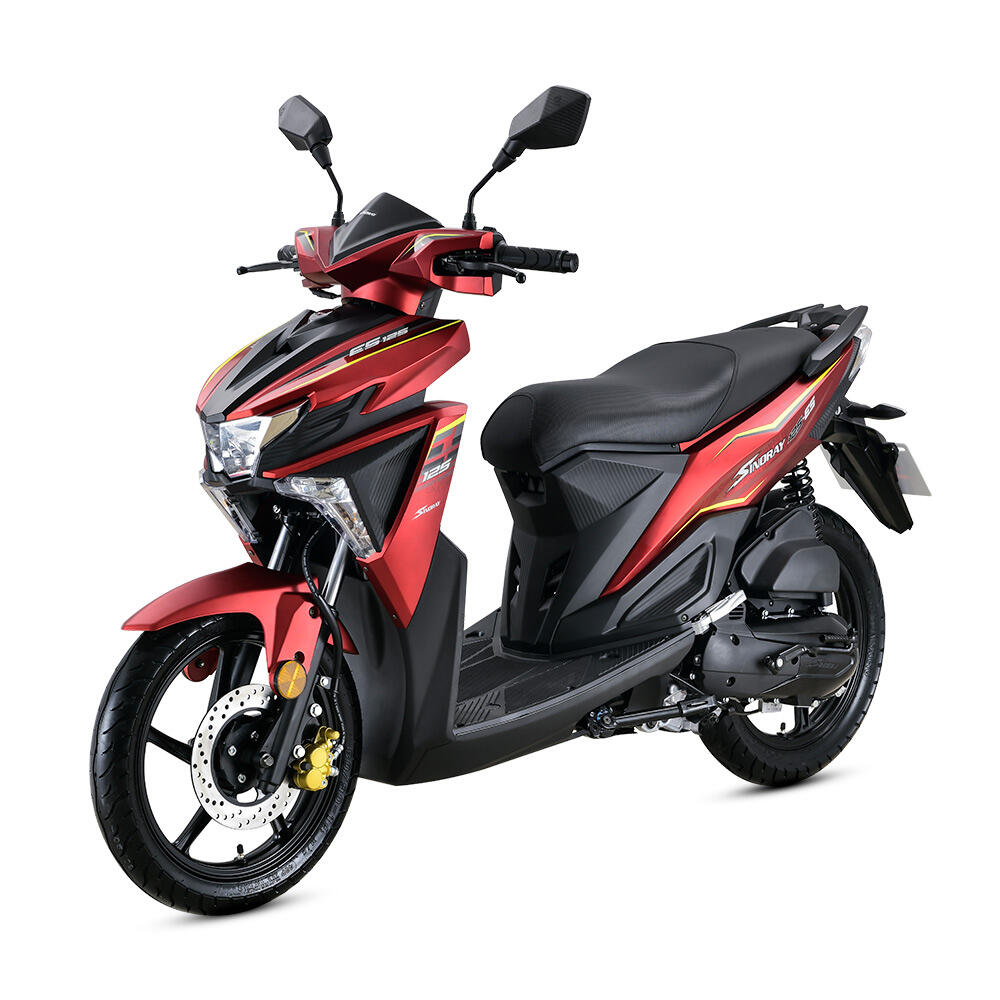
Initial Purchase and Depreciation Advantages
The upfront cost of motorcycle ownership presents a significant advantage over automobiles. A quality motorcycle typically costs a fraction of what you'd pay for a new car, with many reliable models available for under $5,000. This lower initial investment reduces the impact of depreciation, as the total value loss over time represents a smaller absolute amount compared to cars.
Additionally, motorcycles tend to hold their value better than cars when properly maintained. The robust used motorcycle market means you can often recoup a higher percentage of your initial investment when it's time to sell, making them a more financially sound transportation choice in the long run.
Fuel Economy and Operating Costs
One of the most compelling aspects of motorcycle ownership is the remarkable fuel efficiency. Most motorcycles can achieve 50-60 miles per gallon, with some models reaching even higher figures. This translates to substantial savings at the pump, especially during periods of high fuel prices. When compared to the average car's fuel economy of 25-30 mpg, the cost difference becomes particularly striking over time.
Beyond fuel savings, motorcycles typically incur lower maintenance costs. Their simpler mechanical nature means fewer parts to maintain and replace, while routine services often cost less than comparable car maintenance. Tires, though replaced more frequently, are significantly less expensive than car tires, contributing to lower overall operating costs.
Infrastructure and Urban Advantages
Parking Solutions and Space Efficiency
In urban environments where parking comes at a premium, motorcycles offer unmatched advantages in terms of space efficiency. Multiple motorcycles can fit into a single car parking space, and many cities offer dedicated motorcycle parking areas at reduced rates or even free of charge. This not only saves money on parking fees but also reduces the time spent searching for parking spots.
The compact nature of motorcycles also means they can navigate through congested areas more effectively, reducing time spent in traffic and, consequently, fuel consumption. This efficiency extends to home storage, where motorcycles require minimal garage space compared to cars.
Reduced Environmental Impact
The environmental benefits of motorcycles directly translate to cost savings through reduced emissions fees and taxes in many jurisdictions. Their smaller engines and lighter weight result in lower carbon emissions, making them an environmentally responsible choice for cost-effective transportation. As cities implement stricter emissions regulations and congestion charges, motorcycles often qualify for exemptions or reduced fees.
Furthermore, the smaller environmental footprint of motorcycles extends to their production and disposal, requiring fewer resources throughout their lifecycle. This aspect becomes increasingly important as environmental consciousness influences transportation policies and related costs.
Insurance and Legal Considerations
Insurance Cost Benefits
Insurance costs for motorcycles often prove more economical than car insurance, though rates vary based on multiple factors. The lower vehicle value typically results in reduced comprehensive coverage costs, while many insurers offer specialized motorcycle policies with competitive rates. Experienced riders with clean records can benefit from significant premium discounts, further enhancing the cost-effectiveness of motorcycle transportation.
Many insurance companies also offer layup policies during off-season months, allowing riders to maintain minimal coverage when the motorcycle isn't in use, resulting in additional savings. This flexibility in insurance options helps optimize the overall cost of motorcycle ownership.
Legal and Registration Advantages
Registration fees and taxes for motorcycles are typically lower than those for cars, contributing to reduced annual operating costs. Many regions offer simplified inspection requirements and reduced registration fees for motorcycles, recognizing their lower impact on road infrastructure. These administrative savings, while seemingly minor, add up significantly over years of ownership.
Additionally, motorcycles often qualify for special road use privileges, such as HOV lane access or reduced toll rates, offering both time and cost savings for regular commuters. Understanding and utilizing these legal advantages can further enhance the economic benefits of motorcycle transportation.
Long-term Financial Impact
Cumulative Cost Savings
When analyzing the long-term financial impact, motorcycle ownership consistently demonstrates significant cost advantages. The combination of lower purchase price, reduced fuel consumption, minimal maintenance costs, and cheaper insurance creates substantial savings over time. A careful analysis often reveals that switching to a motorcycle for primary transportation can save thousands of dollars annually.
These savings become even more pronounced when considering the opportunity cost of money saved and invested elsewhere. The reduced transportation expenses can contribute to building emergency funds, retirement savings, or other financial goals, multiplying the economic benefits of choosing motorcycle transportation.
Resale Value and Market Dynamics
The motorcycle market typically experiences less volatile price fluctuations compared to the car market, providing more predictable long-term value. Well-maintained motorcycles, especially popular models, often retain a higher percentage of their original value compared to cars. This stability in the resale market contributes to the overall cost-effectiveness of motorcycle ownership.
Furthermore, the growing interest in sustainable and economical transportation options suggests that the demand for motorcycles will remain strong, potentially supporting future resale values and making them an increasingly attractive transportation investment.
Frequently Asked Questions
How much can I really save by switching to a motorcycle?
The average rider can save between $2,000 to $4,000 annually when switching from a car to a motorcycle, considering fuel costs, insurance, maintenance, and parking fees. However, actual savings depend on factors such as riding frequency, local costs, and current vehicle expenses.
Are motorcycles really cheaper to maintain than cars?
Yes, motorcycles typically cost 40-60% less to maintain than cars due to simpler mechanics, cheaper parts, and more accessible DIY maintenance options. However, more frequent service intervals may be required, though the overall cost remains lower.
What weather conditions affect motorcycle cost-effectiveness?
While motorcycles offer optimal cost savings in fair weather, extreme conditions may require alternative transportation or additional gear investments. Many riders maximize cost-effectiveness by using their motorcycles as primary transportation during favorable seasons and maintaining alternative options for inclement weather.